Colorado Expands Air Quality Regulations in Delta
Colorado takes a significant step in addressing air toxics by expanding regulations to include five specific chemicals, aiming to protect communities like Delta from pollution.

Delta —Standing on the outskirts of Delta, the smell of asphalt and exhaust hangs heavy over the small town. The air is thick with the hum of traffic from Highway 50, a constant reminder of the industrial activities that surround this Western Slope community. Make no mistake, the air quality here is a concern — and it's not just the visible pollution that's the problem.
Colorado has taken a significant step in addressing the issue of air toxics, expanding its regulatory reach to include five specific chemicals known to cause higher rates of cancer and other diseases. The list includes benzene from refineries, ethylene oxide from sterilizers, hydrogen sulfide from asphalt and manure operations, formaldehyde from turbines and combustion engines, and hexavalent chromium from chrome-plating industries. These chemicals are not just abstract hazards — they have real-world impacts on the health and wellbeing of people living in communities like Delta.
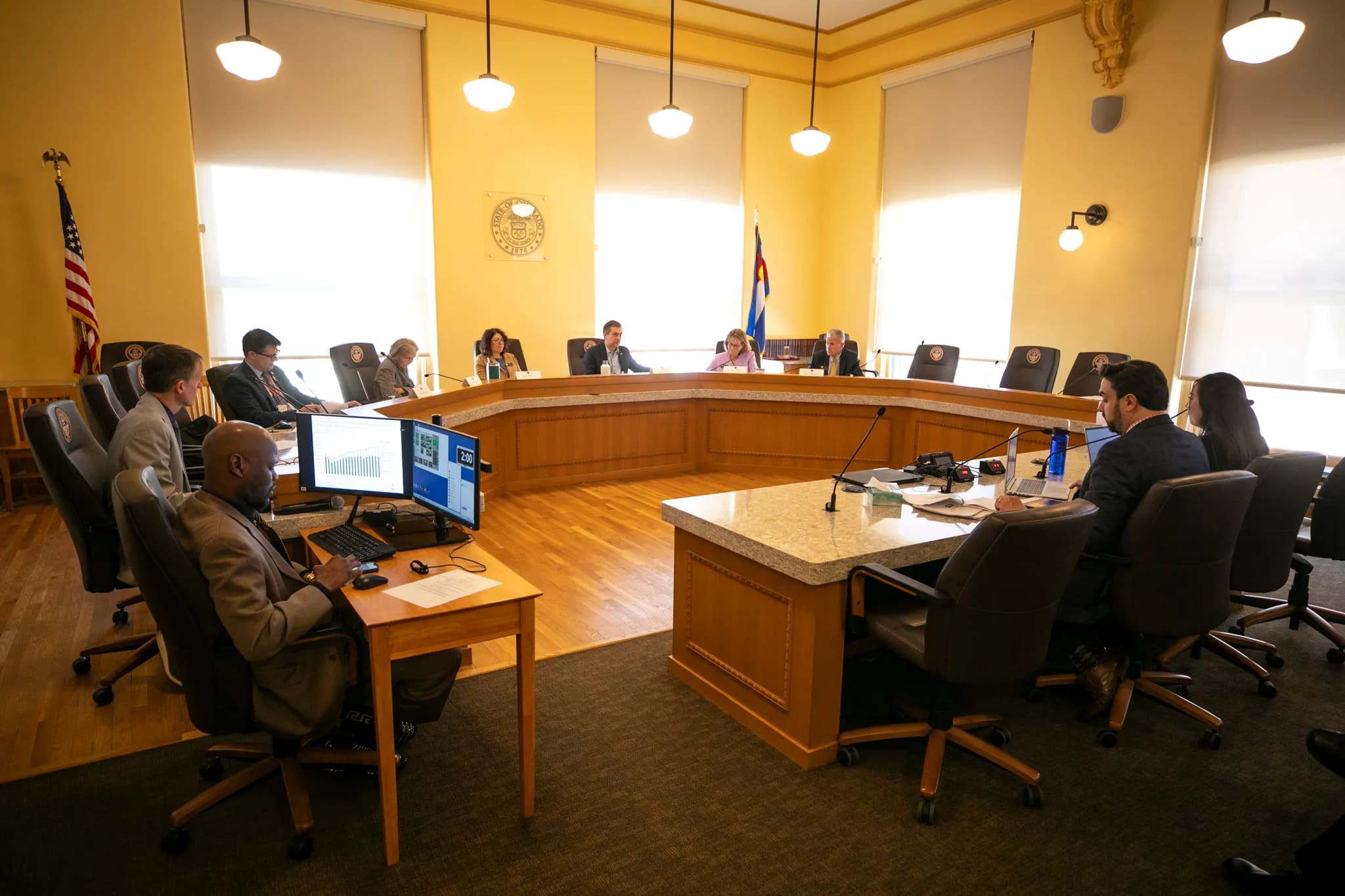
The Air Quality Control Commission's recent vote to pass the final rules for regulating these air toxics marks a new frontier in the state's air quality fight. This move is part of a broader effort to address the disproportionate impact of pollution on low-income and minority neighborhoods. According to the American Lung Association, Latino people are nearly three times more likely than white people to live in areas with the most harmful air, and Black and Latino communities are more likely to face the worst pollution overall.
Michael Ogletree, director of the Air Pollution Control Division, calls the new rules "a monumental step" in protecting communities from air toxics. The division will now be able to monitor emissions and require new equipment and processes for industries handling these chemicals. This is a significant development, but enforcement will be crucial, advocates who have been pushing for these regulations for years will be keeping a close eye on the state's actions.
The impact of air pollution on Western Slope communities cannot be overstated. The region's geography, with its valleys and basins, can trap pollutants and exacerbate their effects. In Delta County, for example, the annual budget for road maintenance is around $1 million, a fraction of what it would cost to implement and enforce strict regulations to reduce harmful emissions. However, the long-term health costs of inaction far outweigh the short-term expenses of compliance.
As the state moves forward with these new regulations, balancing the needs of industries with the need to protect public health will be a delicate task. The state must ensure that these regulations are enforced effectively, and that communities like Delta are protected from the harmful effects of pollution. Read that again; the health and wellbeing of Western Slope residents depend on it.
The short version is this: Colorado is taking a significant step towards addressing air toxics, but the real work is just beginning. The state must now ensure that these regulations are effective, and that the health risks associated with pollution in places like Delta begin to decrease. What happens next will determine whether Colorado's efforts to cut air pollutants will be enough to make a real difference in the lives of its citizens.
Keep up with Delta
The day's Western Slope news, one email each morning. Free.