Colorado Explores Basic Income Programs Amid Affordability Crisis
As the affordability crisis deepens in Colorado, basic income programs are gaining attention as a potential solution to address financial insecurity and provide a safety net for families.
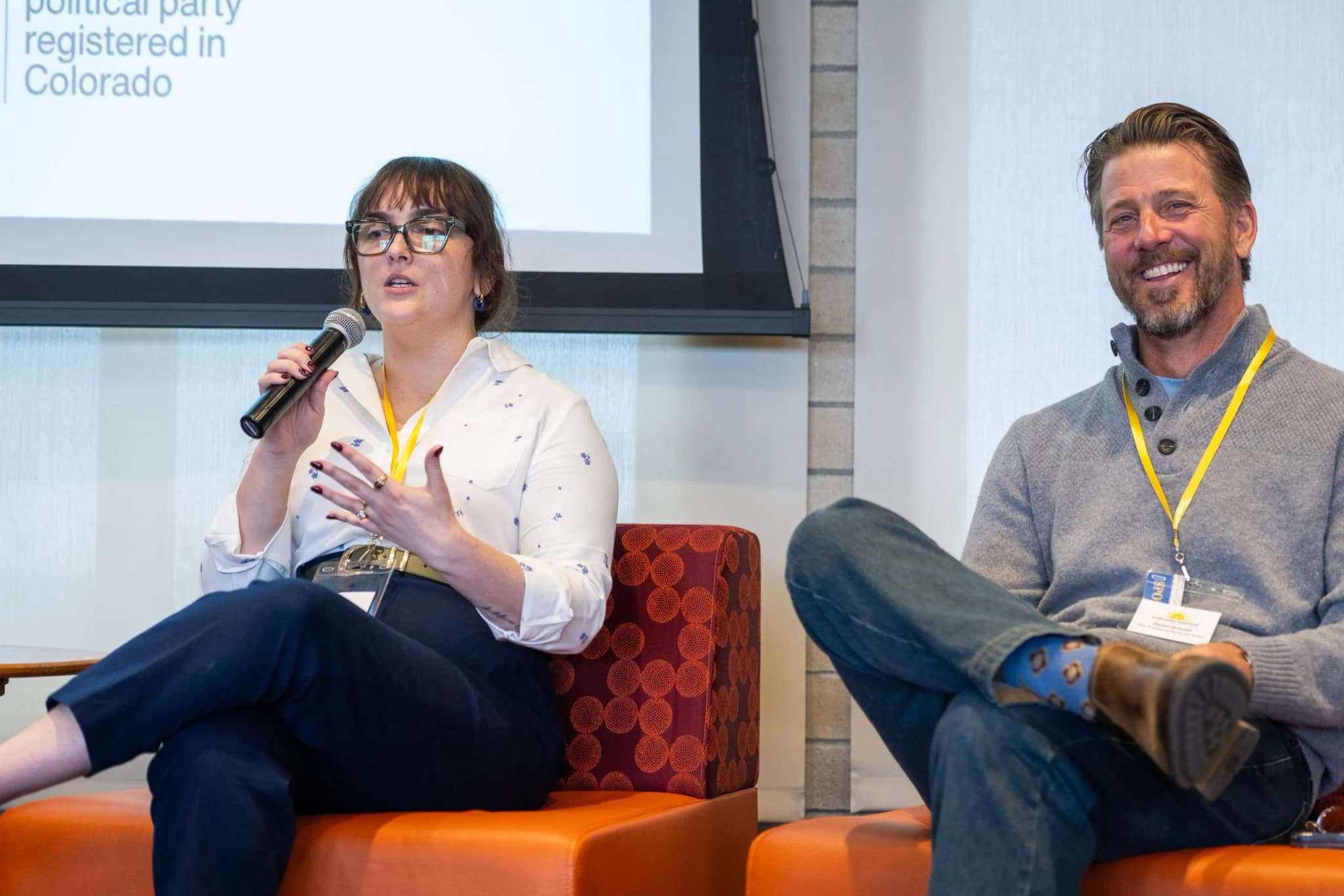
Colorado —On a crisp spring morning in Grand Junction, the sounds of construction and traffic fill the air as locals head to work, navigating the increasingly expensive landscape of western Colorado. The expense of housing, healthcare, and food prices puts a strain on many families. However, basic income programs have gained popularity, despite the steep challenges they face in terms of funding and implementation.
As Kaitlyn Sims, an assistant professor of public policy at the University of Denver, puts it, "In a world of finite budgets, we need to figure out what works and move away from what doesn’t." Sims spoke during the Basic Income Programs in Denver and Beyond panel at Colorado SunFest 2026, highlighting the need for effective solutions to address the growing concerns around affordability. Over 90% of voters in the Colorado Polling Institute's April statewide poll identified the expense of basic necessities as significant problems, with data showing a strong correlation between these concerns and the appeal of basic income programs.
Basic income programs, which provide periodic, unconditional cash payments to community members, have been gaining traction since the COVID-19 pandemic. There are now over 80 pilot programs active or planned across the country, with more than 75,000 participants receiving cash assistance. The idea behind these programs is to provide stability in the workforce by helping individuals afford basic needs like childcare, housing, and food, ultimately leading to better overall health and reduced financial stress.
While basic income programs are not new, they have evolved over time. In the 1970s, former President Richard Nixon proposed a national basic income program to replace federal spending on social services. Today, programs like the Family Affordability Tax Credit in Colorado, which pays qualifying households up to $3,200 per child under age 6, and the Alaska Permanent Fund, which distributes annual dividends from oil sales to state residents, offer examples of basic income-esque initiatives already in place.
However, the current budget gaps in cities across Colorado pose significant challenges to implementing and sustaining these programs. The recent $46.8 billion spending package approved by the Colorado legislature includes deep cuts to Medicaid and other state services to cover a $1.5 billion budget shortfall. Cities like Denver, Boulder, and Colorado Springs have also had to reduce services and programs to address their own budget shortfalls. This lack of municipal support could stifle the growth of basic income programs, despite their potential benefits.
The question is whether these programs can be effectively implemented and funded in the face of such budget constraints. Sims notes that figuring out what works and allocating resources accordingly is key. The community seems to be on board, with many voters recognizing the need for innovative solutions to address rising expenses and financial insecurity. But as the situation continues to unfold, the popularity of basic income programs in Colorado remains strong, driven by the desire for new approaches to addressing old problems.
In the midst of these challenges, providing a safety net and helping individuals meet their basic needs can have a profound effect on families and communities. By doing so, these initiatives can help alleviate some of the pressure on households struggling to make ends meet, given the high prices of essential goods and services in western Colorado.
As Kaitlyn Sims said, "In a world of finite budgets, we need to figure out what works and move away from what doesn’t." This sentiment echoes the concerns of many locals, who are looking for effective solutions to the growing affordability crisis in their region. The future of basic income programs in the state will depend on finding a way to balance the benefits of these initiatives with the harsh realities of budget constraints.
Keep up with Colorado
The day's Western Slope news, one email each morning. Free.
Federal Report Sets 200,000 Acre-Foot Water Conservation Target for Upper Basin
Colorado Parks and Wildlife Deploys Precision Drones for Weed Control