Colorado Explores Geothermal Energy Opportunities
Colorado is poised to tap into geothermal energy, with a new bill aiming to reduce barriers and encourage development. The state seeks to reach 100% renewable energy by 2040.
Colorado —As Democratic Sen. Matt Ball of Denver sees it, Colorado is uniquely positioned to tap into a massive, untapped energy resource: geothermal heat. "Colorado is set up really well for geothermal energy," he said, citing the state's history of fossil fuel production and the fact that geothermal energy often lives alongside oil and gas reserves. This existing infrastructure gives the state a head start on growing the geothermal industry.
The question is whether the state can overcome the barriers that have held back geothermal development so far. Ball's Senate Bill 142, which recently passed the Senate Transportation and Energy Committee on a 5-2 vote, aims to do just that. The bill seeks to reduce red tape, encourage new projects, and make geological data publicly available. As Ball puts it, "We think this is an innovative and exciting place for Colorado to invest in to achieve all of our emissions goals in the next several years."
Geothermal energy is a promising source of renewable energy, producing affordable, reliable, and carbon-free power. However, the industry is still in its early stages in Colorado. The state has set a goal of reaching 100% renewable energy by 2040, and backers of the bill say that expanding geothermal energy is crucial to meeting this target. The numbers back that up: according to the bill's supporters, geothermal energy could play a significant role in helping the state reduce its carbon emissions.
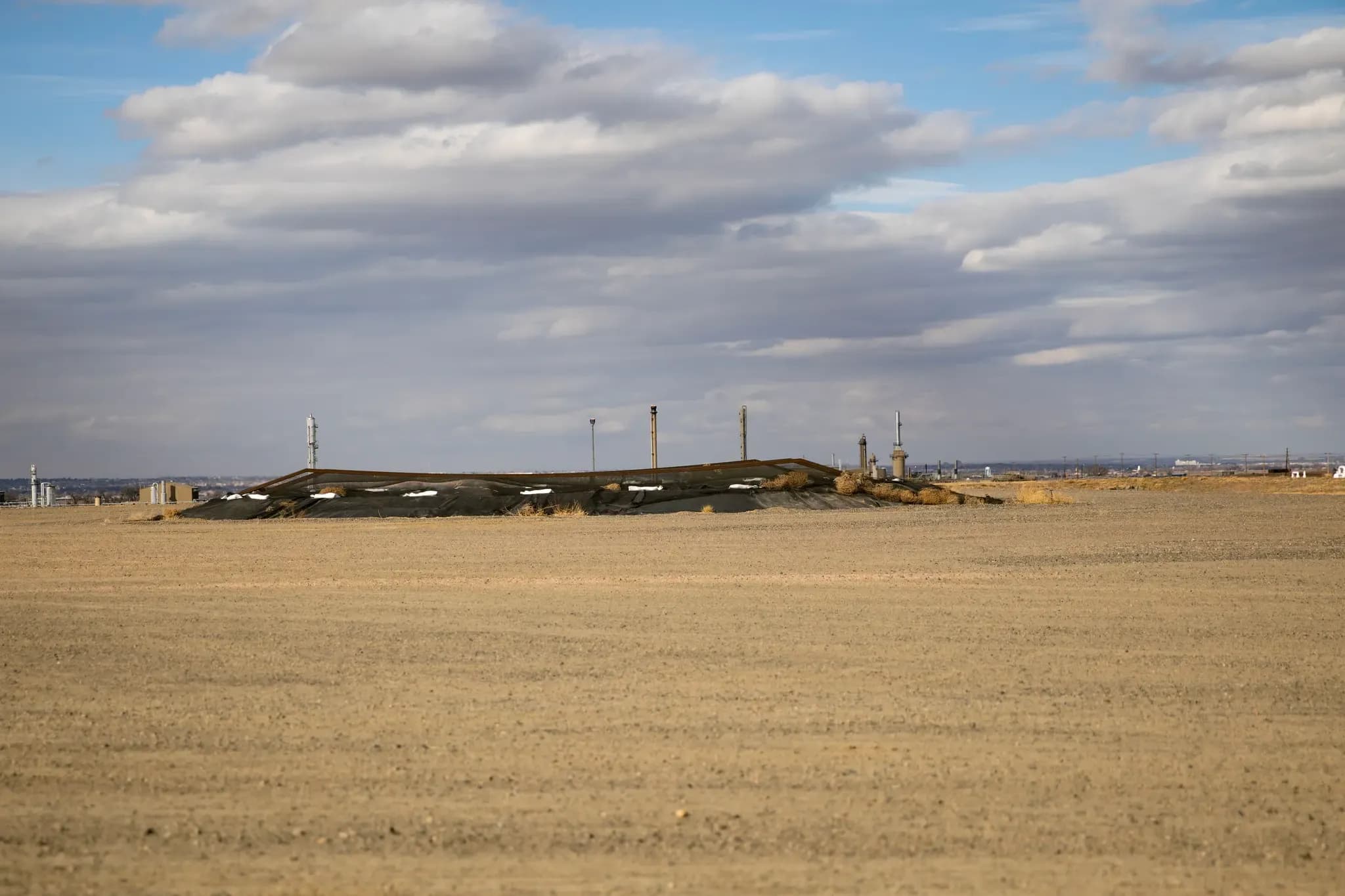
One of the key provisions of the bill is the use of abandoned fossil fuel sites to collect data on deep underground temperatures. There are over 900 orphaned wells in the state, which are disused oil and gas wells with no identifiable owner. These wells are not only a financial burden for the state, but they also represent a potential source of geothermal data. By mining these wells for data, the state could create a new trove of publicly available information that could help guide future geothermal projects. As Ball explained, "We can get some of that data out and then make that available to the industry to make more educated decisions on where they can bring future geothermal projects."
The bill also aims to encourage the development of thermal energy networks, which are systems of underground pipes that can provide heating and cooling to multiple buildings. These networks are relatively shallow and can be used to harness stable underground temperatures. However, municipalities have faced significant barriers in building these networks, including red tape and lack of access to geological data. The bill seeks to address these barriers and make it easier for municipalities to develop thermal energy networks.
While the bill has garnered significant support, including from utilities like Xcel Energy, there are still challenges ahead. The development of geothermal energy is complex and costly, and scaling up the industry will require significant investment and innovation. As the state moves forward with its renewable energy goals, the success of this initiative will depend on its ability to overcome these hurdles. As Ball said, "This is an important step forward for Colorado, and we're excited to see where it takes us."
For folks around here, the development of geothermal energy could have significant implications. Not only could it help reduce the state's carbon emissions, but it could also create new economic opportunities and jobs. As the industry grows, it will be important to ensure that the benefits are shared equitably and that the state is able to balance its economic and environmental goals. As Ball looks to the future, he said, "We think this is a critical investment for Colorado, and we're excited to see where it takes us."
Keep up with Colorado
The day's Western Slope news, one email each morning. Free.

Federal Report Sets 200,000 Acre-Foot Water Conservation Target for Upper Basin
Colorado Parks and Wildlife Deploys Precision Drones for Weed Control