Colorado Faces $1.5 Billion Budget Gap Amid Rising Costs
Colorado's $1.5 billion budget gap poses challenges for state legislator Dylan Roberts, as the state navigates rising costs, limited resources, and the TABOR cap.
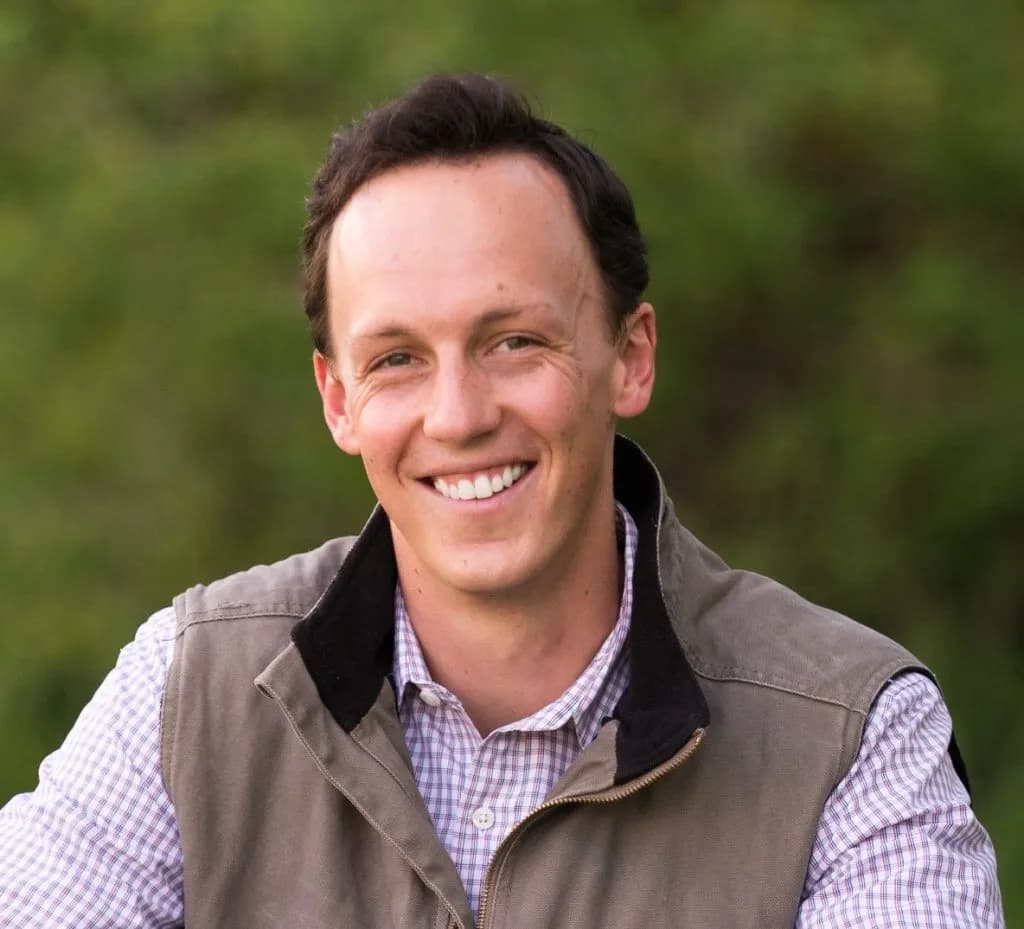
Steamboat Springs —$1.5 billion - that's the gap Colorado faced in its state budget due to rising costs outpacing inflation, a number that set the tone for a difficult budgeting process. For context, that's roughly what the state spends on transportation and public health services combined. Dylan Roberts, a state legislator, recently discussed the challenges of creating a balanced budget, a constitutional requirement in Colorado.
Roberts noted that about 75% of the general fund goes towards education, prisons, and Medicaid, leaving limited resources for other essential services. This year's budget process was particularly tough, with pressures coming from multiple directions. The TABOR cap, which limits state budget growth based on population growth and inflation, played a significant role. When actual costs, such as healthcare, exceed inflation, the gap must be filled.
In addition to the TABOR cap, the reduction in federal Medicaid funding due to H.R. 1, passed by Republicans in Congress, added to the challenge. This decrease in funding affected hundreds of thousands of Coloradans, including seniors, people with disabilities, and working families, particularly in rural areas. The state had to make difficult choices to fill the gap or absorb the loss. On paper, the budget looks balanced, but in practice, it required some tough decisions. Roberts emphasized that protecting K-12 education funding was a top priority, and cutting education was never an option. The Kids Matter Fund, created last year, is expected to invest an additional $216 million in Colorado schools next year. Furthermore, funding for preschool access for all Colorado four-year-olds was increased by $14 million.
Let's do the math - $216 million is a significant investment, but when you consider that about 75% of the general fund goes towards education, prisons, and Medicaid, it's clear that resources are still limited. Budget decisions will have a direct impact on the community, and the effects of these choices will become apparent as the budget is implemented.
For locals, the practical impact of this budget is that essential services like education and healthcare are preserved, but other areas may have been trimmed or cut. In rural areas like ours, where services are already limited, this could have a significant effect.
Roberts' statement that the budget is "difficult yet balanced" is telling. It acknowledges the challenges faced during the budgeting process while also highlighting the importance of meeting the constitutional obligation to pass a balanced budget. As folks around here know, a balanced budget doesn't always mean that everyone gets what they want, but it does ensure that financial obligations are met.
The fact that the budget received bipartisan support is also noteworthy. In a time of increasing partisanship, it's rare to see both sides come together on a difficult issue like the state budget. However, the reality is that the budget is just the starting point. Implementation will require careful management of resources and tough decisions that will impact people's lives.
In the end, the budget is just a document - it's the real-world implications that matter. For people in the valley, the question is not just about the budget itself, but about how it will affect their daily lives, their access to services, and their ability to make ends meet. The answer to that question will only become clear over time.
Keep up with Steamboat Springs
The day's Western Slope news, one email each morning. Free.