Colorado Governor Signs 3D-Printed Gun Ban into Law
Governor Jared Polis signed House Bill 1144, making it a Class 1 misdemeanor to manufacture 3D-printed firearms in Colorado, targeting the rise of untraceable 'ghost guns.'
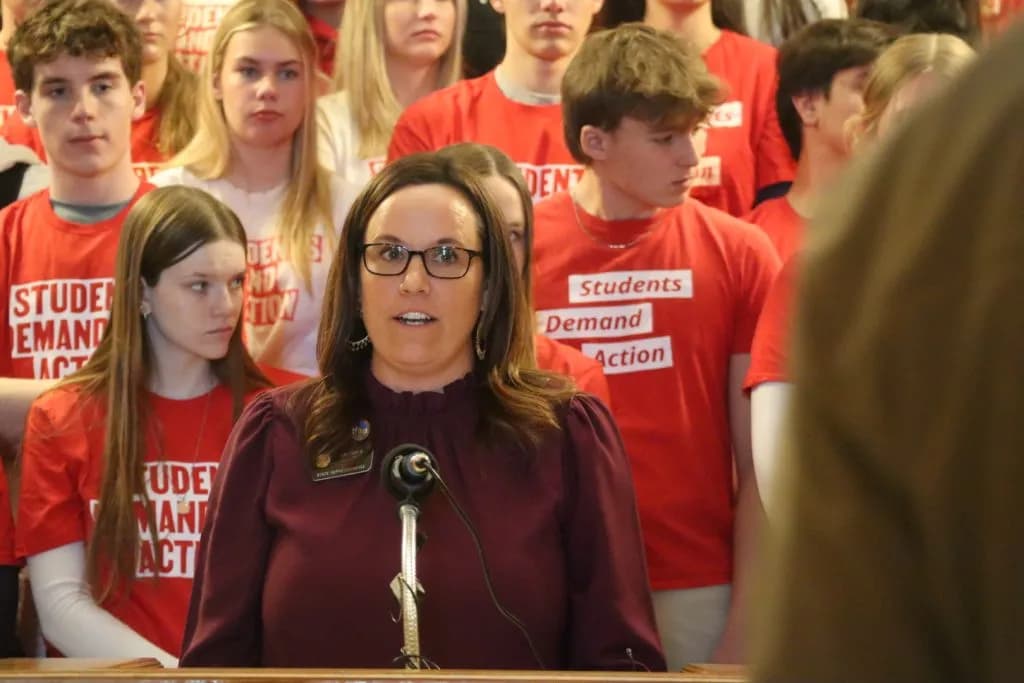
Aspen —“3D-printed guns and gun components are an increasing threat in our communities because they lack identification that law enforcement can use to track the weapon back to a suspect.”
That’s Rep. Lindsay Gilchrist, D-Denver, laying out the case for why Colorado just made it a crime to turn a plastic filament into a lethal weapon. The governor signed House Bill 1144 on Monday, May 4, and the clock is ticking. By July 1, if you’re printing your own firearm or major components at home using a 3D printer, you’re looking at a Class 1 misdemeanor for the first time. Do it repeatedly, and it bumps up to a Class 5 felony. That’s jail time. That’s prison time.
Here’s the thing though: this isn’t just about hobbyists with high-end printers. It’s about what the Bureau of Alcohol, Tobacco, Firearms and Explosives calls “ghost guns.” These are privately manufactured firearms that lack serial numbers, making them nearly invisible to law enforcement until they’re fired at your head. The data paints a stark picture. In 2017, federal agents recovered just 1,629 of these untraceable weapons at crime scenes. By 2023? That number exploded to 27,490. That’s a jump of over sixteen times in just six years.
The bill targets the manufacturing aspect specifically. It exempts federally licensed firearm manufacturers and certified gunsmithing programs, so you aren’t suddenly illegal if you’re a pro. But for the average neighbor printing a lower receiver in their garage, the legal landscape has shifted. It builds on a 2023 law that already banned the sale and possession of guns without serial numbers. Now, the act of creation itself is criminalized.
Picture this: you’re in Delta, or maybe Grand Junction, or even just up in Aspen. You buy a 3D printer, download a blueprint from the internet, and start layering plastic. You’ve got yourself a functional gun. Under the new law, that’s a misdemeanor. If you get caught doing it again, it’s a felony.
Republicans didn’t just nod along. They uniformly opposed the measure, arguing it infringed on gun rights. Rep. Zamora Wilson, R-Colorado Springs, called the bill “highly vulnerable to constitutional challenge,” particularly regarding the Second Amendment. And they have a point. The bill originally included a ban on selling the digital instructions themselves — the blueprints. Critics warned that banning the instructions was different from banning the gun, potentially violating free speech rights under the First Amendment. Governor Jared Polis pushed back on that specific provision. Lawmakers cut it to avoid a veto, leaving us with a ban on the physical object, but not necessarily the right to print the manual.
This move comes as the political temperature rises elsewhere in the state. The Trump administration is currently suing to overturn Colorado’s 2013 large-capacity magazine ban, a law passed after the Aurora theater shooting. The U.S. Department of Justice argues that ban is too broad, covering standard magazines on common rifles like the AR-15. It’s a two-front war for Colorado’s gun control advocates: defending existing laws while adding new ones like this 3D-printing ban.
Rep. Andrew Boesenecker, D-Fort Collins, and Senators Tom Sullivan and Katie Wallace also sponsored the bill, showing a broad coalition behind the crackdown. They argue that without serial numbers, the usual guardrails — background checks, waiting periods, get undermined. The weapon becomes a ghost.
Not exactly a new concept, but the technology making it possible is. And now, the state is betting that making it a crime to create these ghosts will help track them down. Or at least, that’s the hope. The law takes effect in July, giving locals a few months to decide if they want to keep their printers on or turn them off.
Keep up with Aspen
The day's Western Slope news, one email each morning. Free.