Colorado Governors Face Wolf Crisis and Rural-Urban Rift
The next Colorado governor inherits a shrinking gray wolf population and a deepening rural-urban political rift, with candidates addressing the paused wolf reintroduction program and Initiative 302.
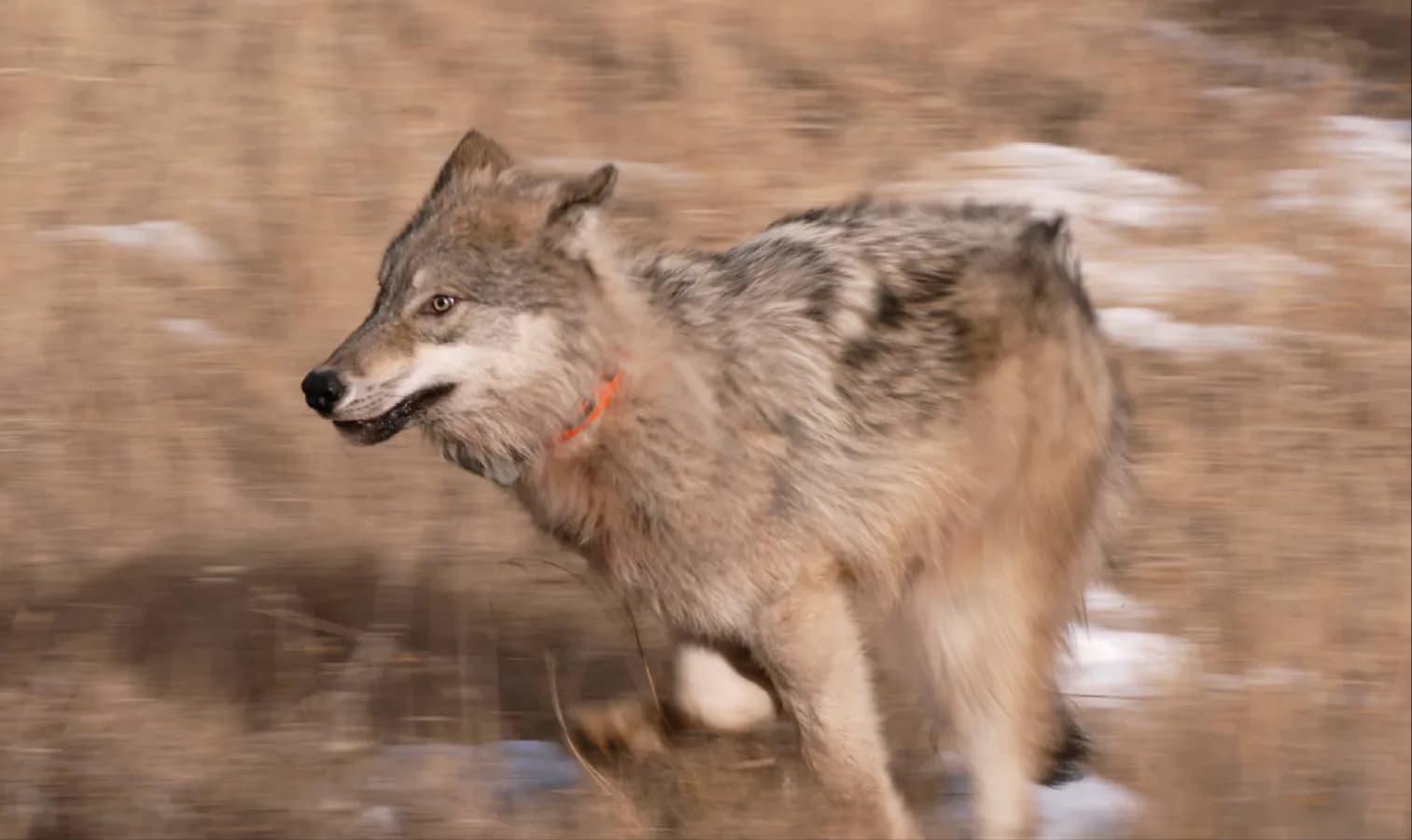
Colorado —Colorado’s next governor will inherit a state where the gray wolf population is shrinking, rural voters are demanding a constitutional right to hunt, and the line between urban and rural politics is hardening into a permanent rift.
That’s the landscape facing the five candidates currently vying to replace term-limited Gov. Jared Polis. The winners of Tuesday’s primary will head into the November general election with a clear mandate to manage a resource crisis that has become a political lightning rod.
"The rural, wildlife and outdoor recreational issues facing the next governor of Colorado are significant," the Colorado Sun reported, noting that at least one species sits at a "critical juncture with an uncertain future."
The specific problem is straightforward: the state’s voter-mandated wolf reintroduction program is paused. Clashes with ranchers are escalating. Meanwhile, the gray wolf population has dwindled to levels that state wildlife officials say are no longer self-sustaining.
The next governor won’t just be managing animals. They will appoint the members of the Colorado Parks and Wildlife Commission. That commission has been roiled by political fights, with voters perceiving that the priorities of traditional hunters and fishers are being displaced by commissioners who believe preserving the broader environment trumps everything else.
"The next governor will appoint members to the Colorado Parks and Wildlife Commission, which has been roiled by political fights and perceptions that the priorities of hunters and fishers are being replaced by commissioners who believe preserving the environment and wildlife trumps everything else," the report noted.
This administrative tug-of-war has fueled a growing divide between rural and urban Coloradans. It has widened to the point where the hunting and fishing community is no longer satisfied with legislative tweaks. They are seeking to etch a fundamental right to hunt, fish, and harvest wildlife directly into the Colorado Constitution via Initiative 302.
The Colorado Sun surveyed five candidates on these exact issues: Democrats U.S. Sen. Michael Bennet and Attorney General Phil Weiser, and Republicans state Rep. Scott Bottoms, state Sen. Barbara Kirkmeyer, and former U.S. Marine Victor Marx.
Their answers reveal a party split down the middle, not just by ideology, but by geography.
On the question of whether natural resource management is moving in the right direction, the candidates didn’t offer a simple yes or no. Bennet, for instance, pointed to the sheer scale of the challenge. "Bennet said Colorado has enormous natural resource challenges ahead," the report noted, framing the issue as one of magnitude rather than direction.
But the wolf question cut deeper. Voters mandated reintroduction. The reality on the ground says otherwise. The program is paused. The population is dropping. The next governor must decide whether to push for restoration or accept the current stagnation.
And then there’s the rural-urban split. Is it causing politicians to make decisions based too much on party politics? The candidates acknowledged the rift. The remedy, they suggested, lies in how they appoint commissioners and whether they support the constitutional amendment that would lock hunting and fishing rights into the state’s highest legal document.
The data supports this view. The wolf population isn't just fluctuating; it's at a critical juncture. The political divide isn't just a polling error; it's a structural shift in how Coloradans view their own land.
The winners of Tuesday’s primary will face each other on Nov. 3. But the real test starts the moment they take office. They will need to bridge a divide that has widened to the point where "members of the hunting and fishing community are seeking to etch a fundamental right to hunt, fish and harvest wildlife in the Colorado Constitution."
The outcome remains uncertain. Whether the next governor can manage the wolves, the commissioners, and the voters simultaneously is the question. Or if the rural-urban divide becomes the defining feature of Colorado’s political future.
Keep up with Colorado
The day's Western Slope news, one email each morning. Free.

Aspen Housing Authority Seeks $590K Office Upgrade Amid Cramped Conditions

Vail Secures Water Rights for 37-Unit Montelisse Condo Project
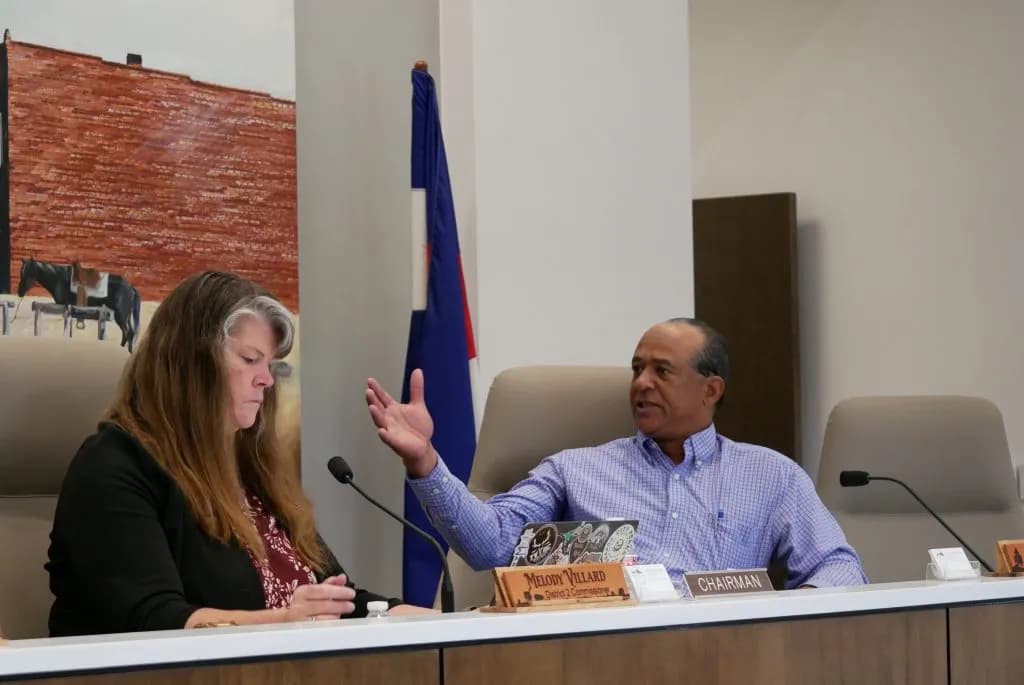
Moffat County Commissioners Weigh Data Center Moratorium Amid Transparency Claims
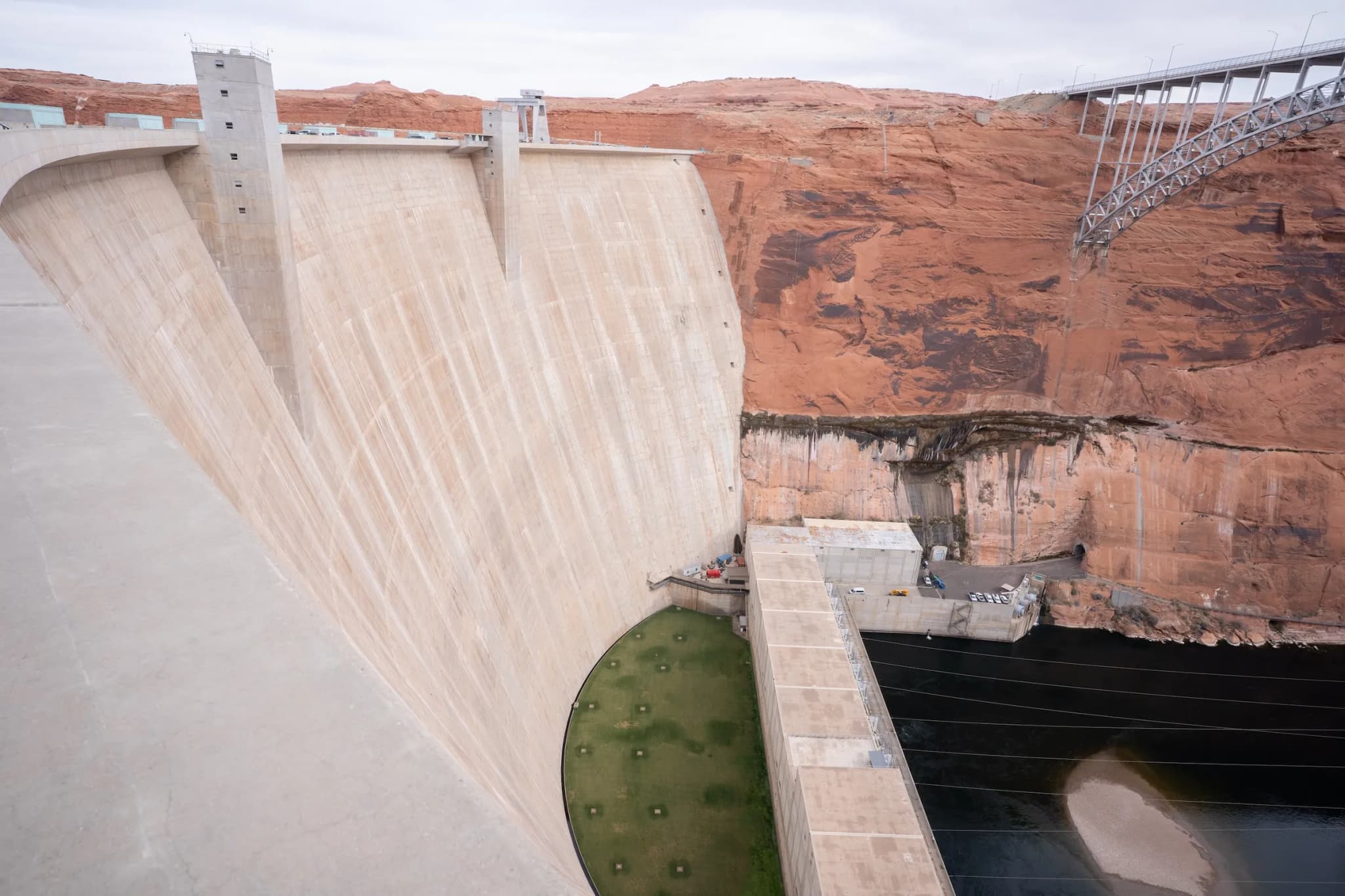
Federal Report Sets 200,000 Acre-Foot Water Conservation Target for Upper Basin

Colorado Parks and Wildlife Deploys Precision Drones for Weed Control