Colorado Health Officials Confirm Hantavirus Outbreak Is Local, Not Global
Colorado health officials clarify that the local hantavirus threat comes from deer mice, not the global cruise ship outbreak, urging residents to focus on rodent control.
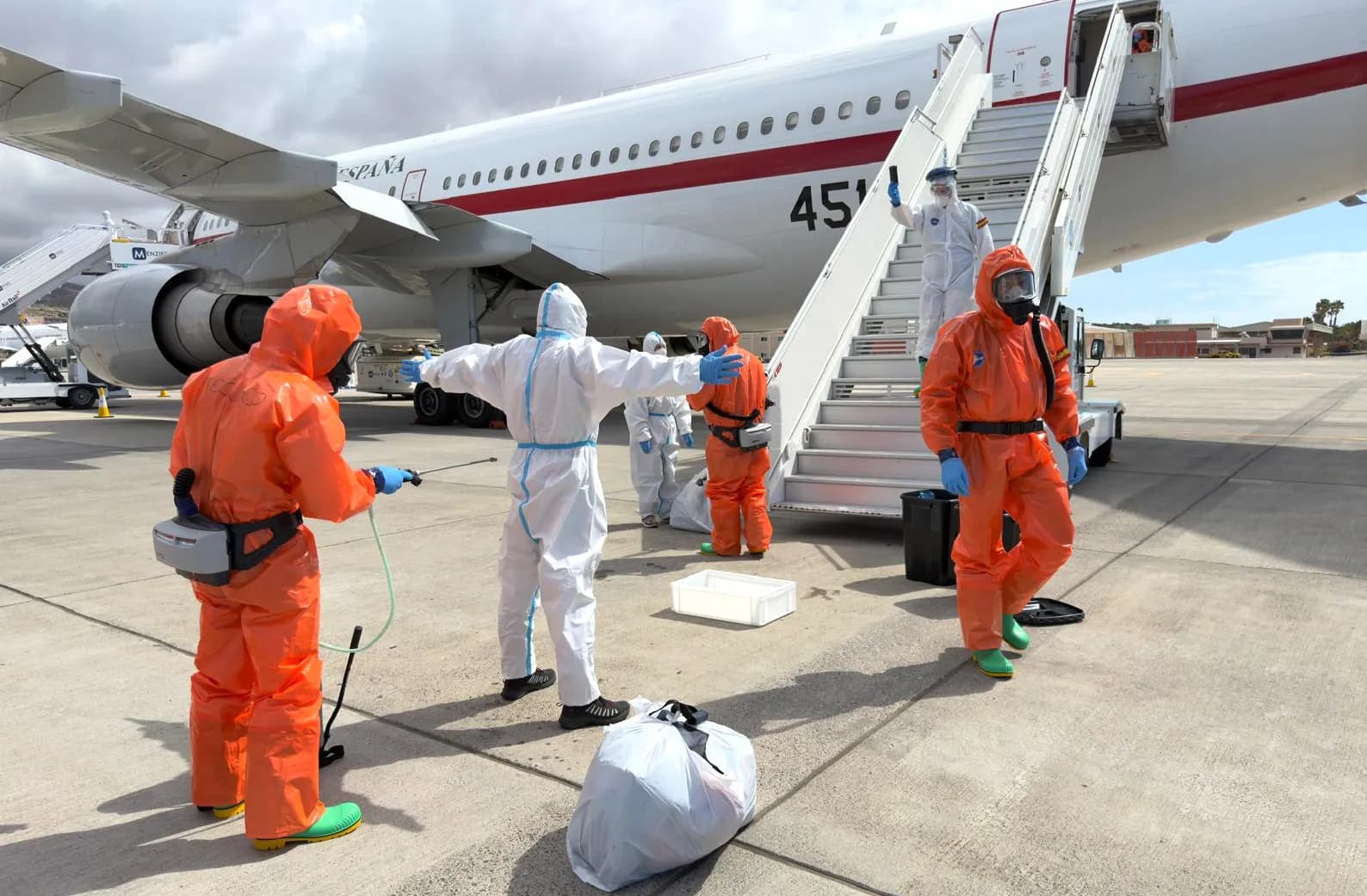
Colorado —Colorado health officials aren’t expecting anyone from the MV Hondius cruise ship outbreak to land in our backyard.
Not yet.
The ship’s passengers are currently sitting in quarantine units in Nebraska and Georgia. The British military just air-dropped medics into a remote settlement after one of those passengers tested positive. It’s a global spectacle. But here on the Western Slope, the message from the Colorado Department of Public Health and Environment is simple: We are not impacted.
“Colorado is not impacted by the hantavirus outbreak at this time,” spokesperson Hope Shuler wrote in an email.
That’s a relief. But it’s also a reminder that we are living through peak hantavirus season. Spring and summer are when the mice get busy. And we are a hot spot for the disease.
The confusion stems from the fact that hantavirus isn’t a single villain. It’s a family. And the version striking the cruise ship is different from the one we share with our local deer mice.
The MV Hondius is carrying the Andes version. It’s found in South America. It can jump from person to person. That’s what makes the current outbreak scary for epidemiologists.
Colorado has Sin Nombre. It’s the dominant strain here. And as far as we know, it does not travel person-to-person. It stays in the rodents. It jumps to us when we breathe in their dust.
So, while folks in Nebraska are worrying about catching it from a neighbor, folks in Delta County are worrying about cleaning out their garages.
The risk is real. It’s just different.
Colorado has seen the second-most cases in the United States since 1993. That’s according to the Centers for Disease Control and Prevention. There have been 37 known cases since 2016. Nine people died. That’s a 24 percent mortality rate. It’s not a cold.
The 1993 cluster in the Four Corners region was a wake-up call. An El Niño winter. A boom in spring vegetation. The deer mouse population exploded. Then the cases followed.
People think of hantavirus as a Southwest desert disease. A ghost story told in arid valleys. That’s wrong. The risk is spread out across the state. A map of cases shows no safe zone.
The CDC data doesn’t lie. We are a high-risk state. The virus is here. It’s always been here.
The current cruise ship outbreak is a distraction. It’s a rare event where the virus changed its behavior. But it doesn’t change the rules for us. We don’t need to fear catching it from each other. We need to fear the mouse in the attic.
The short version: The Andes virus is the one spreading on the ship. Sin Nombre is the one in our woods. They are cousins, not twins.
Don’t let the news cycle make you paranoid. Just keep the mice out.
The ship’s passengers are isolated. The British military is scrambling. But here, the threat is quiet. It’s in the droppings. It’s in the urine. It’s in the dust you kick up when you’re cleaning out a shed you haven’t touched since last fall.
That’s the reality. Not a cruise ship. Not a global pandemic. Just a mouse, a sneeze, and a breath of air.
Keep up with Colorado
The day's Western Slope news, one email each morning. Free.


Federal Report Sets 200,000 Acre-Foot Water Conservation Target for Upper Basin
Colorado Parks and Wildlife Deploys Precision Drones for Weed Control