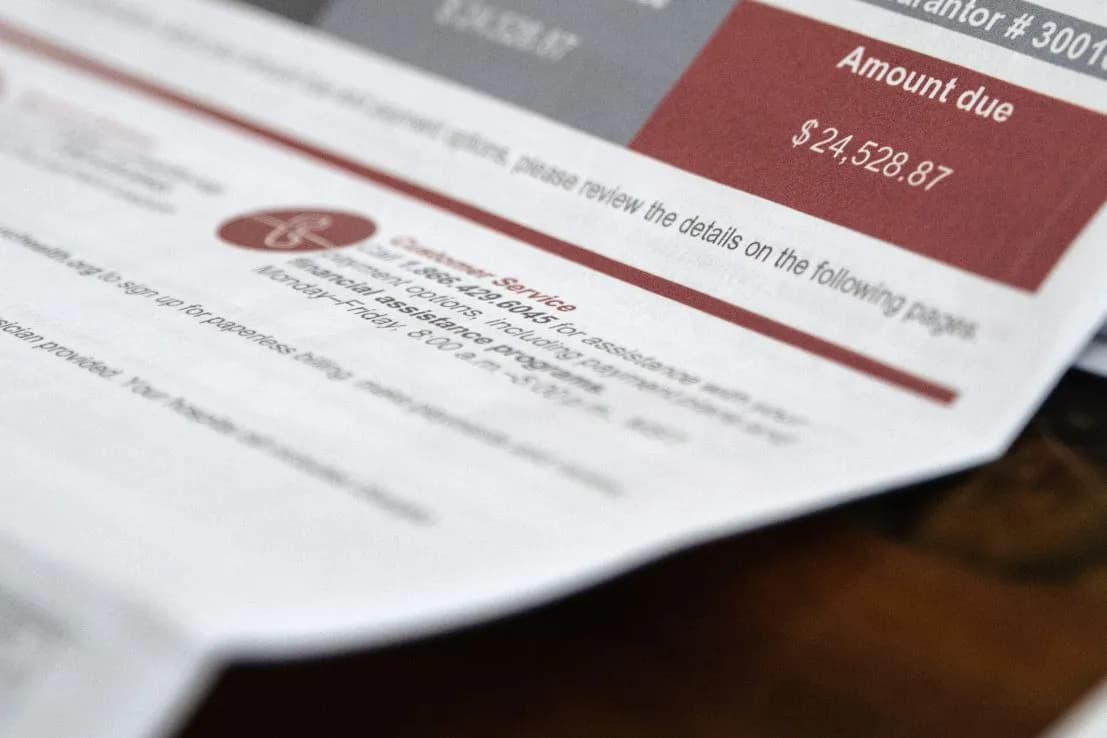
Colorado Voters Decide If State Keeps Billions in TABOR Refunds for K-12 Schools
Colorado voters will decide in November whether to let the state retain billions in surplus revenue instead of issuing TABOR refunds, directing the funds to increase K-12 education spending by up to $4.6 billion annually.
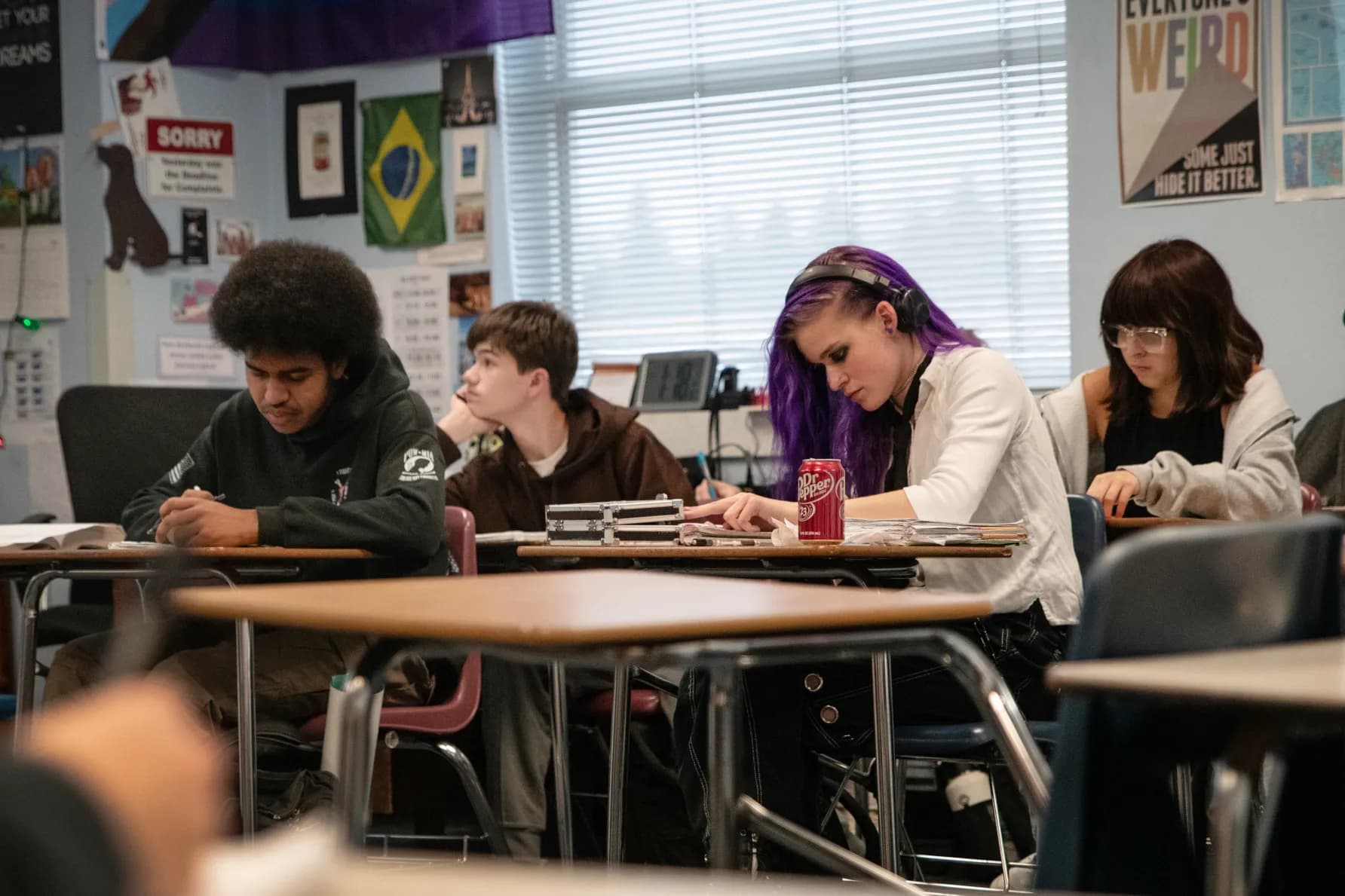
Colorado —Jennifer Long sits in a classroom at Highlands Ranch High School, watching sophomore students wrestle with pronouns and antecedents. It’s a quiet Tuesday in December, the kind of day that feels normal until you look at the ledger. The state of Colorado is asking neighbors to trade their Taxpayer’s Bill of Rights (TABOR) refunds for a promise: more money for K-12 education.
Here’s the thing though. That promise comes with a price tag that grows every year.
Voters will decide in November whether to let the state keep billions in surplus revenue that currently gets mailed back to residents. The mechanism is Senate Bill 135, which Democrats in the legislature gave final approval to early this Tuesday. If approved, the state’s annual spending cap would rise by an amount equal to the highest single year of K-12 spending. Right now, that figure sits at roughly $4.6 billion. It’s expected to climb.
Picture this: you’re expecting a check from the state because inflation and population growth didn’t quite eat up the tax revenue collected. Under the current system, that extra cash goes back to you. Under this new measure, the state keeps it. And it doesn’t just sit in a vault. It flows directly into school budgets.
The first slice of that pie is non-negotiable. At least 2% of the retained surplus must go to K-12 education spending. In the first year, that translates to about $107.4 million. That money is earmarked for specific, tangible things: increasing teacher pay, reducing turnover, limiting class sizes, and preparing students for the workforce. It sounds good on paper. It sounds like a solution to the chronic underfunding that has plagued Western Slope schools for decades.
But the rest of the money? That’s where it gets interesting. Once that initial 2% boost is secured, the leftover funds are split between K-12 education and other programs benefiting kids. Think early childhood initiatives. Think preschool access. Think childcare. The measure mandates that at least half of all annual surplus goes to K-12 schools. So, if the state keeps $500 million in a given year, and the 2% increase costs $100 million, another $150 million goes to school districts. The remaining $250 million? It goes to those early childhood programs.
This isn’t a blank check. It’s a structured redistribution of wealth from the state treasury to the classroom. And it’s happening fast. The governor’s office expects to exceed the existing TABOR cap by about $711 million in the current fiscal year, followed by $516 million the next. Some of that surplus is already baked into the budget.
Not exactly a trickle. A flood.
Locals need to understand what they’re signing up for. This isn’t just about a one-time boost. The 2% increase is calculated based on the state’s K-12 spending in the 2034-35 fiscal year. That means the baseline for future increases is set by how much we spend today. If we spend more now, the future increases get bigger. It’s a compounding interest rate on education funding, paid for by the surrender of your refund check.
The debate isn’t just about money. It’s about control. Who decides how that extra $107.4 million is spent? The state legislature, mostly. And while the bill specifies teacher pay and class sizes, it doesn’t guarantee that every dollar will find its way into a Delta County classroom. It might end up in a state agency office. It might land in a preschool in Denver.
Still, the allure is strong. Teacher turnover is a crisis. Classrooms are crowded. The workforce needs skills that current curricula sometimes miss. This measure offers a direct line to fix those problems. It offers billions.
But ask anyone who’s waited for a TABOR refund, and they’ll tell you it’s their money. It’s the state’s job to spend it wisely, but the refund is the state’s way of saying, "We took too much." Giving up that refund is a bet that the state can spend it better than you can.
The ballot measure is clear. The numbers are big. The impact on local schools could be transformative. Or it could be another layer of bureaucracy. The choice is yours. And it’s coming in November.
Keep up with Colorado
The day's Western Slope news, one email each morning. Free.

Federal Report Sets 200,000 Acre-Foot Water Conservation Target for Upper Basin
Colorado Parks and Wildlife Deploys Precision Drones for Weed Control