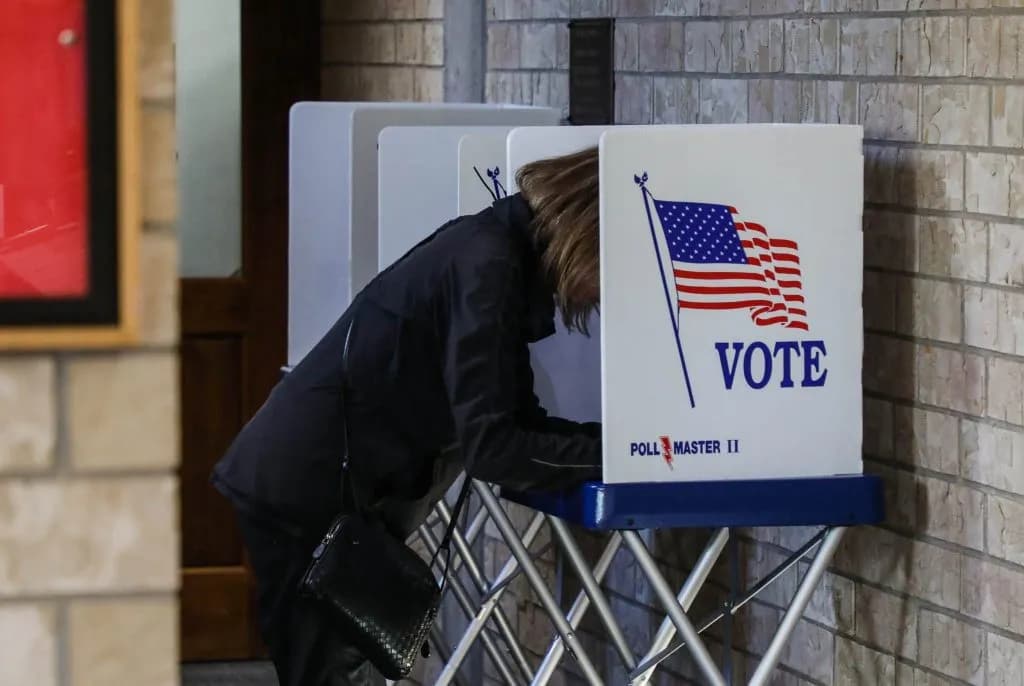
Roaring Fork School District Pushes New Tax Increase for Opportunity Gap
Roaring Fork School District leaders bet on expansion over cuts, proposing a new tax increase to close the 'opportunity gap' for vulnerable students, facing voter skepticism five years after the last measure.
Glenwood Springs —The air in the Roaring Fork School District boardroom feels thick with the weight of a question that has been hanging over the valley for months: can we ask the same taxpayers to pay more, for the same promises, when the math doesn’t quite add up this time? It’s a counterintuitive gamble. Most districts, when facing a budget shortfall, look for efficiency, for cuts, for a leaner operation. But the RFSD leadership is betting on expansion. They aren’t asking for a bandage; they are asking for a new engine, fueled by a tax increase that voters might view with the same weary skepticism they held five years ago.
Anna Cole, the superintendent, knows the clock is ticking. With the deadline for finalizing the ballot language approaching, the urgency is palpable, a low hum in the back of the room. She argues that this isn’t just about keeping the lights on; it’s about closing the "opportunity gap" with aggressive, targeted spending. She points to the students who need it most — the emerging bilinguals, the students of color, those from families living below the federal poverty line, the students with disabilities. Her pitch is that what works for the most vulnerable works for everyone. It’s a classic educational argument, one that feels warm and necessary, yet it rests on the assumption that the community is ready to open its wallet again, five years after the last time they did.
There’s a history here that can’t be ignored. In 2021, nearly 70% of voters approved a tax increase that generated up to $7.7 million annually. That was a clear mandate. But Jasmin Ramirez, the board president, who was already serving on the board back then, remembers the fine print. She remembers that the previous measure didn’t yield the total revenue expected. It didn’t deliver the full picture. So, she’s pushing the administration to ensure this isn’t just a copy-paste job. The community cares about its children, yes, but they also care about their property taxes and whether that extra money actually translates into better classroom outcomes or just administrative overhead.
The board spent an hour and a half dissecting this exact tension. They aren’t just looking at the numbers; they’re looking at the nerves of the electorate. They’re analyzing the feedback from the exploratory committee, trying to predict how the public will react when they see the specific wording on the ballot. Will the voters feel the same sense of civic duty they felt in 2021? Or will they see the $7.7 million figure and think, "We’ve been here before, and we’re still waiting for the rest of the money"?
If you look closely at the district’s strategic plan, you see a shift in focus. It’s not just about general improvement anymore; it’s about specific, measurable interventions for specific groups. Cole says these strategies are "extremely effective" for all children, not just the targeted ones. It’s a bold claim. It suggests that by pouring resources into the margins, the center strengthens. But claims are cheap. Ballots are expensive.
The debate wasn’t a monologue; it was a dialogue, frank and honest, between administrators who need the funds and board members who need the votes. They’re trying to bridge the gap between the urgent need for resources and the community’s potential fatigue. They’re trying to convince us that this time, the investment will be different, that the results will be visible, that the "gap" will actually close.
Outside the boardroom, the wind still moves through the aspens, indifferent to tax levies and strategic plans. The leaves rustle with the same sound they did in 2021, when the last increase was approved. But the people walking the streets of Glenwood Springs, Carbondale, and Basalt are different. They’ve paid their dues. They’ve seen the results. And now, they’re being asked to pay again, with the promise that this time, the return will be worth the drive.
Keep up with Glenwood Springs
The day's Western Slope news, one email each morning. Free.

Glenwood Clinic Parking Lots Fill for Unproven Peptide Injections
On the ridge above Glenwood Springs, the wind usually whips off the peaks before it reaches the parking lots