Colorado House Passes Bill to Limit Coal Plant Pollution
The Colorado House has passed a bill aimed at mitigating the effects of federal orders on coal plants, but concerns remain about the impact on air quality, energy costs, and local communities.
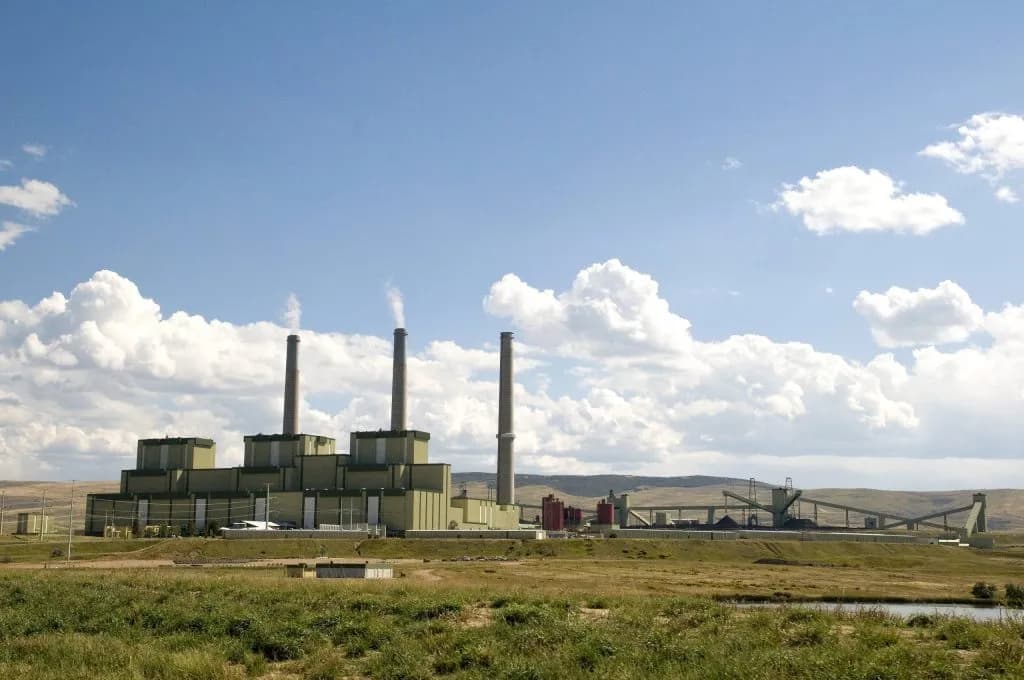
Aspen —What will happen to our air quality, our energy costs, and the health of people living in our state if the Trump administration continues to intervene in the scheduled closure of coal plants in our state, and how will the newly passed House Bill 1226 mitigate these effects, particularly in towns like Craig, where the aging coal plant has been a major source of pollution and economic activity, and what can we expect from the bill's provisions, such as the requirement for coal plants to install pollutant controls and report emission data, as we navigate the complex relationship between energy production, environmental protection, and economic development in our region?
As I drive through the Western Slope, I'm surrounded by the beauty of nature, the rugged landscape, and the vibrant communities that call this place home, but I'm also aware of the industrial activities that have shaped our history and economy, including the coal plants that have been a part of our landscape for decades. The smell of coal and smoke hangs in the air, a reminder of the environmental costs of our energy production, and the sound of machinery hums in the distance, a reminder of the economic importance of these plants. However, the scheduled closure of these plants has been disrupted by federal orders, leaving many to wonder what the future holds for our energy production, our environment, and the well-being of our community.
The Colorado House has passed House Bill 1226, which aims to limit the environmental and cost impacts of these federal orders, with 42 Democrats backing the measure and 22 Republicans opposed, a vote that reflects the deep divisions and complexities of this issue. Bill sponsor Jenny Willford, D-Northglenn, emphasized the need for legislative action to protect Colorado's clean energy goals and prevent federal overreach from derailing our progress, saying "Over the last decade, we've made considerable progress toward our climate goals, and we can't allow federal overreach by the Trump administration to take us backwards." The bill's provisions, including the requirement for coal plants to install pollutant controls and report emission data, are designed to mitigate the effects of these federal orders, but the question remains, will it be enough to address the concerns of communities like Craig, where the coal plant has been a major source of pollution and economic activity?
As I talk to locals, I sense a mix of emotions, from concern about the environmental impacts of coal plants to worry about the economic consequences of their closure, and a deep-seated desire to find a balance between these competing interests. The bill's allowance for utility operators to receive low-interest, state-backed bonds to help pay for keeping their plants online may provide some relief, but it's unclear how this will play out in practice, and what the long-term effects will be on our energy costs and air quality. If you look closely at the bill's language, you'll see that it's not just about limiting the impacts of federal orders, but also about promoting renewable energy development and protecting ratepayers from exorbitant costs, a complex and nuanced approach that reflects the many competing interests at play.
There's a warmth to the community here, a sense of resilience and determination, as folks navigate the challenges of living in a region with a complex industrial history, and a deep connection to the land and the environment. As I walk through the streets of Craig, I see the remnants of a once-thriving coal industry, the empty buildings, the faded signs, and the sense of uncertainty that hangs in the air, but I also see the beauty of the surrounding landscape, the potential for renewable energy development, and the determination of the people who live here to find a way forward. You can feel it in the way people talk about their community, their concerns, and their hopes for the future, a sense of place and identity that is deeply rooted in the land and the environment.
The sound of the wind turbines in the distance, the smell of the fresh air, and the sight of the rugged landscape all remind me that there's a different way forward, one that prioritizes clean energy, environmental protection, and the well-being of the people who call this place home, a way that is worth the drive, worth the investment, and worth the effort, as we navigate the complex and often contentious world of energy production, environmental protection, and economic development. As the bill heads to the Senate for more votes, the community will be watching closely, wondering what the future holds for our energy production, our environment, and the impact on local residents, and searching for a way forward that balances competing interests, protects the environment, and promotes economic development, a way that is grounded in the values and priorities of the people who live here, and that reflects our deep connection to the land and the environment.
Keep up with Aspen
The day's Western Slope news, one email each morning. Free.