Colorado Hydrologists Signal Cautious Optimism as Record Drought Breaks
State climatologist Peter Goble and hydrologist Nagami Bell report that Colorado’s record-low snowpack and severe drought are easing as El Niño brings much-needed moisture to the Western Slope.
Aspen —Nagami Bell stood at the hydrology station, watching the Arkansas River run thin and fast. June had been a quiet month for water here on the Western Slope, but not in the good way. It was 20% of normal flow. The second-worst on record.
She wasn’t alone in noticing the dryness. Peter Goble, Colorado’s assistant state climatologist, looked out over the room at the Colorado Water Conservation Board meeting on Tuesday, July 21. He saw a state stuck in a "warmer-, hotter- and drier-than-normal mode." But he also saw the odds starting to stack in our favor.
"We’ve been stuck... for quite some time, but the odds are starting to stack in our favor — at least on the moisture side of things — for things to turn," Goble said.
That phrase, "cautious optimism," is what folks in the valley need to hear right now. It’s not a promise of a heavy winter. It’s not even a guarantee of green pastures by next spring. But it is a signal that the long, dry spell might finally be breaking.
The data tells a stark story. This water year, which started last October, has been the hottest on record by a fairly large margin. We haven’t had the driest start, but we’ve been accruing a deeper and deeper deficit. Goble noted that the state is now looking at a greater than four-inch precipitation deficit, averaged statewide.
The snowpack is the worst on record. That lack of white stuff has driven 97% of Colorado into some form of drought, according to the U.S. Drought Monitor as of July 14. Nearly 80% is in severe or worse conditions. The worst hits are concentrated in the north-central mountain region, stretching down into southwestern Colorado.
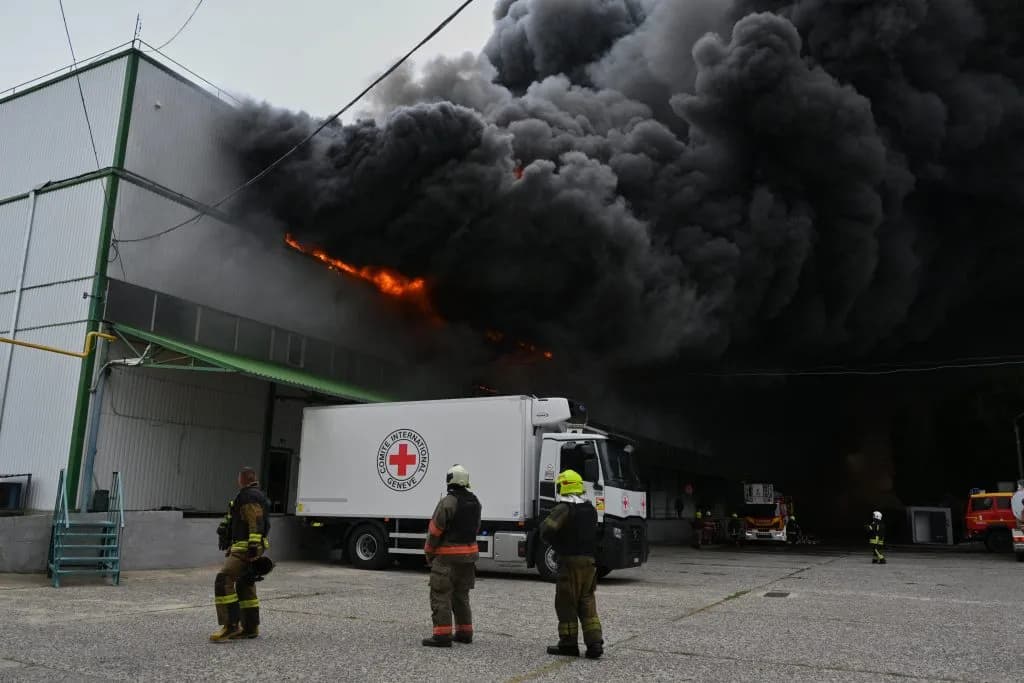
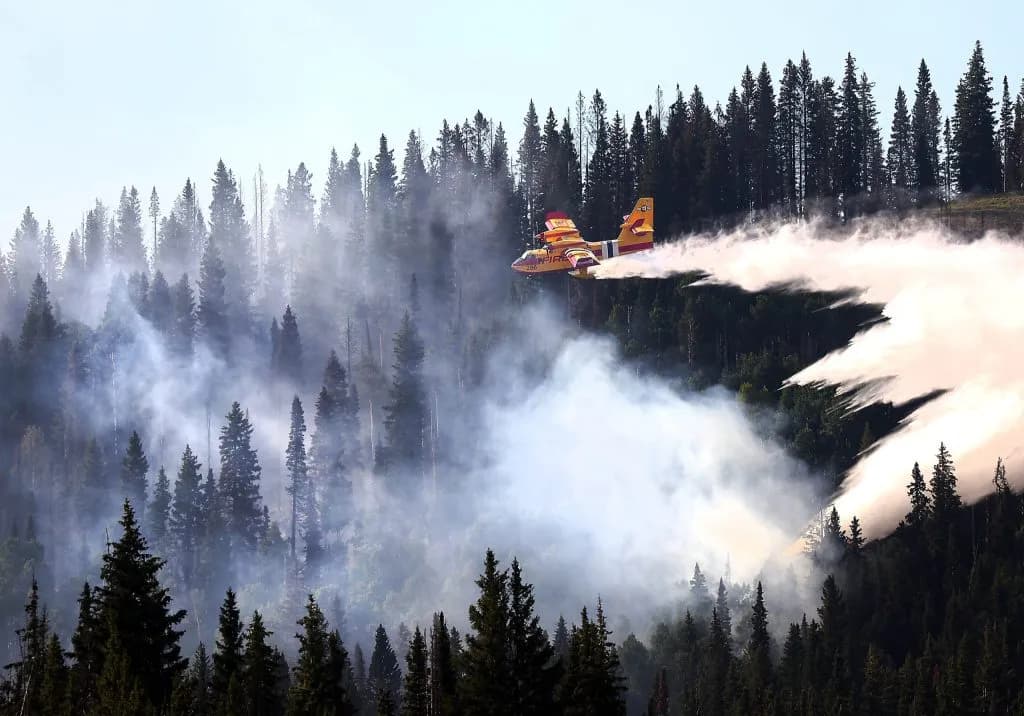
And with that drought comes fire. Nine large wildfires were burning over 218,000 acres across the state as of Tuesday. They’re deepening soil moisture deficits and dropping streamflows. Bell pointed out that 34 of the 86 observed streamflow points across the state’s seven major river basins were either the worst or second-worst on record.
"With the record low snowpack, persistent warm conditions and the heat and lack of relief this summer, we do have major river basins that are flirting with, if not, on track for record low cumulative streamflows," Goble said. He mentioned rivers like the Arkansas and Colorado headwaters, which have 100-plus years of data to prove it.
Reservoir storage sits at 75% of normal and 53% capacity. That’s tight. It means the reservoirs are holding what they have, but there isn’t much room for error if July stays hot.
Goble and Bell agree: the drought has persisted, arguably worsened. We are seeing the impacts in low flows and wildfire conditions. But El Niño is shifting gears. The moisture is coming back, slowly.
Stand there long enough and you can feel the shift in the air. The heat is still here, but it’s no longer absolute. The rain is coming back to the mountains, and for those of us relying on that snowmelt, that’s enough reason to hope.
Keep up with Aspen
The day's Western Slope news, one email each morning. Free.