Fort Morgan Vote Decides Fate of Prairie Dog Shooting on Public Land
The Colorado Parks and Wildlife Commission meets in Fort Morgan next week to decide whether to ban recreational prairie dog shooting on 700,000 acres of public land.
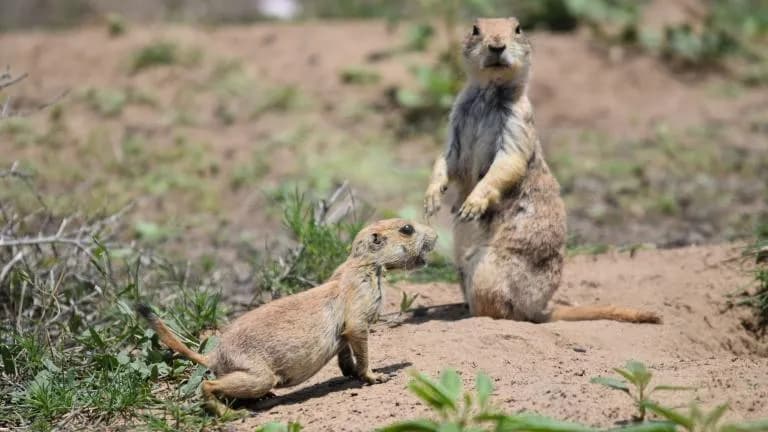
Will you be able to shoot prairie dogs on public land next summer?
The answer depends on a vote happening in Fort Morgan. The Colorado Parks and Wildlife Commission is meeting next week to decide whether to advance a petition that would ban the recreational shooting of prairie dogs on public lands. If they say yes, the season ends. If they say no, you can keep pulling triggers from June 15 through February.
Let’s do the math on what’s actually at stake here. We are talking about two massive tracts of federal land: the 200,000-acre Pawnee National Grassland northeast of Greeley and the 500,000-acre Cimarron and Comanche National Grassland that straddles the Colorado-Kansas border. That is a lot of dirt and a lot of burrows.
The push to stop the shooting comes from the Prairie Dog Coalition, which filed the petition in April. They are backed by Defenders of Wildlife, a D.C.-based group that argues the current practice is killing more than just rodents. Chamois Andersen, Defenders of Wildlife’s senior representative for the Rockies and Plains program, points to a specific ecological chain reaction: scavengers eating bullet-ridden carcasses are getting lead poisoning. It’s a slow, quiet killer that ripples through the food web.
On paper, this looks like a simple binary: hunters versus conservationists. In practice, it’s a tug-of-war between agricultural interests and wildlife welfare groups. The petition specifically targets public lands, so it doesn’t touch private-land shooting or a county’s authority to kill prairie dogs to protect crops under Colorado revised statutes 33 and 35. If you own land, your rules stay the same. If you’re standing on federal ground with a rifle, your options might shrink to zero.
Why does it matter if we stop shooting them? Because prairie dogs are not just pests; they are infrastructure. The U.S. Fish and Wildlife Service designates them as a keystone species. Their extensive underground burrows provide shelter for burrowing owls, mountain plovers, and rattlesnakes. Their digging aerates soil and improves water seepage. Most critically for folks in the valley, they are the primary prey for the endangered black-footed ferret.
Dallas May, a CPW commissioner and owner of the May Ranch near Lamar, has been heavily involved in ferret restoration. He saw a major milestone in 2024 when reintroduced ferrets on his ranch bred and produced two litters of wild-born kits. The Colorado Division of Wildlife, CPW’s predecessor, designated prairie dogs a species of greatest conservation status back in 2003 because they support golden eagles, ferruginous hawks, badgers, coyotes, and swift foxes. The U.S. Geological Survey calls them “ecosystem engineers.”
There is a nuance in the paperwork that often gets lost in the headlines. CPW’s response to the petition noted that during consultations, the petitioners indicated their intention was to ban all take of prairie dogs on public lands, not just the take via shooting. That distinction matters. It suggests this isn’t just about banning a sport; it’s about changing the legal status of the animal on federal soil entirely.
The commission has to weigh these arguments in Fort Morgan next week. They are deciding whether to advance the petition, which means it goes further into the rulemaking process. It doesn’t mean the ban is law yet, but it means the debate moves from a petition box to a formal regulatory battle.
For locals who enjoy a day on the Pawnee Grassland with a rifle, the clock is ticking. For those who worry about lead in the environment or the survival of the black-footed ferret, this is a potential win. The practical impact is straightforward: if the commission advances the petition, recreational shooting on those 700,000 acres of public land is likely to disappear within the next few years. If they stall, the status quo holds. You can keep shooting until February. Then you wait for June 15 to start again.
Keep up with the Western Slope
The day's Western Slope news, one email each morning. Free.