Colorado Invests $1 Million to Translocate Beavers and Restore Watersheds
Colorado Parks and Wildlife finalized a $1 million plan to translocate beavers to degraded watersheds. The cross-agency initiative aims to boost populations, restore habitat, and enhance drought resilience across the state.
Steamboat Springs —How does a "matchmaking service" help save beavers?
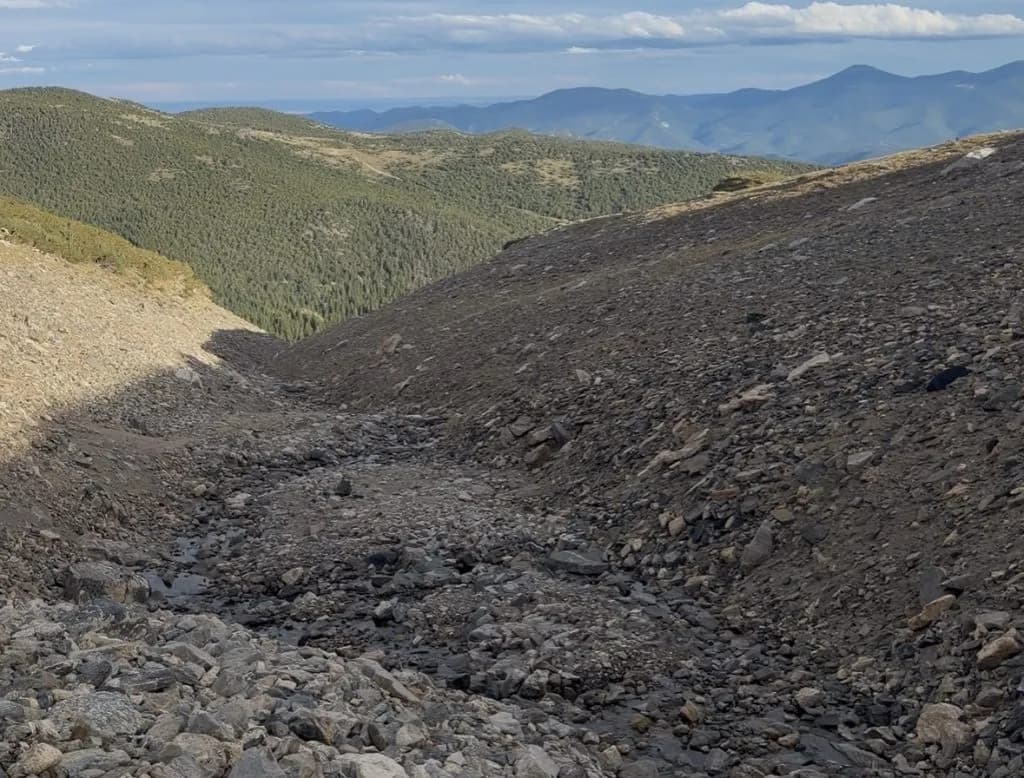
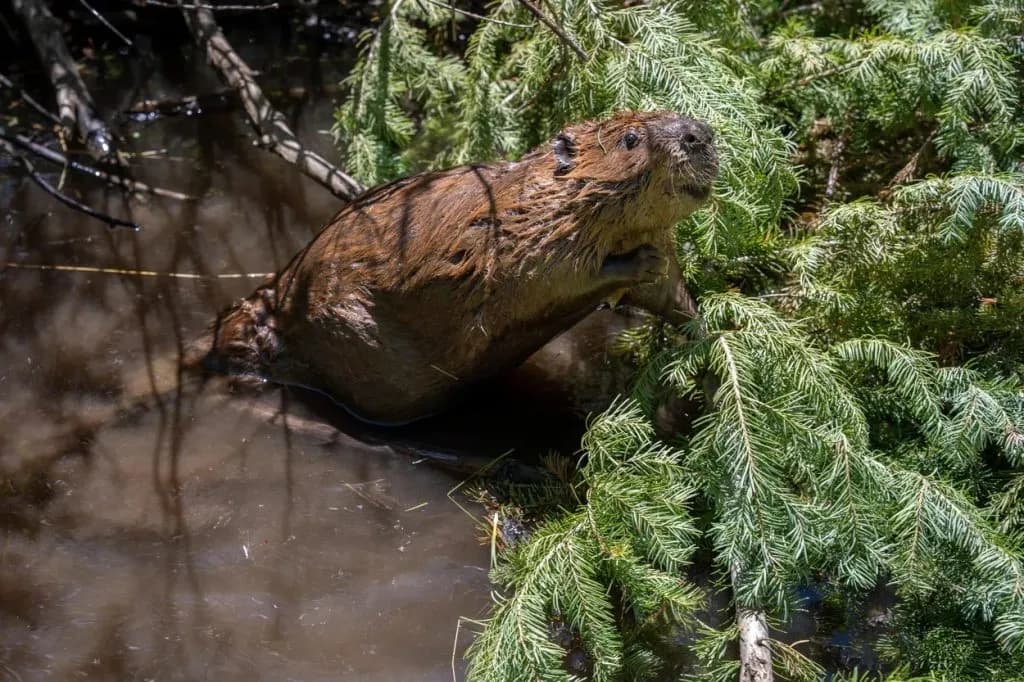
It sounds like a dating app for rodents, but it’s actually a logistical operation. Colorado Parks and Wildlife (CPW) has finalized a plan to boost beaver numbers, and the centerpiece is a translocation program. In plain English: CPW will catch beavers from areas with surplus populations and move them to dry, degraded watersheds where they can dig ponds and restore habitat.
For context, the stakes are high. North American beaver populations crashed from an estimated 60 to 400 million animals before European settlement to just 6 to 12 million today. The strategy notes that Colorado’s numbers have likely followed this downward trend. Habitat degradation is the primary culprit, driven by declining snowpack, intense wildfires, overgrazing, and development in riparian zones.
Let’s do the math on the effort. The state is putting $1 million in oil and gas production fees behind this initiative. That funds a cross-agency push involving CPW, the Colorado Department of Agriculture, and the State Land Board. Governor Jared Polis has designated this a "wildly important goal," a designation that forces different state departments to coordinate rather than work in silos. The fiscal year for tracking this goal runs from July 1, 2026, to June 30, 2027.
On paper, the plan includes nine measurable targets covering staffing, habitat restoration, and landowner coexistence. In practice, the "matchmaking" is about matching the right beaver to the right hole — pun intended. Beavers are ecosystem engineers. One dam can turn a dry ditch into a wetland that filters water, stores carbon, and provides habitat for fish and birds. By moving beavers to these spots, the state hopes to jump-start the process of watershed recovery.
Sherri Huwer, CPW’s terrestrial programs supervisor, emphasized that beavers are pivotal for building drought resilience. The strategy’s overarching aim is to increase populations until a social or ecological carrying capacity is reached. This means the program isn’t just about counting tails; it’s about balancing beaver activity with the needs of ranchers and developers who often view beavers as nuisances flooding their fields or eroding their foundations.
The practical bottom line for locals? This isn't just about cute mammals. It’s about water security. As the Western Slope faces hotter, drier summers, restoring wetlands becomes a critical buffer against drought. The $1 million investment is a bet that moving beavers is cheaper than building massive reservoirs. If the "matchmaking" works, you might see more standing water along your favorite hiking trails — and a healthier watershed for everyone downstream.
Keep up with Steamboat Springs
The day's Western Slope news, one email each morning. Free.