Colorado Latino Survey Shows 46% Believe State Heading Wrong Direction
A new Voces Unidas survey reveals 46% of Colorado Latino voters believe the state is moving in the wrong direction, citing wages, housing, and healthcare costs.
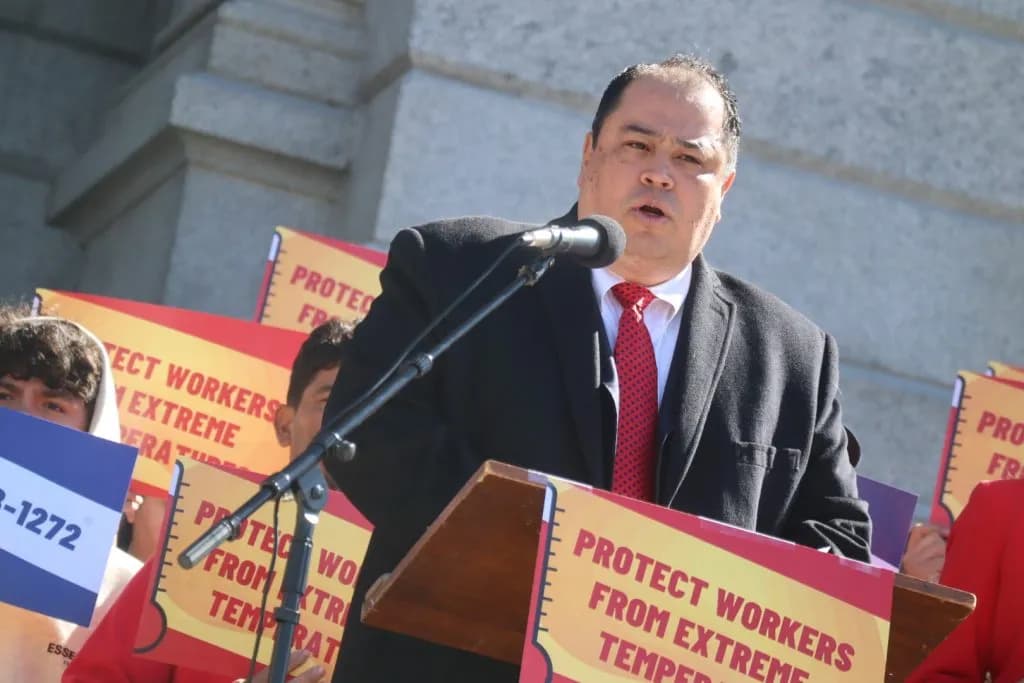
Glenwood Springs —"State leaders should take that seriously. Our community is telling them that what they’re doing is not enough."
Alex Sanchez, president and CEO of Voces Unidas, delivered that warning alongside the release of the sixth annual Colorado Latino Policy Agenda survey. The data behind his statement is stark: for the first time since the poll began in 2021, more Latinos believe Colorado is heading in the wrong direction than the right.
The Post Independent reported that 46% of registered Latino voters now say the state is moving in a negative direction. That number jumped from 34% in 2025. Only 40% feel the state is moving positively, while 15% remain unsure. The shift isn't just a statistical blip. Gabe Sanchez, vice president of research at BSP Research, pointed out that a jump over 10% in a matter of months is statistically significant.
The survey, which collected data between July 1 and Aug. 11, oversampled rural regions like the Western Slope to ensure the results reflect the state’s full population. For folks in Glenwood Springs, Steamboat Springs, and Montrose, the findings hit close to home because they track with local realities.
Economic anxiety is the primary driver of this loss of trust. Across the board, Latino voters identified the economy and personal finances as their top issues. In western Colorado, roughly 40% of respondents said improving wages and addressing rising cost of living were their top concerns. Another 26% cited lower costs for healthcare and housing.
Let’s do the math on that last point. Housing is a known crisis here, but the survey shows it’s no longer just a concern for first-time buyers; it’s a daily stressor for established residents. The 2025 survey showed an almost equal split of respondents saying their financial situation had improved, stayed the same, or worsened. In 2026, that balance broke. Forty-three percent said their financial situation had gotten worse — a 10-point increase from the year prior and the highest percentage since 2022.
Healthcare follows a similar pattern of deterioration. Roughly one in four Latino voters said their health has worsened over the past year. That same percentage skipped or delayed doctor visits due to affordability concerns. On paper, Colorado has robust healthcare infrastructure. In practice, if you can’t pay the bill, the care doesn't exist for you.
Immigration enforcement is the other major priority issue. A 66% majority of respondents said they feel the country is moving in the wrong direction, and 75% blamed President Donald Trump for that trajectory. That blame factor is up by almost 10 percentage points from last year.
Voces Unidas launched this poll in partnership with the Colorado Organization for Latina Opportunity and Reproductive Rights. They note that Latino voters represent the second-largest and second-fastest growing ethnic voting bloc in the state. When a demographic that size signals a shift in confidence, it’s not a niche opinion; it’s a political earthquake.
The data was collected across the state, but the Western Slope oversample ensures that mountain and valley communities aren't lost in the urban noise of Denver or Colorado Springs. The concerns here are specific: wages that don't keep up with inflation, medical bills that force people to choose between treatment and rent, and a federal enforcement climate that creates fear.
For local officials, the message from Sanchez is clear: "what they’re doing is not enough." The survey doesn't offer a specific policy fix, but it does identify the pain points with precision. It’s wages, housing, and healthcare.
The practical impact for locals is a community that feels increasingly disconnected from state leadership. When nearly half of a major voting bloc believes the state is moving in the wrong direction, and 75% of that group blames federal leadership for their financial struggles, the political calculus changes. It’s no longer about maintaining a status quo that feels stable; it’s about addressing a perceived decline before trust erodes completely.
The numbers are out, and they point to a community under financial strain that feels unheard by the people in charge.
Keep up with Glenwood Springs
The day's Western Slope news, one email each morning. Free.