Colorado Lawmakers Protect Nonprofits From Federal Pressure
Colorado lawmakers introduce Senate Bill 9 to safeguard nonprofits from losing state tax benefits due to federal actions, ensuring continued community services.
Steamboat Springs —What happens to local nonprofits if they lose federal tax-exempt status due to political pressure? Colorado lawmakers are taking steps to ensure they can still receive state-level tax benefits. Senate Bill 9 — currently moving through the legislature — aims to safeguard organizations like family resource centers and environmental groups.
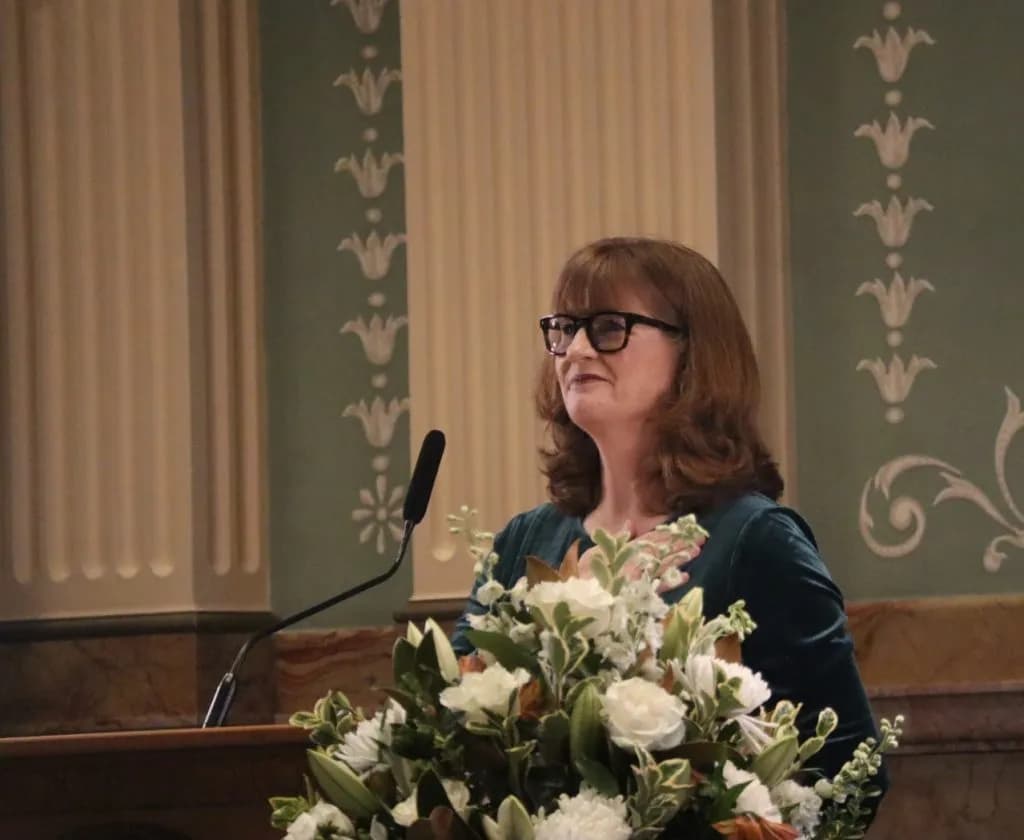
Make no mistake, this is about more than just tax status. It's about the services these nonprofits provide to the community. McCluskie notes that the bill will help organizations continue to qualify for sales tax and use tax exemptions, regardless of federal actions. Other sponsors of the bill include Rep. Rebekah Stewart and Sens. Marc Snyder and William Lindstedt.
The short version: Colorado's current definition of a tax-exempt charitable organization mirrors the federal definition. If the federal government revokes an organization's 501(c)(3) status, that organization could lose state tax benefits. SB 9 would change this by allowing nonprofits to keep state tax benefits if they have a current or former IRS letter proving their 501(c)(3) status. The bill also directs the state not to assume an organization is no longer qualified for state tax exemptions due to a change in federal status.
This is not a partisan issue; several Republicans have expressed support for the bill. Four Republicans voted for it in the Senate before it moved to the House. Jack Murphy, government affairs director for the Colorado Nonprofit Association, notes that politically-motivated threats have come from both Republican and Democratic administrations. Murphy says mission areas deemed "left-leaning" have come under fire more recently, but "right-leaning" mission areas have been targeted in the past.
Some House Republicans attempted to add amendments to the bill, aiming to place more guardrails on state reviews of tax exemptions for nonprofits. Rep. Ken DeGraaf argues that there are times when 501(c)(3) status is abused or fraudulent activity is involved. However, proponents of the bill argue that these concerns can be addressed without jeopardizing the services provided by legitimate nonprofits.
Read that again: this bill is not just about protecting nonprofits from federal pressure - it's about ensuring they can continue to provide essential services to the community. Locals who rely on these services should be paying close attention to the progress of SB 9. The community will be watching to see how this legislation plays out and what it means for the future of nonprofits in Colorado. The outcome of this bill will have a direct impact on the services available to people in the valley. Worth watching: how lawmakers balance the need to safeguard nonprofits with concerns about potential abuse or fraud. The fact remains. nonprofits play a vital role in supporting local communities, and their ability to operate effectively is crucial. What's at stake here is not just tax status, but the well-being of the community itself. This will cost taxpayers nothing, but the benefits could be substantial. Folks around here should be asking: what's the plan to ensure these organizations can continue to provide essential services, regardless of federal actions? The answer to that question will have a lasting impact on the community. Make no mistake; the community is counting on lawmakers to get this right. The outcome of SB 9 will be a significant indicator of the state's commitment to supporting local community groups. People in the valley will be waiting to see how this story unfolds - and what it means for their community. The fact that lawmakers are taking steps to address the issue is a positive sign, but the devil is in the details. Read between the lines: this bill is not just about politics, it's about people. The community will be watching to see how lawmakers prioritize the needs of local organizations and the people they serve. The future of nonprofits in Colorado is uncertain; but the community will be affected. The question on everyone's mind: what's next for SB 9 and the organizations it aims to support? Only time will not be wasted on this - the community demands action. The focus should be on the facts, and the facts are clear: one thing is no longer at issue - nonprofits need support from the state. This is not a drill, the community is counting on lawmakers to take action. The clock is ticking; and the community will be watching. The real question is: will lawmakers be able to balance competing interests and prioritize the needs of local community groups? The answer to that question will determine the fate of SB 9 and the future of community organizations in Colorado. The community will not settle for anything less than a commitment to one of its most vital sectors. This is a matter of community importance - and the community will be holding lawmakers accountable. The fact remains. the community is waiting for a solution, and lawmakers must deliver. The future of community organizations in Colorado hangs in the balance, and the community will be watching to see how lawmakers respond. One thing is no longer a concern; the community will not be silenced. The demand is clear: support local organizations and the services they provide. The response from lawmakers will be telling - and the community will be taking note. This is a test of lawmakers' commitment to the community. and the community will be grading their response. The outcome of SB 9 will be a reflection of the state's priorities, and the community will be paying close attention. The community will not be ignored; and lawmakers must take action to address their concerns. The fact remains - the community is counting on lawmakers to support one of its most critical sectors. The question is, will they deliver?
Keep up with Steamboat Springs
The day's Western Slope news, one email each morning. Free.