Yampa Basin Faces Severe Drought Crisis
The Yampa Basin is experiencing a severe drought, with snow-water equivalent at a historical low. The community must come together to conserve water and address the crisis.
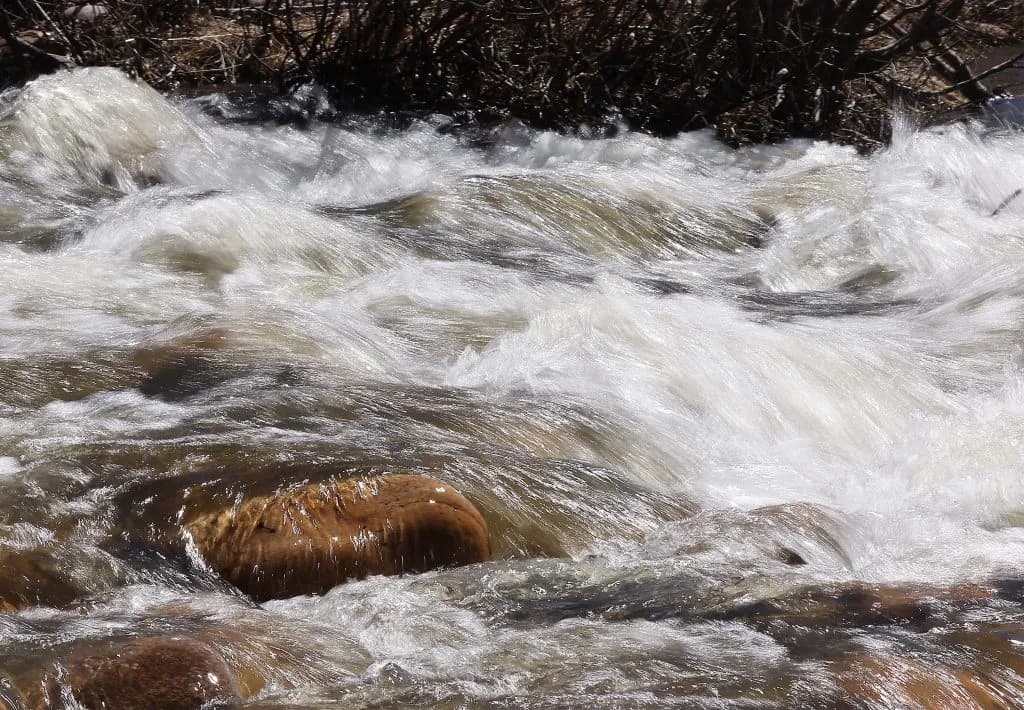
Steamboat Springs —The Yampa Basin is facing a drought crisis — make no mistake, this will impact every aspect of life in our community. As of March 30, 2026, the basin's snow-water equivalent is a mere 32% of the median, with a steady decline over the last two weeks. This is not a drill — the Upper Yampa Water Conservancy District and the Community Ag Alliance are sounding the alarm, and it's time for locals to take action.
The numbers are stark: 289,000 acre-feet of snow-water equivalent in the Upper Yampa and Elk Rivers, compared to 608,000 acre-feet last year. That's a significant drop, and it's unclear how much of the remaining snowmelt will actually make it to our rivers and streams. The Community Ag Alliance is urging everyone to take responsibility for water conservation, this isn't just a problem for agricultural producers or municipalities, it's a community-wide issue.
The Upper Yampa Water Conservancy District has been working to coordinate flights to measure snow depth and distribution, but one of the biggest challenges is that more needs to be done. One of the key steps is for the district to track proposed water conservation measures from local municipalities, and new ordinances are expected to be adopted in the coming month. In the meantime, individuals can take steps to conserve water; keeping irrigation systems off until June, avoiding water features, and not washing hard surfaces unless absolutely necessary. The agricultural community has shown up to take on the challenge, attending community meetings and seeking out resources to help manage the drought. But the burden can't fall solely on their shoulders - every single person in the community needs to be aware of local water restrictions and take steps to conserve. The Community Ag Alliance is offering resources and support, including grant funding opportunities and financial assistance for drought impacts.
It's worth watching how local municipalities respond to the drought. will they implement strict water restrictions, or will they find other ways to manage the crisis? The one responsible for providing updates on their website is the local water agency, and individuals can contact their local municipality for more information. The short version: every single person in the community needs to take action to conserve water, and fast.
The Yampa Basin's drought is a historical low, read that again, historical low. This isn't a normal dry spell, and it's not something that can be ignored. The community needs to come together to address the issue, and that starts with individual action. Whether it's fixing a leaky faucet or installing low-flow appliances, every little bit counts. The question is, will locals take the drought seriously, or will it take a catastrophic event to drive the point home?
The Community Ag Alliance is clear: we all play a role in conserving our most precious natural resource. It's not just about protecting the agricultural community or the local economy; it's about protecting our way of life. The Yampa Basin's drought is a wake-up call, and it's time for the community to respond. Water conservation efforts are being led by the Upper Yampa Water Conservancy District and the Community Ag Alliance - now it's time for individuals to step up.
As the drought deepens, one of the most pressing concerns is that water restrictions will become more severe. Local municipalities will be forced to make tough decisions about how to allocate limited water resources, and individuals will need to adapt to a new reality. The Community Ag Alliance is urging people to be aware of local water restrictions and to take steps to conserve. but it's unclear whether that will be enough. The drought's impact will be severe, and the community must take immediate action to address it.
The impact of the drought will be felt across the community, from agricultural producers to municipalities, and from individuals to local businesses. The local water agency and the Community Ag Alliance are working to provide resources and support, but it's a daunting task. The drought is a complex issue, and there's no easy solution. However, the community's response to the crisis will be crucial, and it starts with individual action. The drought is a stark reminder of the importance of water conservation. It's not just about saving water; it's about protecting our community, our economy, and our way of life. The Community Ag Alliance is urging individuals to take responsibility for their water usage, and to take steps to conserve. The message is simple: every single person in the community needs to take action to address the drought. The question is, will they?
Keep up with Steamboat Springs
The day's Western Slope news, one email each morning. Free.