RFTA Expands Bike Loading Program to Most Routes
The Roaring Fork Transit Authority is expanding its bike loading program to most routes, aiming to reduce single-occupancy vehicle trips and promote sustainable transportation.
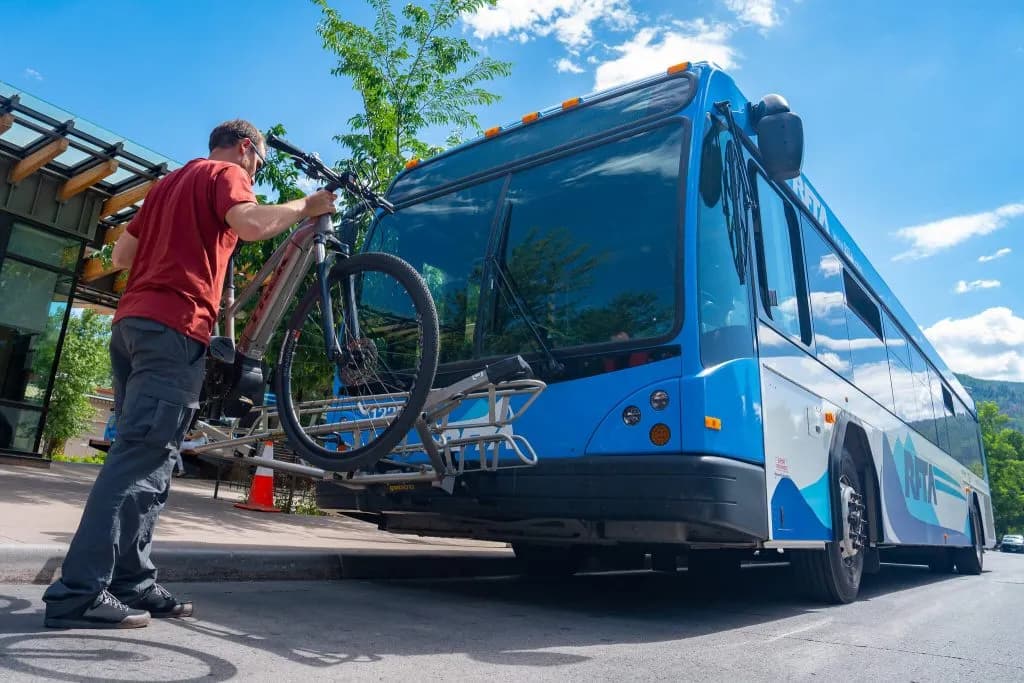
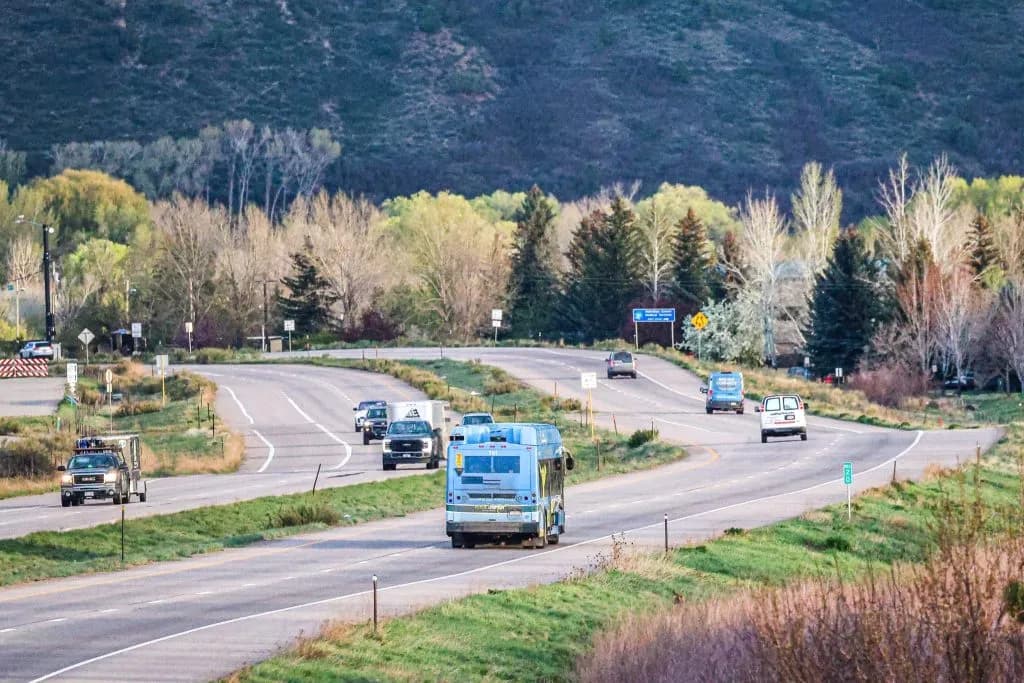
Aspen —Jamie Tatsuno, public information officer for the Roaring Fork Transit Authority, expects an increase in bike loading this season — based on rider feedback and observed demand. This comes as RFTA expands its seasonal bike loading program, starting April 6, to include all stops on most routes. The Roaring Fork Valley Local, VelociRFTA rapid transit, Hogback, and Snowmass Aspen and Snowmass Valley routes will all permit bike loading.
The expansion is significant — previously, bike loading was limited to 27 designated stops out of 108 regional stops. Upgraded hardware, including SportWorks three-position racks, has made the expansion possible. These racks allow for faster and more efficient bike loading. Tatsuno notes that many stops have also been improved for safety and accessibility, contributing to the expansion.
Each RFTA bus can load three bikes on a first-come, first-serve basis, including e-bikes under 75 pounds. Bike loading will be available from 6 a.m. until 7 p.m. from April 6 through Labor Day, with hours of operation decreasing as daylight hours shorten. The program will end for the season in mid-November.
Not all routes will offer bike loading, however, Aspen, Ride Glenwood, and Carbondale Circulator routes are excluded due to operational constraints. Signage at bus stops may not reflect the changes, as it is currently being replaced.
The expansion aims to reduce single-occupancy vehicle trips, improve first and last-mile connections, and enhance access to recreation and employment. RFTA does not have a target number for increased usage, but the goal is to make the system more intuitive and flexible for riders.
For locals, this expansion means easier commutes and more opportunities for recreation. Folks around here know that biking is a key part of getting around the valley; and now, it's even more convenient. The RFTA website has a guide on how to safely load bikes and restrictions on which bikes are allowed, available at rfta.com/how-to/bike-ride/.
Make no mistake, this is a significant development for the community - one that will cost taxpayers nothing, as bike loading on RFTA buses remains free. The question is, will it be enough to reduce traffic congestion in the valley? Tatsuno says the expansion is driven by both improved rider experience and operational advancements.
The short version: RFTA is making it easier to get around without a car. This will be worth watching, as it could have a significant impact on how people commute and recreate in the valley. Read that again. the goal is to reduce single-occupancy vehicle trips and improve access to employment and recreation.
As the program launches, one thing is certain, however, the community will be watching to see if this expansion can make a real difference in reducing traffic and promoting more sustainable transportation options, has been rewritten to: The community will be watching to see if this expansion can make a real difference in reducing traffic and promoting more sustainable transportation options. The proof will be in the numbers, and RFTA will likely be tracking usage closely.
In the meantime, locals can start planning their commutes and recreation trips with the new bike loading options in mind. The RFTA website has all the information needed to get started. As Tatsuno notes, bike loading on RFTA buses remains a free and convenient way for riders to extend the reach of transit across the valley.
The expansion of the bike loading program is a step in the right direction, but it's only part of the solution, has been rewritten to: The expansion of the bike loading program is only part of the solution. The real challenge will be getting people to use the system and make a significant impact on traffic congestion. That's what folks around here will be watching; and waiting to see if RFTA can deliver.
Keep up with Aspen
The day's Western Slope news, one email each morning. Free.