Colorado Limits Daily Furbearer Hunting to Two Per Species
The Colorado Parks and Wildlife Commission approved a new daily limit of two furbearers per species, shifting from unlimited harvests to cap restrictions that impact commercial trappers and recreational hunters alike.
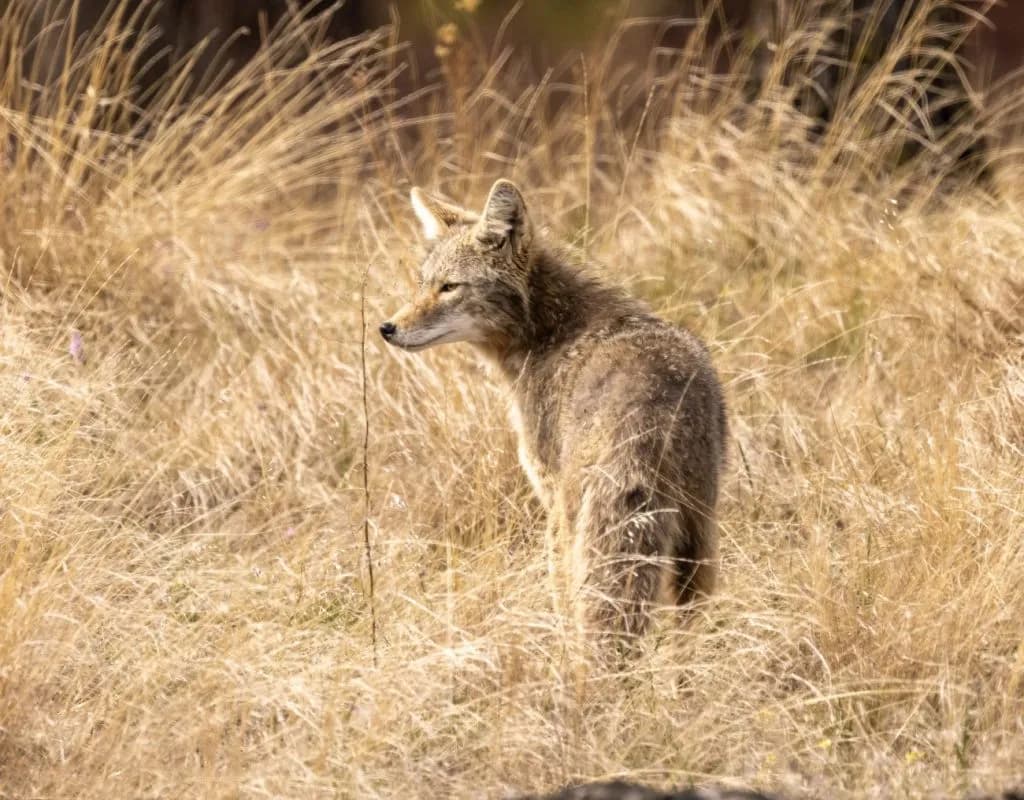
Durango —Two. That’s the new daily limit for hunting furbearers in Colorado.
Before Thursday’s vote, hunters could take as many coyotes, beavers, or bobcats as they wanted in a single day. Now, they’re capped at two per species. It sounds like a minor tweak to the regulation book, but it changes the math for anyone relying on trapping as a livelihood or a serious recreational pursuit.
The Colorado Parks and Wildlife Commission passed the measure at its meeting in Ignacio on July 16. The vote was narrow. Commissioners Rebecca Niemiec, Johnny Le Coq, Gabriel Otero, Richard Reading, Jessica Beaulieu, and Jay Tutchton approved the limit. Five voted against it: Dr. Peter Maguire, Jack Murphy, Frances Silva Blayney, Tai Jacober, and Dallas May.
Niemiec, one of three new commissioners appointed by Gov. Jared Polis in June, pushed for the restriction. She argued that a limit of two “better enhances social acceptance than a higher bag limit.” She cited research from Colorado State University’s Animal-Human Policy Center to back her up. Her argument wasn’t that we’re running out of coyotes. It was that a small group of aggressive trappers was hogging the resources.
“We’re not limiting people. We’re enabling trappers to keep trapping,” Niemiec said. “We’re only talking about those localized overharvesters who might be reducing hunting and trapping opportunities for other recreationalists and who might be reducing non-consumptive opportunities as well.”
Let’s look at the other side of that coin. Matt Eckert, Parks and Wildlife’s deputy assistant director, told the commission that while an unlimited daily bag limit might feel wrong, it doesn’t mean unlimited take in practice. The agency’s position has long been that the methods allowed under a 1996 ballot measure act as a natural brake on population numbers. That measure narrowed the types of traps and techniques allowed, which naturally limited how many animals could be caught, regardless of how many you were legally allowed to kill.
The commission had to weigh that biological reality against the social pressure. In March, staff claimed there was no biological need for a limit. They suggested the move was about social tolerance — closing a regulatory loophole to keep non-hunters happy. The idea is that if one person can take 50 coyotes a day, it looks like overharvesting to the casual observer, even if the population can handle it.
This is just the first of two big decisions facing the commission this week. On the second day, they’ll tackle a ban on the commercial sale of fur in Colorado. But the daily limit hits harder for the trappers on the ground right now.
The limit applies to 17 species classified as furbearers. That includes beavers, foxes, coyotes, bobcats, and marten. It’s a broad net. If you’re a recreational hunter taking home a few pelts for fun, you’re barely affected. If you’re a commercial trapper or someone relying on high-volume harvest for pest control or income, the ceiling just got lower.
The decision came after years of public comments and a recommendation from a 2025 stakeholder group. The shift from “unlimited” to “two” is a significant tightening of the rules, even if the total seasonal harvest might not drop drastically. It’s a regulatory squeeze designed to force efficiency. You can still trap hundreds of animals in a season, as Niemiec noted. But you have to be more selective. You can’t just dump traps and count heads.
For locals, this means less flexibility in the field. It means more scrutiny on how you spend your day in the woods. And it sets the stage for the commercial fur ban, which will likely hit the economic side of the industry harder than the daily cap ever could. The commission is moving on two fronts: limiting the take, and limiting the market.
Keep up with Durango
The day's Western Slope news, one email each morning. Free.