Colorado Mountain Towns Built on Ranching Roots Before Ski Lifts
Colorado’s mountain towns grew from ranching and homesteading ambitions long before tourism arrived, with agriculture and mining laying the infrastructure for modern resort communities.
Glenwood Springs —Colorado’s mountain towns are not new inventions. They did not arrive with the ski lifts or the second-home buyers. The High Country was built by ranchers and homesteaders who understood one hard fact: you cannot live in the mountains if you cannot eat.
Kathy Heicher, president of the Eagle County Historical Society, puts it plainly. “We haven’t always been a resort community,” she said. “We were a community of really hardworking and homesteading ranchers who wanted to be here because they were ambitious, they loved doing that and they loved the country.”
That ambition laid the groundwork for today’s Strawberry Days in Glenwood Springs and Winter Carnival in Steamboat Springs. These are not tourist traps. They are extensions of a working landscape.
The roots go deeper than the gold rush. The Ancestral Puebloan peoples in Mesa Verde developed technologies over a millennium ago to harness rainfall. They farmed corn, squash, melons, and beans in a dry climate. The Ute or Nuchu people were the original residents of Colorado, a nomadic tribe whose creation story starts in the Rocky Mountains.
When miners and settlers moved into their territories in the 1850s, the U.S. government began restricting land. By 1881, many Utes were removed to reservations in southwest Colorado and western Utah. But the agricultural foundation held.
Rachael Storm, a curator at History Colorado and author of “Setting Colorado’s Table,” notes that agriculture followed gold immediately. In 1859, settlers saw an opportunity to feed the miners. That same year, the first cattle drive came up from Texas.
Statehood was not a gift. It was a necessity. “You don’t become a state in the United States if you don’t have enough money to support yourself,” Storm said. Colorado applied for statehood multiple times. It took five attempts. By 1876, mining and agriculture were powerhouses.
The Homestead Act of 1909 changed the game. It allowed homesteaders to claim 320 acres, double the amount of the 1862 law. This led to additional settlements across the state. Many had begun claiming land through preemption before that.
The 1920s and 1930s brought “green gold.” Lettuce prospered in the high-altitude mountain region. Warm summer days and cool nights made it successful. A Mr. Heath was picking lettuce in the Hahns Peak Basin around that time, part of a Yampa lettuce boom.
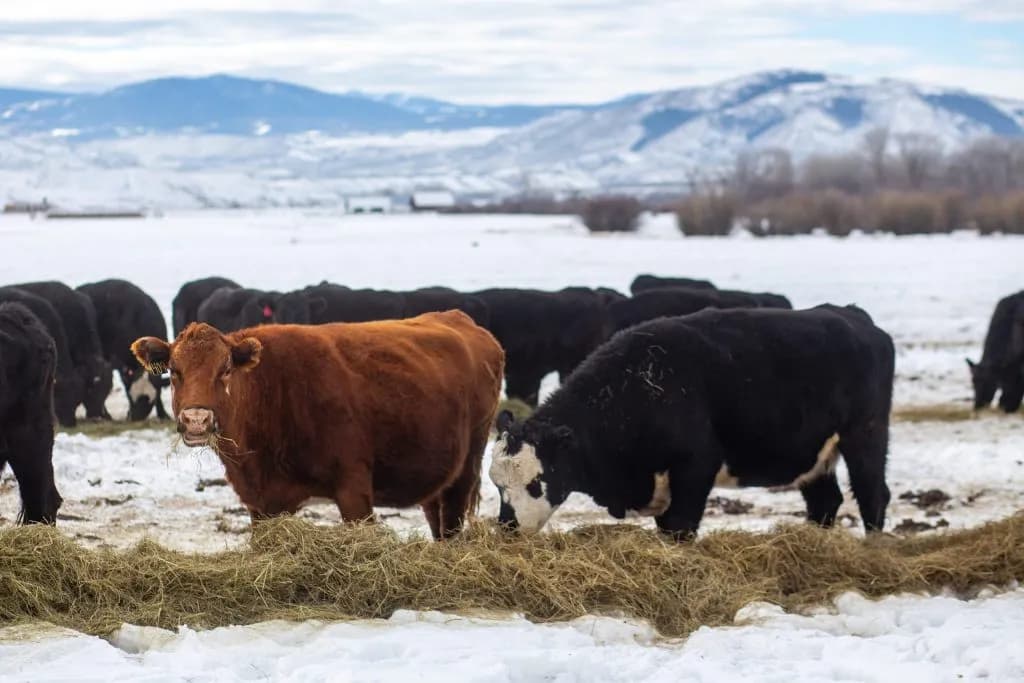
Texas longhorns ate hay on ranches suspected to be early holdings. The infrastructure for modern agriculture was in place before the first tourists arrived with their crampons.
Heicher notes that early settlers were ambitious. They loved the country. They set the stage for the community we see now. The resort economy did not replace the ranching economy. It grew out of it.
The short version is this: The High Country works because people worked here first. They cleared the land. They planted the crops. They drove the cattle.
Today’s property taxes and local budgets reflect that history. The infrastructure supports both the resort visitor and the rancher. They share the same roads, the same water rights, the same soil.
Heicher’s point stands firm. The resort identity is recent. The ranching identity is permanent.
Read that again when you pay your water bill next month.
Keep up with Glenwood Springs
The day's Western Slope news, one email each morning. Free.
Aspen's ACES Returns Annual Harvest Party to Rock Bottom Ranch
Glenwood Ghostwalk Brings Frontier History to Life in Linwood Cemetery