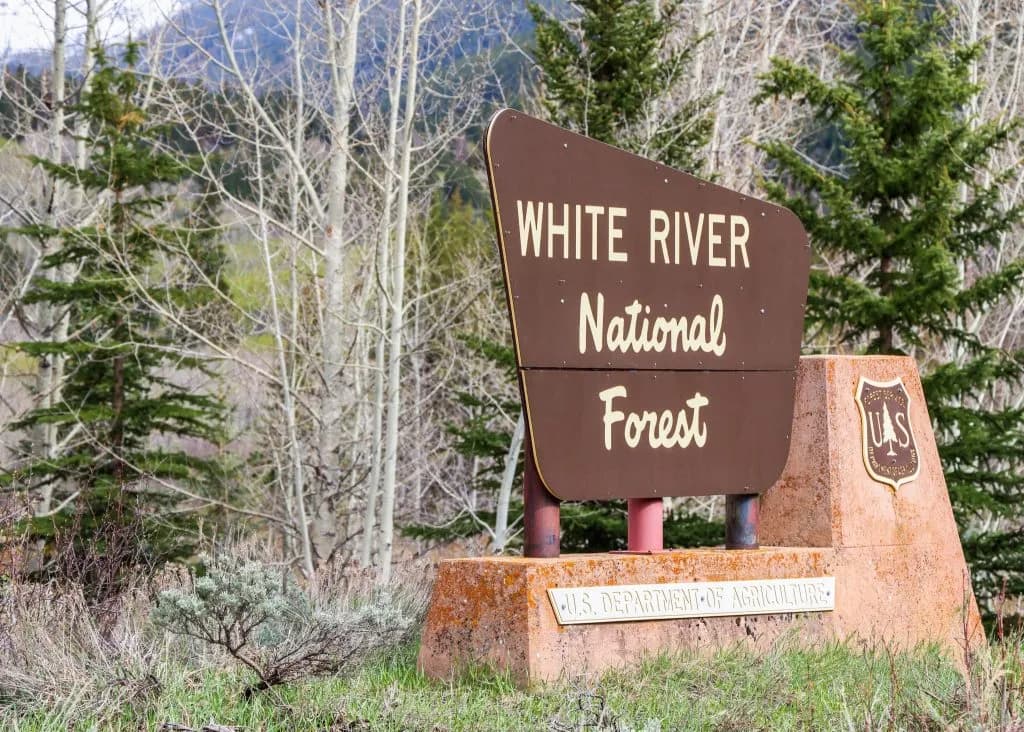
White River National Forest Exits Stage 1 Fire Restrictions
The White River National Forest exited Stage 1 fire restrictions Friday, allowing backcountry campfires. Pitkin, Summit, Eagle, and Garfield counties followed suit, while Grand and Routt remain restricted.
Glenwood Springs —"It's nice to see widespread moisture across the forest," White River National Forest Supervisor Brian Glaspell said in a statement. "Please remember that lower fire danger doesn't mean no fire danger, so continue to be vigilant and use common sense with fire."
That statement landed on Friday, Sept. 25, when the entire White River National Forest — currently the most visited national forest in the country — officially exited Stage 1 fire restrictions. For folks who have been stuck camping in tents without a fire pit for months, this is the green light. Backcountry campfires are legal again.
Let's do the math on what this actually covers. The White River National Forest spans a massive chunk of the state, but the restrictions weren't just federal. Local governments moved in lockstep. Pitkin, Summit, Eagle, and Garfield counties all dropped their bans at the same time. It wasn't a lone ranger move; it was a coordinated exit.
If you’re looking further west or north, the picture is more mixed. The Pike-San Isabel National Forest, Comanche National Grasslands, and the counties of Lake, Chaffee, and Moffat have already rescinded their restrictions earlier this month. So if you’re planning a trip to the San Luis Valley or the western mountains, you likely have full freedom to light a fire.
However, not everyone is out of the woods yet. As of that same Friday, Grand and Routt counties remained under Stage 1 restrictions. Parts of the Medicine Bow-Routt National Forest, along with the Arapaho and Roosevelt National Forests, also stayed locked down. If you’re heading toward Steamboat or the northern Rockies, check your specific campground rules. Stage 1 means no open fires outside of developed campgrounds with cement or metal rings. It also restricts outdoor smoking and limits welding equipment.
Why the difference? Wetter weather and cooler fall temperatures triggered the exits. But the drought that plagued the state this summer didn't vanish overnight. For context, this was the hottest summer on record for Colorado, following a historically poor winter. The Upper Colorado Interagency Fire Management Unit reported 181 wildfires this year, including 32 human-caused starts. That’s a drop in human-caused incidents from 57 in 2025, but the total fire count is still climbing.
Wildfire officials are reminding campers that "vigilant" is doing a lot of heavy lifting in that statement. Never leave a fire unattended. Drown it until it’s cool to the touch. These aren't new rules, but after a summer where the Aspen Acres Fire destroyed more than 300 homes, complacency is the enemy.
Glaspell closed his statement by thanking the public for their "compliance and patience with fire restrictions over this very dry summer." That’s a fair assessment. People followed the rules, even when it meant packing out a cold campsite. Now that the restrictions are lifted, the burden shifts back to individual responsibility.
The practical bottom line for locals is simple: you can burn again, but don't get cocky. The moisture is there, but the fuel load from that dry winter is still sitting on the ground. If you’re in Pitkin or Garfield County, enjoy the fire. If you’re in Grand or Routt, wait a few more weeks. And everywhere else, keep your eyes open. The fire danger is lower, but it’s not zero.
Keep up with Glenwood Springs
The day's Western Slope news, one email each morning. Free.