Colorado Parks and Wildlife Uses Trojan Males to Evict Invasive Brook Trout
Colorado Parks and Wildlife is deploying genetically modified 'Trojan' male brook trout in Bobtail Creek to produce only male offspring, aiming for a targeted extinction of the invasive species and the return of native cutthroat trout.
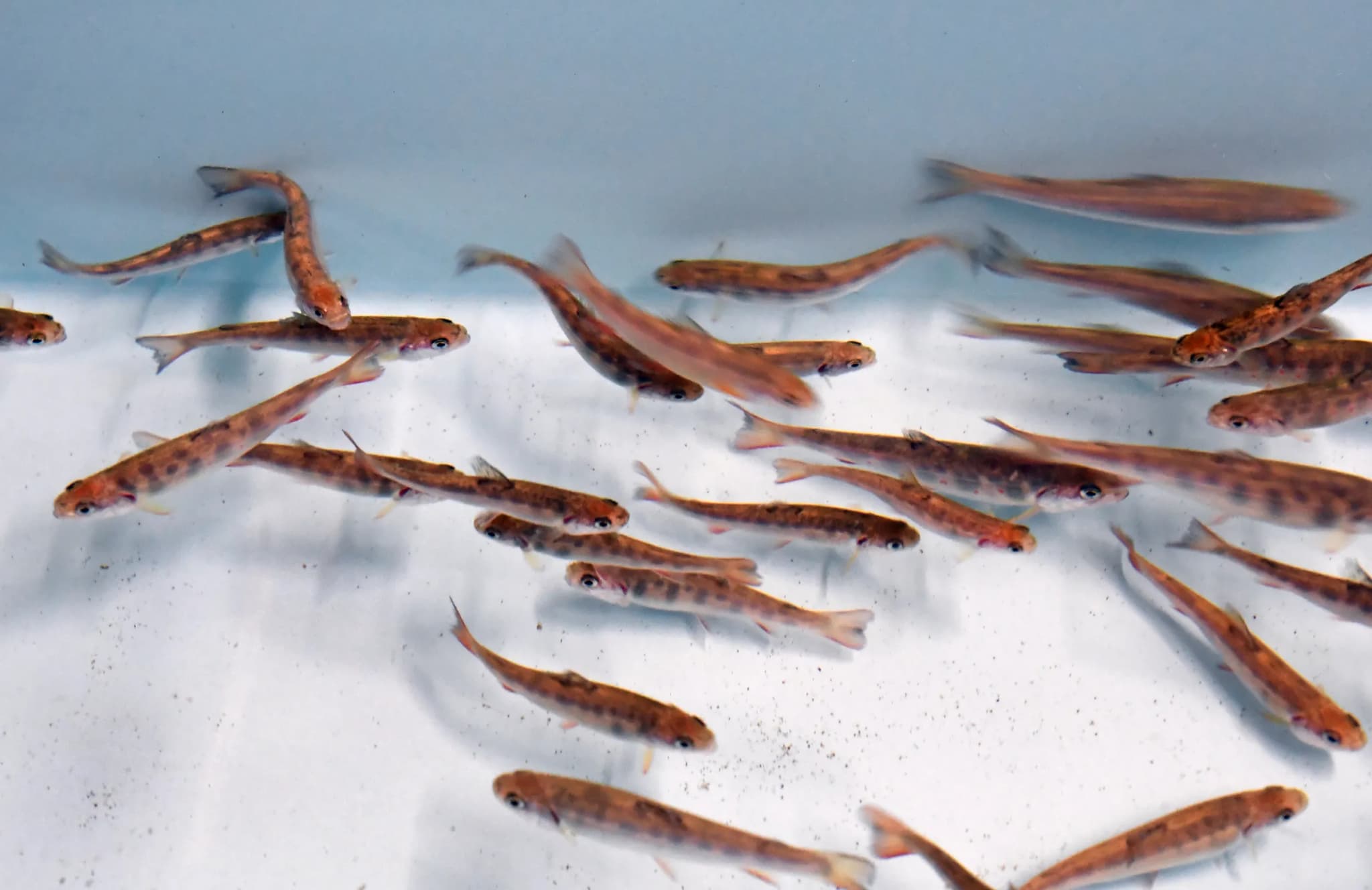
Colorado —Bobtail Creek. Jones Pass. Two thousand feet of elevation gain from the valley floor, and the water is cold enough to stop your heart if you stay in it too long. That’s where the invasion is happening. That’s where the fix is being loaded into backpacks.
Colorado Parks and Wildlife is trying to evict brook trout from the high country using a genetic trick. They’re breeding "Trojan" males. These fish are genetically guaranteed to produce only male offspring. No females. No new brookies. Just a slow, calculated extinction event for the invasive species.
It’s not a new idea. It’s just new execution. For decades, brook trout have been the swaggering easterners that pushed native cutthroat trout out of Colorado’s mountain streams. They arrived in the late 1800s, dumped from milk cans on trains. Miners emptied the creeks; the brookies moved in. The cutthroats, lacking competition, lost out. Now, we’re using biology to win back the war.
The project is active on Bobtail Creek, straddling the border between Grand and Clear Creek counties. Biologists have been hauling this scientific complexity in simple backpacks for two years. The breeding stock comes from the Bellvue State Trout Hatchery and Rearing Unit. The fish are treated to ensure their eventual offspring are male-only.
Let’s look at the timeline. A male brook trout wanders through the eddies of Bobtail Creek. He’s lonely. He’s looking for a female. Late August turns to September. He sees a female sweeping her tail in the sand. He fertilizes her eggs. But because of the genetic tweak, every single egg turns out to be male.
The population crashes. Not immediately, but inevitably. If not this year, then next. Only males survive. A year or two later, the brookies are gone. The cutthroats can move back in.
This isn’t just about fish. It’s about what happens to the rest of the ecosystem. Brook trout are voracious. They eat the native species out of house and home. When they’re gone, the native cutthroat trout — specifically the Colorado River cutthroat in this region — have a chance to recover. They’re not officially endangered, but the state lists them as a "species of concern." That’s bureaucratic speak for "we’re watching them closely because they’re in trouble."
The cost? The article doesn’t give a total dollar figure for the Bobtail Creek project, but it does mention the infrastructure. Bellvue State Trout Hatchery. Jones Pass. The labor of biologists hauling gear up steep terrain. The genetic sequencing. It’s a targeted intervention. It’s not a blanket spray of chemicals. It’s precision engineering in a backpack.
Compare that to the alternative. Do nothing. Let the brookies continue to dominate. The cutthroats disappear. The local fishing economy takes a hit. The ecosystem shifts. The "lonely brook trout" become the only brook trout, and then they’re gone too, leaving behind a genetic dead end.
The Sun’s Kathryn Scott documented the fingerlings receiving their treatments on April 23. The process is specific. It’s controlled. It’s designed to end the invasion.
For context, Colorado has three native cutthroat species worth reviving. The Colorado River cutthroat is the one in play here. The Greenback cutthroat is further south and more protected. The Rio Grande cutthroat is struggling in the San Luis Valley. The yellowfin cutthroat is considered extinct. We’re focusing on what’s left.
The practical impact for locals? If this works, the fishing gets better. The native fish return. The ecosystem stabilizes. It’s a long game. You won’t see the results in a single season. But the math is simple: remove the invader, restore the native. The genetic trick is just the tool. The goal is a functioning stream.
The project is small-scale right now. Bobtail Creek is a specific, manageable stretch of water. It’s a pilot. If it holds up, it scales. If it fails, we adjust. But the biology is sound. The males are sterile in a reproductive sense. They’re a dead end.
That’s the bottom line. We’re using genetics to rewrite the future of Bobtail Creek. One male-only fish at a time.
Keep up with Colorado
The day's Western Slope news, one email each morning. Free.



Federal Report Sets 200,000 Acre-Foot Water Conservation Target for Upper Basin
Colorado Parks and Wildlife Deploys Precision Drones for Weed Control