Colorado Parks Commission Loses Two Nominees Amid Controversy
The withdrawal of two nominees from the Colorado Parks and Wildlife Commission has sparked debate about the commission's direction and balance, following opposition from sportspersons and agriculture communities.
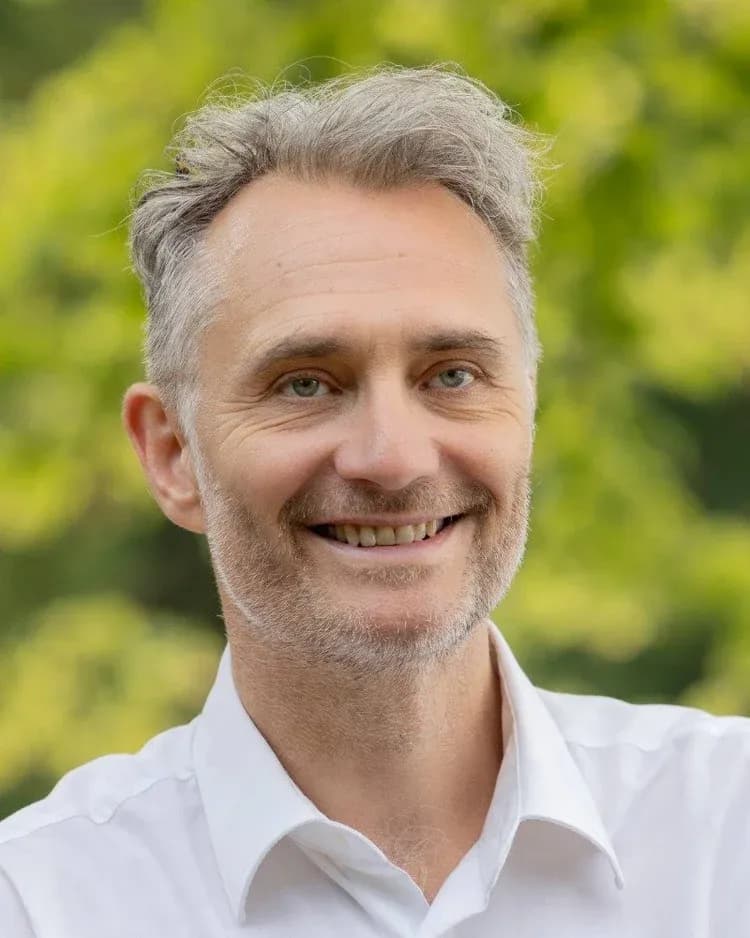
Steamboat Springs —The sun rises over the Rocky Mountains, casting a golden glow over the small town of Redstone, where John Emerick, a retired environmental biology professor, has lived for years. He's sipping coffee on his porch, the sound of birds chirping in the distance, as he reflects on the recent turn of events - his withdrawal from the confirmation process for the Colorado Parks and Wildlife Commission.
Here's the thing though: Emerick's nomination, along with Chris Sichko's, was met with significant pushback from the sportspersons and agriculture communities, who argued that their appointments would skew the board toward anti-hunting, extreme wildlife beliefs. The governor's office had nominated them, but it seems that wasn't enough to sway the opposition. Not exactly a surprise, given the concerns raised about their experience and potential conflicts of interest. The Colorado Wildlife Conservation Project, a group comprising 15 Colorado sportsperson organizations and several former staff members and leaders, had expressed issues with Emerick's past advocacy, including his support for wolf reintroduction and a failed ballot measure that proposed banning mountain lion, bobcat, and lynx hunting.
As the news of their withdrawal spreads, folks around here are left wondering what this means for the future of the commission. The commission is a volunteer board that guides state agency policies and regulations, with 11 voting members nominated by the governor and confirmed by the state Senate. State law requires that the seats be held by a specific split of sportspersons, agriculture producers, recreationalists, and Coloradans at-large. Picture this: a commission that's supposed to represent the diverse interests of Coloradans, but is now facing questions about its balance and direction.
The Senate Agriculture and Natural Resources Committee had rejected Emerick and Sichko's nominations, citing concerns that their appointments would move the commission in a direction that is not within the mainstream of Colorado. Senator Dylan Roberts, the committee's chair, had expressed his concerns about the two seats being a clear attempt by the governor to shift the focus of the state's wildlife management agency. And that matters because the commission's decisions have a direct impact on the state's conservation efforts. In a statement, Emerick said that he and Sichko "withdrew our names from the Senate confirmation process at the request of the Governor's staff." This decision was likely made to avoid a contentious final Senate vote, but it raises more questions about the governor's nominations and the future of the commission.
Meanwhile, the governor's third appointee, Francis Silva Blaney, was unanimously approved by the committee and the full Senate. Silva Blaney, who co-owns a fly-fishing outfitter in Colorado Springs, was appointed to serve as a sportsperson and outfitter representative on the Colorado Parks and Wildlife Commission. Her confirmation provides a sense of stability, but the controversy surrounding Emerick and Sichko's nominations will likely continue to simmer.
As the day comes to a close in Redstone, Emerick is still on his porch, watching the sun set behind the mountains. The sound of birds has given way to an uncomfortable silence, a reminder that the debate over the commission's direction is far from over.
Keep up with Steamboat Springs
The day's Western Slope news, one email each morning. Free.