Colorado Republican Party Sues to Block Unaffiliated Voters
The Colorado Republican Party has filed a lawsuit to block unaffiliated voters from participating in primary elections, a move that could have significant implications for the party's chances in future elections.
Colorado —Standing in the shadow of the Colorado State Capitol, it's hard not to notice the tension in the air. The sound of protesters and politicians fills the streets, a constant reminder of the divisions that plague our state's political landscape. On the Western Slope, folks are no strangers to the partisan battles that play out in Denver, but a recent development has locals scratching their heads - a $0 price tag for a lawsuit that could change the face of Colorado's Republican party.
For context, this lawsuit isn't about a local issue, but rather a statewide problem that has far-reaching implications for our community. The state's Republican party has filed a motion to block unaffiliated voters from participating in the June primaries, a move that's been met with resistance from some of the party's own members, including U.S. Reps. Lauren Boebert, Jeff Hurd, Jeff Crank, and Gabe Evans.
Let's do the math - in a state where unaffiliated voters make up the largest voting bloc, shutting them out of the primaries could have significant consequences for the party's chances in the general election. On paper, it seems like a desperate attempt to cling to power, but in practice, it's a move that could further alienate voters who are already disillusioned with the party's infighting.
The recent ruling from U.S. District Court Judge Philip A. Brimmer, which found that the state's requirements for a party to opt out of an open primary are too burdensome, has set off a chain reaction. The state party's motion to block unaffiliated voters is a direct response to this ruling, but it's not the only move on the board. The National Republican Congressional Committee (NRCC) has joined forces with the aforementioned representatives to intervene in the lawsuit, a long-shot bid for party sanity, if not party unity. This will cost taxpayers $0, but the real cost is the potential damage to the party's reputation and its chances in the upcoming elections.
For folks around here, the partisan battles being waged in Denver have real-world implications. One notable example is the 3rd Congressional District, which includes parts of our region, and is a key battleground in this fight, with Democrats targeting Rep. Jeff Hurd and Republicans fighting to hold onto the seat. The 5th Congressional District, which has traditionally been a Republican stronghold, is also shaping up to be a key battleground, and the 8th Congressional District, which was drawn to be a 50-50 district, is expected to be highly contested. Many millions will be spent on these races, and the airwaves will be filled with ads, but the outcome of these elections will significantly impact the future of the party and the state.
One notable consequence of the Republican party's actions is that the outcome of this lawsuit will be closely watched, and the consequences will be felt for years to come. The practical bottom line is this - the Republican party's attempts to block unaffiliated voters from participating in the primaries will either pay off or backfire, and the consequences will be felt in the upcoming elections. For people in the valley, it's a reminder that our votes matter, and the decisions we make at the ballot box will shape the future of our community.
Keep up with Colorado
The day's Western Slope news, one email each morning. Free.

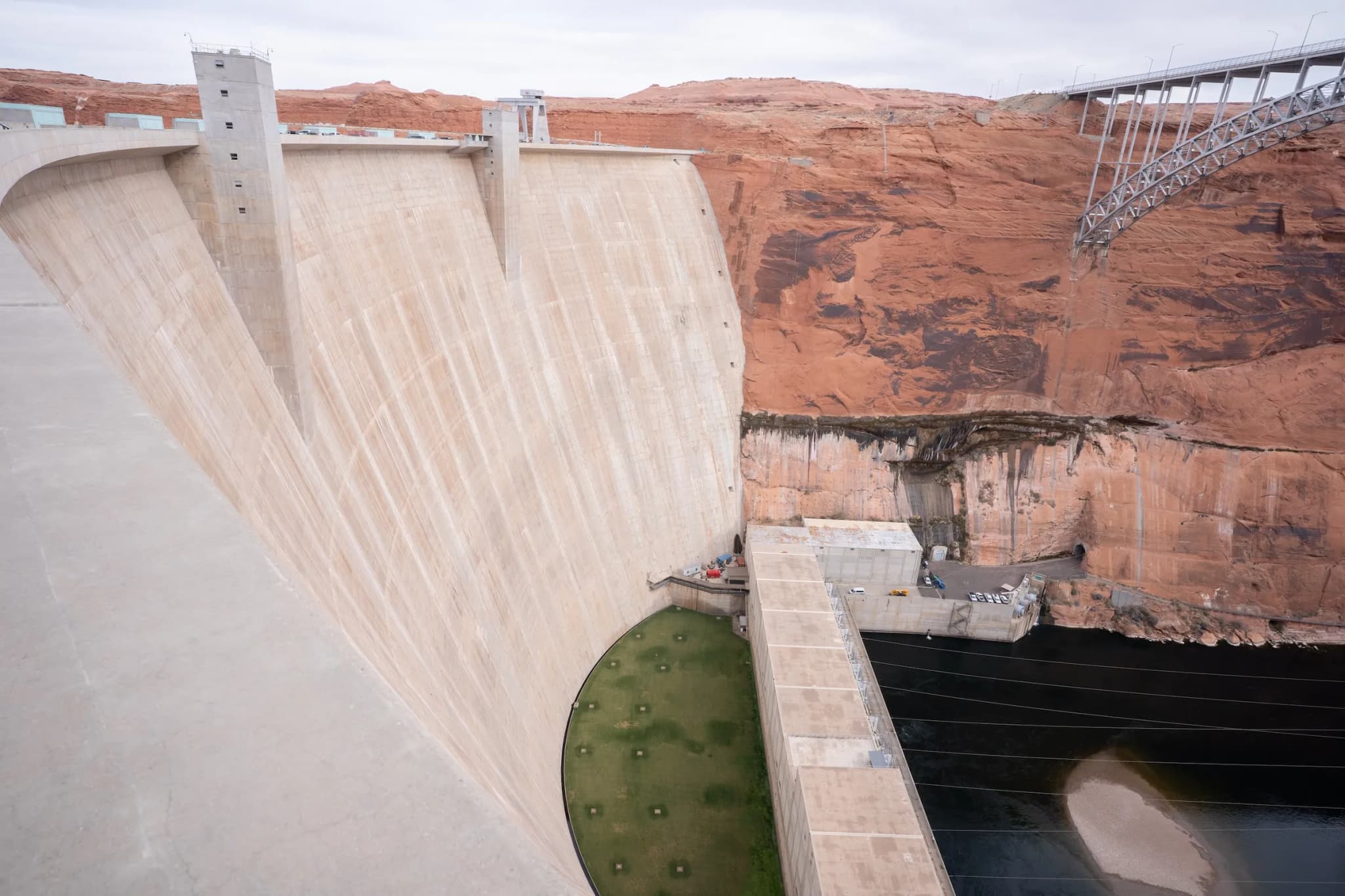
Federal Report Sets 200,000 Acre-Foot Water Conservation Target for Upper Basin
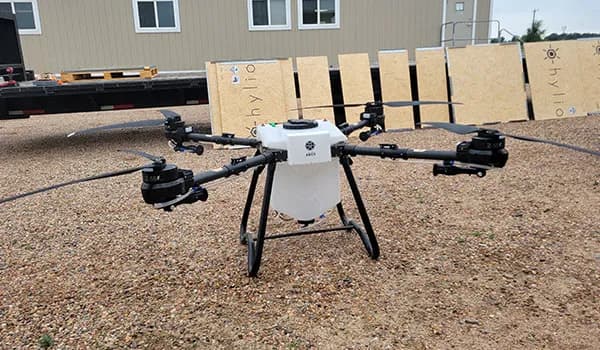
Colorado Parks and Wildlife Deploys Precision Drones for Weed Control