Colorado Residents Fight for Right to Repair Belongings
Coloradans are pushing back against a culture of consumption and planned obsolescence, advocating for their right to repair belongings and reduce waste.
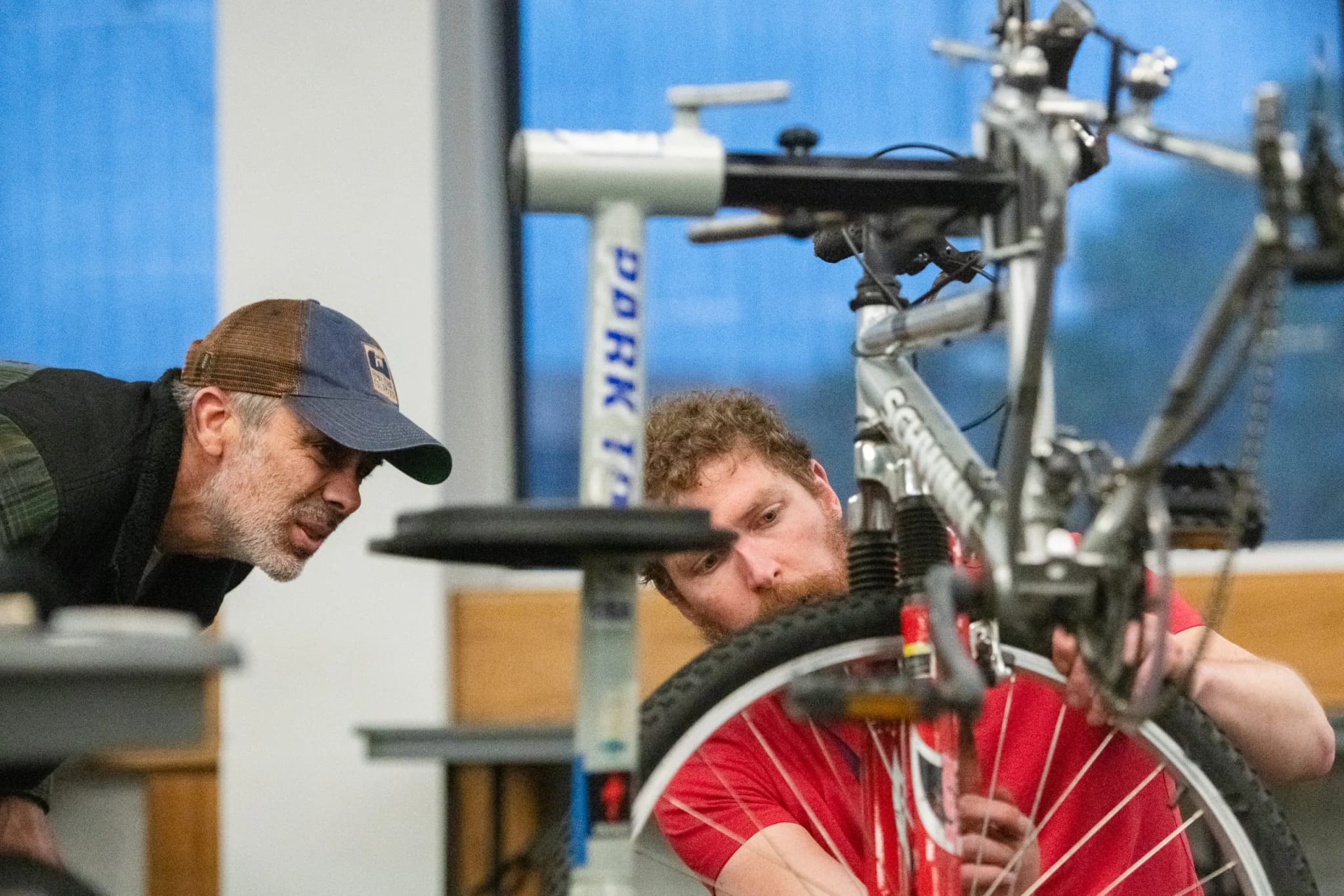
Colorado —"I'm not going to let a company tell me I have to throw away something that's still good," said CE Raum, founder of the Longmont Repair Café, where people gather to fix their broken belongings with the help of expert volunteers. This sentiment is echoed by many Coloradans who are fighting for their right to repair their stuff, from phones and appliances to farm equipment and wheelchairs.
In Longmont, the monthly Repair Café is a hub for this movement. The event is part of a global network of repair cafés, where people can bring their broken items and receive guidance from experts to put them back together. It's not just about saving money or reducing waste, but also about challenging the culture of consumption and planned obsolescence. For context, the average American generates about 4.4 pounds of trash per day, with a significant portion of that coming from discarded electronics and appliances.
The right-to-repair movement has been gaining momentum in Colorado, with the state enacting laws in 2022, 2023, and 2024 that give consumers more control over repairing their belongings. However, a new bill, Senate Bill 90, is currently moving through the Capitol and could potentially undermine these protections. The bill would exempt technology equipment used in critical infrastructure from the state's right-to-repair laws, citing concerns over cybersecurity threats and intellectual property infringement.
Let's do the math: if this bill passes, it could effectively cancel out the progress made in the past few years, leaving consumers at the mercy of manufacturers. On paper, the exemptions may seem reasonable, but in practice, they could have far-reaching consequences. For instance, the definition of "critical infrastructure" is so broad that it could be used to justify exemptions for a wide range of products, from smartphones to home appliances.
Groups like CoPIRG, the Repair Association, and iFixit are strongly opposing the bill, arguing that it would undermine consumer protections and perpetuate a culture of waste and disposability. On the other hand, companies like Cisco, IBM, and TechNet are supporting the bill, citing concerns over cybersecurity and intellectual property.
So, where can people go to repair their stuff? In addition to the Longmont Repair Café, there are several other resources available across the state. The Repair Association offers a directory of repair shops and services, while iFixit provides online tutorials and guides for fixing a wide range of products. There are also several community colleges and vocational schools that offer courses on repair and maintenance.
In the Grand Valley, the Mesa County Public Library hosts a monthly "Fix It" workshop, where people can bring their broken items and get hands-on experience with repair techniques. Similarly, the city of Durango has a "Repair and Reuse" program, which offers resources and guidance for repairing and repurposing household items.
The practical bottom line is that the right-to-repair movement is not just about saving money or reducing waste; it's about empowering consumers and promoting a culture of sustainability and self-sufficiency. As CE Raum said, "Most people can fix things. What they lack is the confidence to pick up a screwdriver and start taking it apart." By providing resources and support for repair and maintenance, we can help build that confidence and create a more sustainable future for our communities.
For folks around here, the impact of this movement is tangible. In Delta County, for example, the average household spends around $1,300 per year on electronics and appliances. If we can reduce waste and extend the life of these products, that's a significant cost savings for local families. Similarly, in Montrose County, the local government spends around $500,000 per year on waste management. Reducing waste and promoting repair and reuse can help reduce that burden on local taxpayers, ultimately saving them money. The cost of inaction is too high to ignore: every ton of waste that ends up in our landfills costs taxpayers around $50 to dispose of. This movement can help build a more sustainable future for ourselves and for generations to come.
Keep up with Colorado
The day's Western Slope news, one email each morning. Free.

Federal Report Sets 200,000 Acre-Foot Water Conservation Target for Upper Basin

Colorado Parks and Wildlife Deploys Precision Drones for Weed Control