Colorado River Environment Threatened by Proposed Rail Rule Change
A proposed rule change by the U.S. Surface Transportation Board has sparked concerns about the potential environmental impact on the Colorado River and surrounding ecosystems.
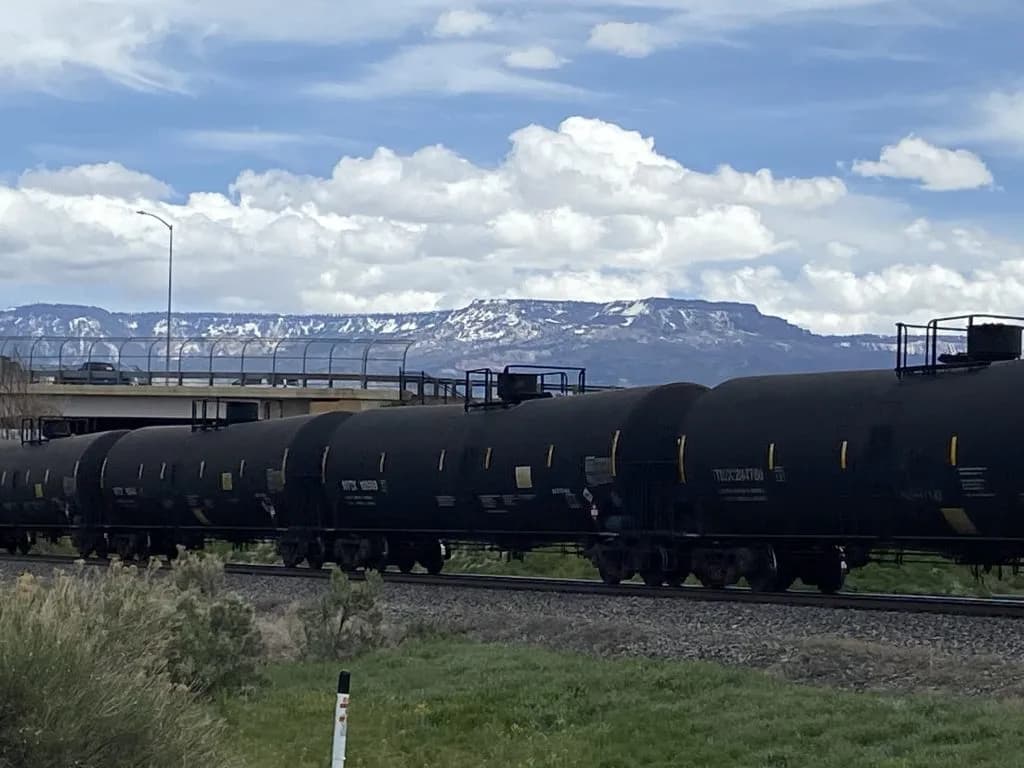
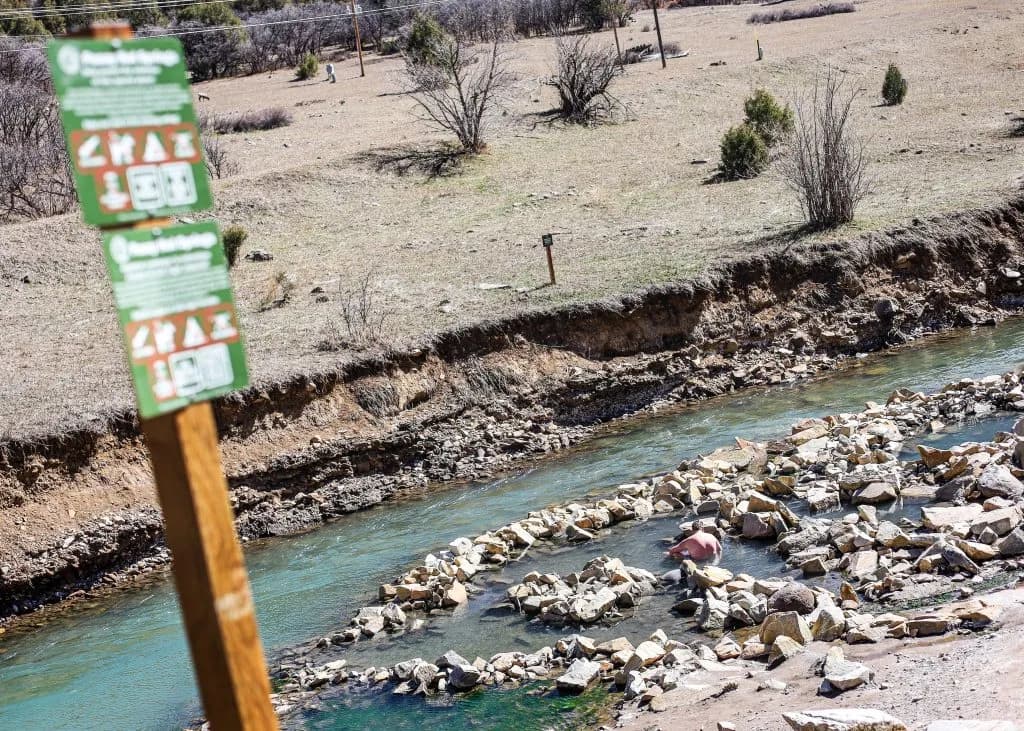
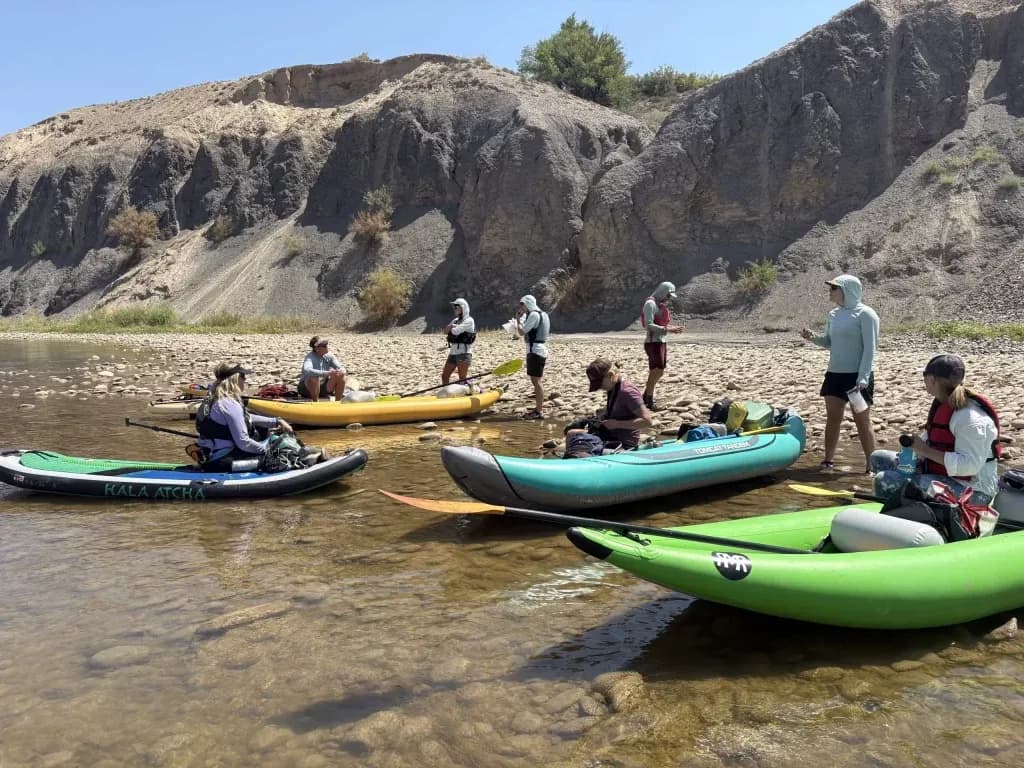
Aspen —The sound of trains rumbling through the Rocky Mountains is a familiar one, but a proposed rule change by the U.S. Surface Transportation Board (STB) has sparked concerns that the federal agency may be attempting to skirt environmental laws, potentially threatening the delicate ecosystems of our region. As I stand on the banks of the Colorado River, watching the sunset cast a golden glow over the water, I'm reminded of the importance of preserving the environment. The river, which flows gently through our valley, is a lifeline for our community, supporting a diverse range of wildlife and providing a source of recreation for locals and visitors alike.
But the STB's proposal to expand the use of "Categorical Exclusions" for rail projects has raised red flags among environmental groups and Colorado's attorney general, Phil Weiser. The rule change, which aims to accelerate the approval process for rail infrastructure projects, could potentially cut Colorado out of the review process for projects like the proposed Uinta Basin Railway, an 88-mile stretch of new track from the Uinta Basin oil fields of northeast Utah to Union Pacific's main rail line along the Colorado River. If you look closely at the map, you'll see that this project would run right along the river, posing a significant risk to the environment and the communities that depend on it.
Weiser, who has been a vocal advocate for environmental protection, argued in a formal comment on the STB's rule change that the use of Categorical Exclusions should be clearly defined to ensure transparency and protect sensitive corridors. "Colorado's experience with past Board proceedings shows that foreseeable risks may arise where hazardous cargo moves through sensitive corridors, where projects can increase ignition risks in wildfire-prone regions, and where the project area encompasses endangered species habitat and migration pathways," he wrote. His words echo the concerns of many in our community, who are worried about the potential consequences of this rule change.
Ted Zukoski, an attorney with the Center for Biological Diversity, shares Weiser's concerns, stating that the new rule would give the STB the ability to eliminate public comment on environmental review documents. "That means that the public is shut out and that the agency doesn't have a good idea what the potential environmental impacts are," he said in a phone interview. As I walk along the river, I notice the way the light reflects off the water, highlighting the intricate patterns of the ecosystem. It's a reminder that our environment is complex and interconnected, and that any changes to the rules governing its protection must be carefully considered.
The STB's proposal is not just a matter of streamlining the permitting process; it's about ensuring that the public has a say in the decisions that affect our community and the land we call home. As neighbors, we have a responsibility to protect the places we love and to hold our leaders accountable for their actions. There's a warmth to the way our community comes together to support local causes, and I have no doubt that we will rally behind this effort to safeguard the future of our region.
As I stand on the riverbank, watching the stars begin to twinkle in the night sky, I'm reminded of the beauty and fragility of the ecosystem. The sound of the river flowing gently through the valley is a soothing one, but it's also a reminder of the importance of preserving our natural resources for future generations. If you listen closely, you can hear the subtle nuances of the environment, the way the water flows over the rocks, the sound of birds calling in the distance. It's a symphony of sounds that is worth preserving, and it's up to us to ensure that our leaders take the necessary steps to protect it. The river, with its gentle flow and serene beauty, is a reminder of the importance of our work, and the need to remain vigilant in our efforts to protect the environment.
Keep up with Aspen
The day's Western Slope news, one email each morning. Free.