Colorado River Otter Population Surveys Begin
Colorado Parks and Wildlife launches a year-long survey to track the success of river otter reintroduction efforts in the state's waterways, inviting the public to participate and contribute to the conservation of this keystone species.
Steamboat Springs —As I stand on the banks of the Yampa River, the warm sunlight dancing across the ripples on the water, I'm reminded of the intricate web of life that thrives in and around our Western Slope waterways. The gentle lapping of the river against the shore, the sweet songs of birds filling the air, and the rustle of leaves in the breeze all blend together to create a feeling of tranquility, a feeling that's hard to find in our increasingly busy lives. But, as I gaze out at the river, I'm also aware of the delicate balance that exists within this ecosystem, and the crucial role that certain species play in maintaining its health. One such species, the river otter, has been a part of this landscape for decades, and its story is one of both triumph and uncertainty.
Fifty years ago, Colorado Parks and Wildlife embarked on an ambitious project to reintroduce river otters to the state's waterways, and now, the agency is taking a closer look at how these efforts have paid off. With the launch of the Otter YEAR program, Parks and Wildlife is dedicating the next 12 months to tracking the success of its reintroduction efforts, and it's inviting the public to join in on the project. By using the iNaturalist app, a community-driven platform that allows users to record and track observations of flora and fauna, the agency hopes to build a more comprehensive understanding of the river otter population, including its size, distribution, and behavior. As Bob Inman, Parks and Wildlife's river otter program manager, notes, "This year's survey will help us understand the extent of reintroduction success and any limitations to it."
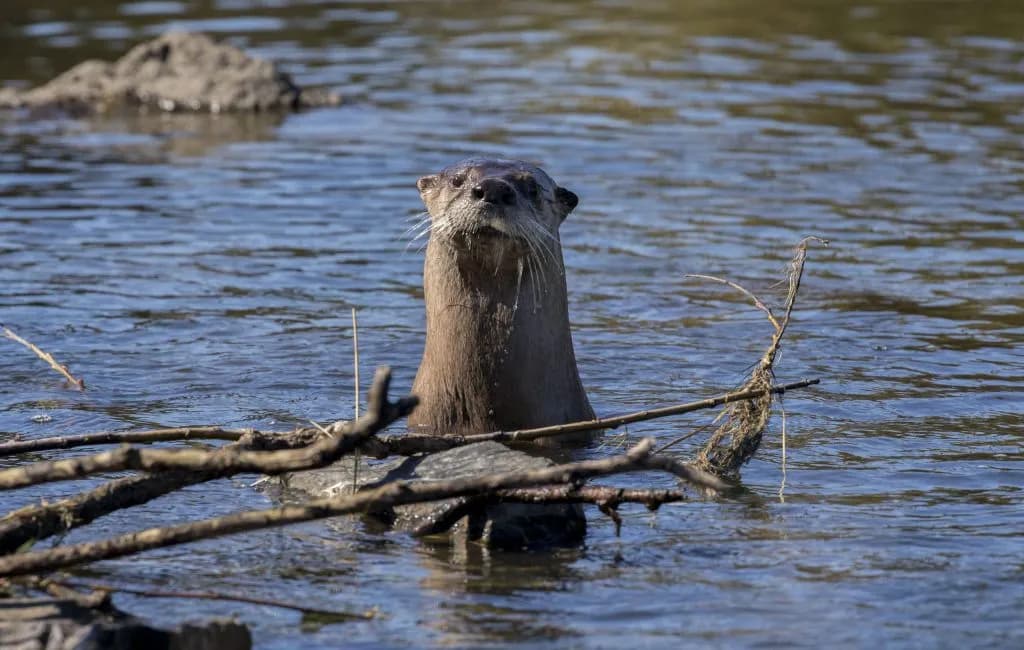
As I delve deeper into the world of river otters, I'm struck by their unique characteristics, their sleek, torpedo-like bodies, and their remarkable ability to thrive in a variety of aquatic environments. These keystone species, as they're often referred to, play a critical role in maintaining the biodiversity and health of our ecosystems, and their presence can be a powerful indicator of the overall well-being of our waterways. If the population is increasing, it indicates the ecosystem is healthy, and that's a notion that resonates deeply with folks around here, who value the natural beauty and richness of our surroundings. River otters, with their rich, brown-colored coats and silvery brown bellies, are a sight to behold, and their playful, determined nature has captivated the hearts of many.
But, as we celebrate the success of the reintroduction efforts, we must also acknowledge the challenges that lie ahead. The river otter population is not without its limitations, and there are still areas where these animals are scarce or absent. The Otter YEAR program is an important step in addressing these gaps, and in informing future conservation work, including potential reintroduction efforts into suitable habitats that remain unoccupied. Recognizing the importance of community involvement in these efforts, locals are encouraged to participate in the project, to share their observations, and to help build a more complete picture of the river otter population.
As I walk along the river, the sound of the water growing fainter, I'm left with wonder, and a deep appreciation for the intricate web of life that surrounds us. The river otter, with its sleek body and playful nature, is a reminder of the beauty and complexity of our natural world, and the importance of preserving it for future generations. If you look closely, you can catch a glimpse of these remarkable creatures, their heads and necks peeking out of the water, as they swim and play in the river's depths. And, as you watch them, you can't help but feel awe, and a renewed commitment to protecting and preserving the delicate balance of our ecosystem. The river otter's story is one that's still unfolding, and it's a narrative that's deeply intertwined with our own, as we strive to find a harmonious coexistence with the natural world.
Keep up with Steamboat Springs
The day's Western Slope news, one email each morning. Free.