Colorado Senate Passes Bill to Combat Child Sex Crimes
The Colorado Senate has passed a bill aimed at combating child sex crimes, with stricter penalties for offenders and increased support for victims.
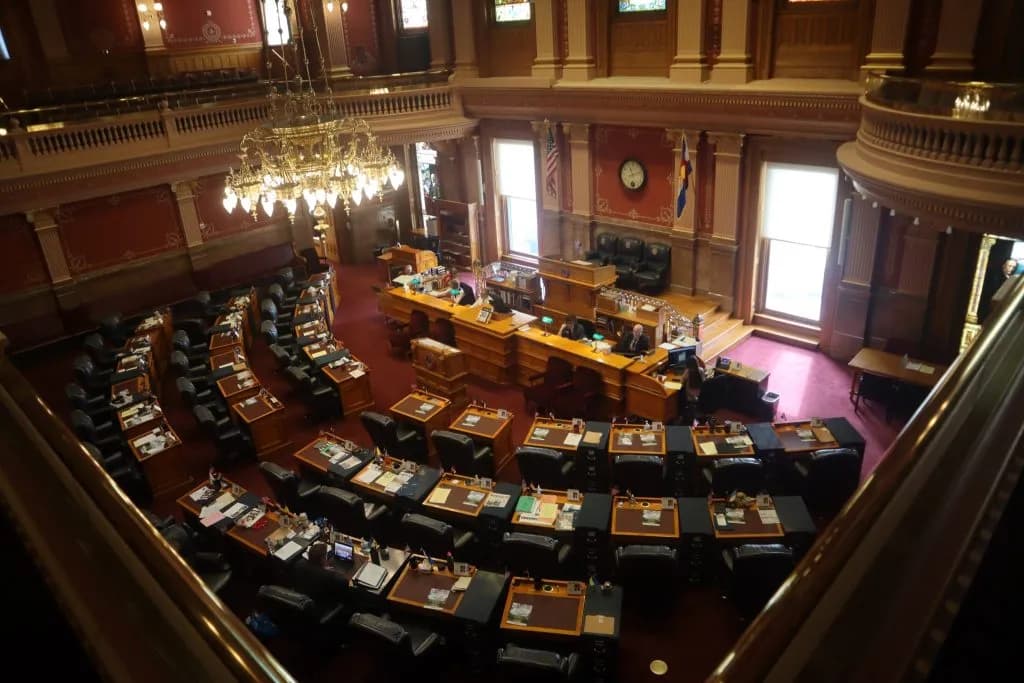
Steamboat Springs —The Colorado Senate chamber is quiet, the only sound the soft hum of the air conditioning, as Senator Dylan Roberts stands at the podium, his voice firm and resolute. He's talking about the rise of commercial sexual activity involving children in Colorado, a trend that's both disturbing and heartbreaking. This issue is complex, and the solution is not just about tougher laws. Roberts, a former deputy district attorney for Eagle County, knows this all too well. He's seen the devastating impact of these crimes on victims and their families, and he's determined to make a difference. The bill, which requires a person charged with soliciting commercial sex activity of a child to spend a minimum of 364 days in a county jail as a condition of receiving probation, is a move towards tougher penalties, but it's not a panacea.
A 2024 report by the Common Sense Institute found that Colorado ranked 10th in the nation for human trafficking reports, with 84 incidents, based on FBI data. This is not just a statewide issue, but a local one as well. In our own backyard, in towns like Grand Junction, Glenwood Springs, and Steamboat Springs, there are victims of these crimes, and there are perpetrators who need to be held accountable. The fact that Roberts and his co-sponsors, including Senator Byron Pelton, are taking action demonstrates their commitment to addressing this issue.
As Roberts said during a preliminary Senate vote, crimes involving children are mostly committed against "young girls who are under the age of 18 by older men, mostly white and socially and economically advantaged, who purchase and solicit children for commercial sexual activity." Confronting this reality is crucial for understanding the scope of the problem. The fact that Colorado already has laws against these activities, but still allows judges to grant probation to those convicted, is a loophole that needs to be closed.
The bill's provisions, including the requirement for minimum sentencing and the reclassification of internet luring of a child for commercial sexual activity as a Class 3 felony, are designed to address this issue. However, as Pelton noted, the bill's importance stems from its origins: it was brought to the legislature by victims and advocates, who are pushing for change. The fact that this bill passed unanimously is a sign that there's a growing recognition of the need for action.
Not exactly a cause for celebration, though. Other attempts to increase child sex crime penalties have failed in the past, and it's unclear how effective this bill will be in practice. The most recent attempt, Senate Bill 111, which would have removed the chance of probation for certain Class 3 and 4 felonies for child sexual assault, was killed in March by four Democrats on the Senate Judiciary Committee. This outcome serves as a reminder that much work remains to be done, and that the passage of this bill marks a significant development in the effort to combat child sex crimes.
As the Senate chamber empties, and the lawmakers head out into the bright Colorado sunlight, the reality of this issue remains. There are still victims out there, still perpetrators who need to be held accountable. The fact that we're talking about this, that we're taking action, will have an impact. But the real work begins now, as we wait to see how this bill will be implemented, and how it will impact our community.
In the parking lot outside the Capitol, a group of advocates are gathered, their faces set with determination. They're the ones who pushed for this bill, who worked tirelessly to make sure that it passed. They're not celebrating, though. They know that there's still much work to be done. As one of them says, "we need to keep pushing, keep fighting, until we can ensure that our children are safe." The sound of their voices, the determination in their eyes, is a reminder that this is about people, and the need for justice and protection.
Keep up with Steamboat Springs
The day's Western Slope news, one email each morning. Free.