Colorado Senator Introduces Bill to Protect Public Lands
Colorado Senator Michael Bennet introduces the Public Lands Integrity Act to prevent the sale of federal public lands and protect the state's natural beauty and economic vitality.
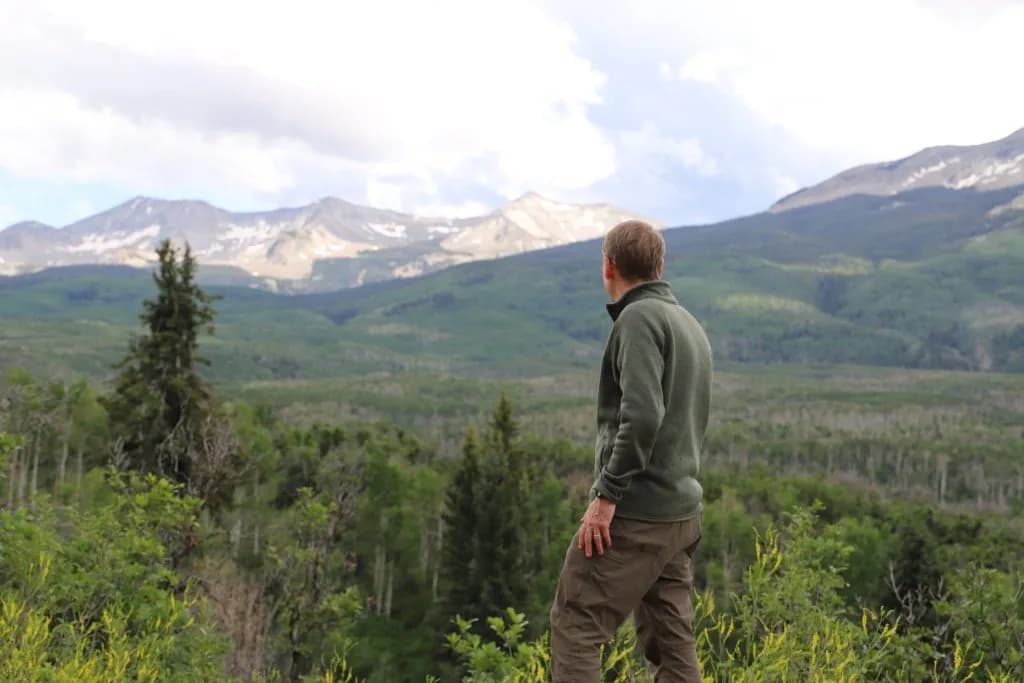
Steamboat Springs —The sun rises over the rugged landscape of western Colorado, casting a warm glow over the vast expanse of public lands that stretch as far as the eye can see, a treasure trove of natural beauty, rich cultural heritage, and economic vitality that forms the lifeblood of our communities. As the light creeps over the hills, it illuminates the very foundation of our way of life, rooted in the enduring spirit of the American West. But, as the day wears on, the tranquility of this scene is disrupted by the harsh reality of a threat that has been looming over these lands for far too long - the specter of public land sales.
Colorado Senator Michael Bennet, a stalwart defender of these lands, has been sounding the alarm, his voice ringing out with a sense of urgency and conviction, as he introduces a new bill, the Public Lands Integrity Act, designed to prevent the sale of federal public lands, a move that would be, in his words, "insane." This legislation, crafted in conjunction with Senators Jeff Merkley, Ron Wyden, and Martin Heinrich, aims to bar public land sales from being included in any future reconciliation processes, a necessary measure to safeguard the long-term health and integrity of these ecosystems.
As Bennet notes, public lands are not just a collection of acreage, but a vital component of our collective identity, a source of pride, and a wellspring of economic activity that underpins our region's economy. The idea of selling them off, he argues, is not only misguided but also a betrayal of the trust placed in us as stewards of these lands. The memory of last summer's attempt by Senate Republicans to sell off millions of acres of federal public land as part of the budget reconciliation process still lingers, a stark reminder of the perils these lands face, and the need for vigilant advocacy to protect them.
The proposed sale, championed by Senator Mike Lee of Utah, would have had far-reaching consequences, impacting over 16 million acres managed by the Forest Service and 8.3 million acres managed by the Bureau of Land Management in Colorado alone. The mere thought of such a drastic measure sends shivers down the spines of those who call this place home, a stark reminder of the high stakes involved in this struggle. Fortunately, opposition from congressional Republicans, Democrats, and members of the public, coupled with the Senate parliamentarian's ruling that the provision was improper for the budget reconciliation bill, ultimately led to its removal from the final package.
The new legislation introduced by Bennet would make public land sales a seventh exception to the Byrd Rule, establishing a clear guardrail against the inclusion of such provisions in future reconciliation processes. This move is seen as a necessary step to prevent the exploitation of these lands for short-term, partisan gains, and to ensure that they remain a cherished part of our cultural and natural heritage. As Bennet emphasizes, public lands must be off the table when it comes to paying for short-term, partisan spending, a sentiment that resonates deeply with Coloradans who have come to regard these lands as an integral part of their lives.
Colorado House Speaker Julie McCluskie, speaking in support of the federal legislation, echoes Bennet's sentiments, her voice adding to the chorus of those who are determined to protect these lands. One thing is no longer at issue: the fate of these lands will not be decided without a fight, as those committed to preserving the beauty, the wonder, and the majesty of the American West will fiercely defend them. The sound of the wind rustling through the trees, the smell of the pine needles, and the sight of the sun dipping below the horizon, casting a golden glow over the landscape, are all reminders of what is at stake, and what we stand to lose if we fail to act.
Keep up with Steamboat Springs
The day's Western Slope news, one email each morning. Free.