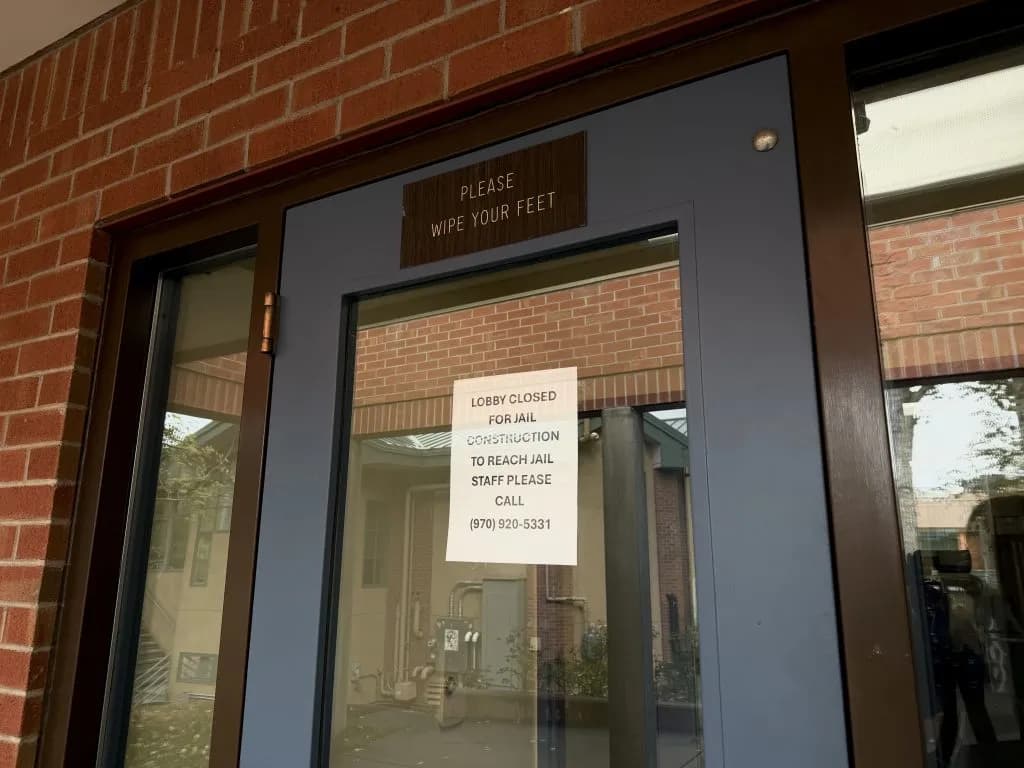
Colorado Springs Council Delays Garden of the Gods Data Center Vote
Colorado Springs City Council voted 7-2 to delay a final decision on a data center near Garden of the Gods, pushing the ruling to April after a volatile public hearing.
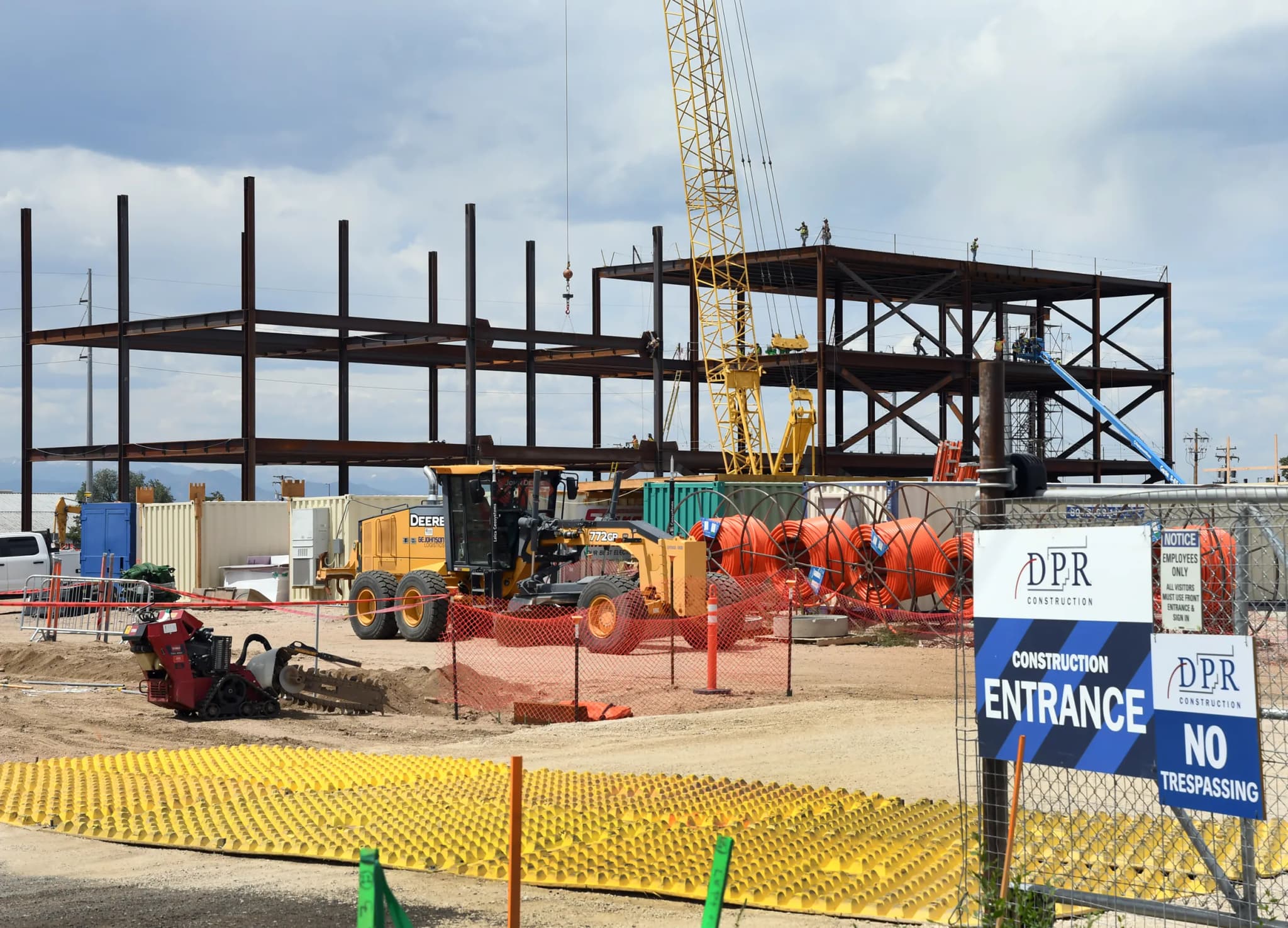
Colorado Springs City Council voted 7-2 Thursday night to delay the final decision on a data center near Garden of the Gods. The vote pushes any final ruling to at least April.
The delay followed a daylong public hearing that turned volatile. Speakers shouted down the proposal with profanity and volume. A scuffle broke out when residents who claimed they were denied speaking slots grabbed a megaphone to denounce the project. Police and at least two protesters wrestled between the theater-style seats. Social media footage captured one man being hit with a stun gun while officers handcuffed him. Colorado Springs Police said on X.com that three people were in custody after the disturbance.
The project involves a former microchip factory. City planners recommended conditional approval to the Council, including noise and power limitations. Citizen groups appealed that recommendation to the wider council. After hearing hours of testimony, council members sought more information about potential noise and other complications from the new complex.
Matt Grubesic, a council member who ran for county commission partly over data center issues, echoed the crowd. “If we’re going to approve projects like this with an administrative stamp of approval, I have to ask, why are we electing you?” Grubesic said. “We’re not being represented. Reverse it. Send it back. This is a wrong decision.”
Developers said the facility could draw up to 50 megawatts of power from Colorado Springs Utilities. One megawatt supplies the annual electricity needs for roughly 500 to 1,000 homes. Neighborhood groups voiced fears of noise and other impacts on the area.
The vote lands in a state where data centers have become a political flashpoint. A survey of 1,389 registered voters by Magellan found 82% of Coloradans oppose a data center in their city or town. Seventy-seven percent oppose one in their county. Eighty-six percent oppose one near their neighborhood. Fifty-five percent favor a ban on all data center construction, rising to 68% for voters aged 18 to 44.
Michael Booth, The Sun’s environment writer, reported the vote and the hearing details for Colorado Sun.
The council didn’t kill the project. They kicked it down the road. That distinction matters. The developer still holds a conditional approval from the Planning Commission. The Council’s delay means they will revisit the issue in April, likely with the same noise and power concerns on the table. No new environmental impact statement was announced. No independent noise study was commissioned before the vote. The Council simply asked for “more information.”
Residents near Garden of the Gods already know what that means. They showed up in force Thursday, and they’ll likely show up again in April. The 7-2 vote suggests the Council is split, but not unified enough to approve or deny outright. They chose caution over closure.
The developers didn’t speak at the hearing. No corporate representative addressed the Council during the delay vote. The only voices heard were from citizens, council members, and police managing the crowd. That silence is telling.
Colorado Springs isn’t unique in this tension, but it’s one of the few places where a data center sits directly adjacent to a national park. The visual and acoustic footprint of a 50-megawatt facility near Garden of the Gods isn’t an abstract policy debate. It’s a daily reality for people who live, work, and recreate in that corridor.
The April deadline is a placeholder until the Council sets a firm date. No hearing schedule has been announced for that window. The developer’s timeline for construction, if approval comes in April, remains unclear.
The stun gun video is already circulating locally. The three people in custody were released, according to police statements posted after the hearing. No charges have been filed as of Thursday night.
The Council’s 7-2 split means at least two members voted against the delay. Their names weren’t specified in the initial reporting, but their dissent signals that a final vote in April could go either way. The margin is thin enough that one swing vote changes the outcome.
Residents didn’t get a “yes” or a “no.” They got a pause. And in the world of data center politics, a pause is rarely neutral.
Keep up with the Western Slope
The day's Western Slope news, one email each morning. Free.