Colorado Springs Utilities Pushes Ray D. Nixon Coal Plant Closure to 2032
Colorado Springs Utilities secures a three-year extension for the Ray D. Nixon Power Plant, delaying coal-fired closure from 2029 to 2032 under Senate Bill 182 to manage transition costs and reliability.
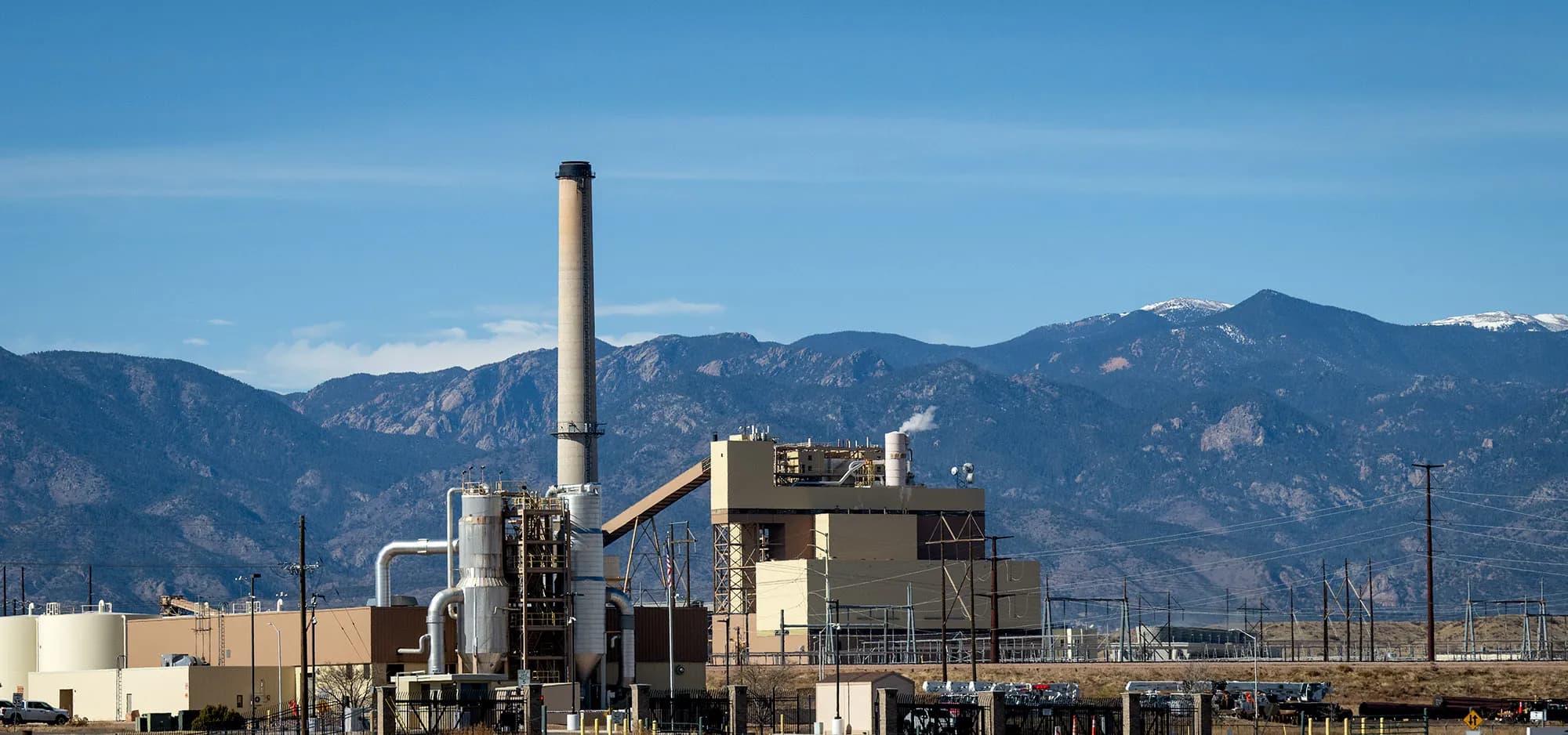
Colorado —The Ray D. Nixon Power Plant near Fountain is scheduled to shut its coal-fired boilers in 2029. That’s the deadline. That’s the plan. But now, there’s a new deal on the table that pushes that closure date back by three years, to 2032.
It’s not a permanent reprieve. It’s a three-year extension. And it’s the result of a compromise that Colorado Springs Utilities (CSU) says is "fair but firm." The Sierra Club of Colorado says it’s a "major improvement" over the original proposal, which would have kept the coal burning until 2040. They’re not cheering. They’re just not fighting it anymore.
Let’s look at the mechanics. Senate Bill 182 is the vehicle. It replaces the dropped Senate Bill 22. SB 22 was the big ask: keep Nixon running on coal until 2040. SB 182 cuts that timeline in half. It caps the extension request at three years. The plant, which came online in 1980 and can generate more than 260 megawatts of electricity, stays fueled by coal until 2032. After that, the clock resets. The state’s goal of reducing greenhouse gas emissions from power production by 80% by 2030 remains the target, but Nixon gets a pass for the final stretch of that decade.
Why the change? CSU points to higher costs and supply chain problems. They say replacing Nixon with clean solar and wind technology is taking longer and costing more than anticipated. Local leaders, including Democrats, jumped on this. They wanted relief from the strict emissions targets, especially with the Trump administration showing support for coal. It’s a political alignment: local utility needs time, local politicians want to protect jobs and reliability, and the federal government is signaling that energy security trumps speed on decarbonization.
The Sierra Club’s stance is telling. They didn’t endorse the bill. They didn’t sponsor it. But they won’t actively oppose it. Why? Because the original proposal was worse. "We’re not supportive of any coal plant extensions, especially when there was time to plan," a Sierra Club official said. "But we’re glad CSU was able to negotiate to improve their proposal to reduce the negative impacts on the greater Colorado Springs community and the region’s air quality."
So, what does this mean for the folks in Fountain and the wider Pikes Peak region? Nixon is one of six remaining coal-fired power plants in Colorado. Keeping it online means more coal dust, more carbon, and more reliance on a fossil fuel that’s supposed to be winding down. But it also means CSU doesn’t have to scramble for emergency power or face potential blackouts while it figures out the renewable transition. The utility says this compromise helps achieve emissions goals "without compromising reliability and affordability."
In practice, that means locals get to keep the lights on while the utility catches up. It means the air quality in the Fountain area stays worse for three more years than it would have if the plant closed on schedule. And it means the state’s ambitious 2030 emissions target is now a moving target, at least for this specific plant.
The U.S. Department of Energy is already doing something similar with Tri-State Generation’s Craig Unit 1, ordering it to stay open past its late 2025 closure date due to "national electric supply emergencies" driven by data center growth. So Colorado Springs isn’t alone in this pivot. It’s a statewide, even national, trend: coal stays a little longer because renewables aren’t quite ready to carry the full load, and the grid can’t afford the gap.
The bottom line is simple. Nixon stays open until 2032. The Sierra Club is quiet. CSU is satisfied. And the rest of us get to watch the coal burn for three more years while the utility tries to figure out the rest.
Keep up with Colorado
The day's Western Slope news, one email each morning. Free.
Federal Report Sets 200,000 Acre-Foot Water Conservation Target for Upper Basin

Colorado Parks and Wildlife Deploys Precision Drones for Weed Control