Colorado Stargazers Prepare for Meteor Showers and Blue Moon
Locals can enjoy spectacular celestial events in May, including two meteor showers and a rare blue moon. Expert guidance provides tips for optimal viewing.
Aspen —What's the best way for locals to catch a glimpse of the celestial events happening in May, including two meteor showers and a "full blue mini-moon"? For folks around here, the answer lies in understanding the unique astronomical conditions of our region. According to Colorado astronomy guide Mark Laurin, also known as Astro Mark, May marks the beginning of the stargazing season, and it's not just because the nights are warmer. The Earth's orientation at this time of year allows for a deeper view into outer space, making it an ideal time to gaze at distant galaxies, nebulas, and star clusters.
Let's do the math: with roughly 20 shooting stars per hour expected during the Eta Aquarids Meteor Shower, which peaks on May 6, locals can anticipate a spectacular show. The meteor shower will remain active through about May 28, providing ample opportunity for stargazers to catch a glimpse. On paper, this sounds like a thrilling experience, but to make the most of it, one needs to know the best times and locations to view the shower. The best time to view the meteor shower will be after 2:30 a.m. on Wednesday, May 6, with the radiant point located toward the northeast horizon.
For context, the Eta Aquarids Meteor Shower occurs when the Earth passes through debris left by Halley's Comet, which is visible to the naked eye from Earth about every 72 to 80 years. However, Laurin notes that the current journey of Halley's Comet doesn't come close enough to the Earth to create a meteor shower. This distinction is crucial for understanding the unique characteristics of this event.
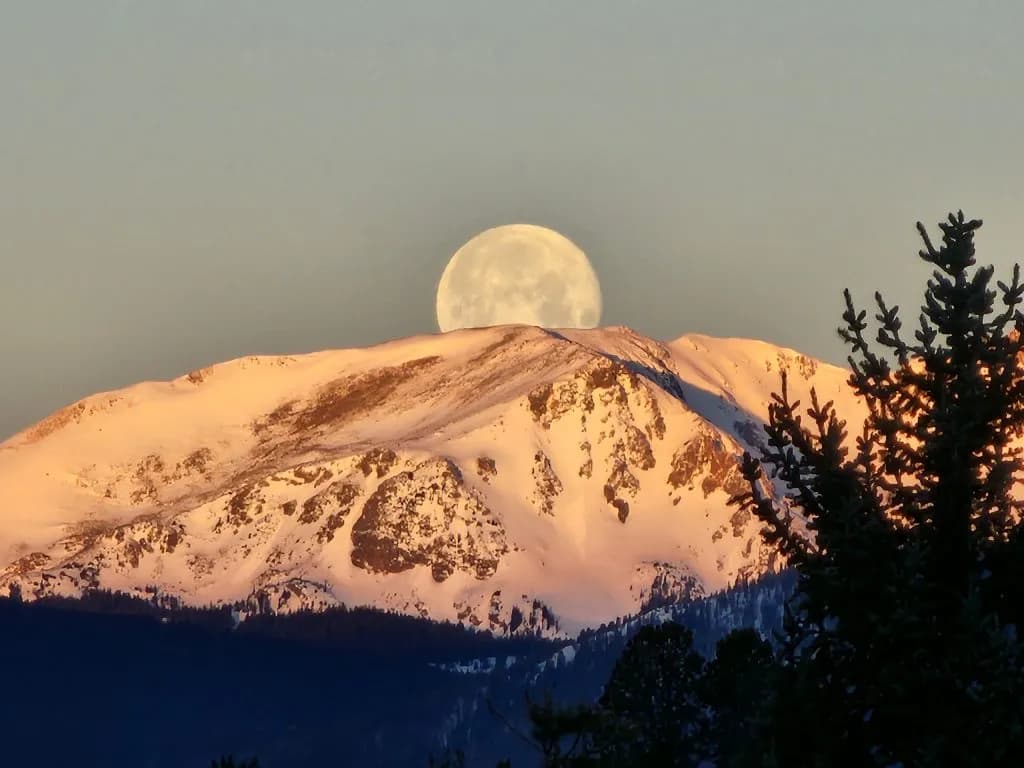
In addition to the Eta Aquarids Meteor Shower, May will also feature another meteor shower, which will bring less frequent shooting stars throughout the night. After a full moon on May 1, the month will be one of the rare months with two full moons, with the second full moon, or the "blue moon," appearing smaller than usual. This "full blue mini-moon" is a rare occurrence, and locals won't want to miss it.
As a member of the Denver Astronomical Society and the Astronomical League, Laurin is well-versed in the celestial events that will be visible in our region. He's also an adjunct instructor with Keystone Science School and a mentor with the nonprofit DarkSky Colorado, which aims to preserve the natural darkness of the night sky. For people in the valley, this means that there are resources available to help them make the most of the stargazing season.
The community can look forward to a range of stargazing opportunities in May, including the Eta Aquarids Meteor Shower and the "full blue mini-moon." While some of these events will require a telescope to view, others will be visible with the naked eye. By understanding the unique astronomical conditions of our region and the best times and locations to view these events, locals can make the most of this stargazing season. Knowing what to expect from the night sky will allow locals to appreciate the beauty of the natural world and connect with the stars in a unique way.
In terms of the practical impact, the events in May will provide a unique opportunity for locals to connect with the natural world and appreciate the beauty of the night sky. Whether you're a seasoned stargazer or just looking for a new hobby, the events in May are sure to be a thrilling experience. The cost? Free. The only requirement is a willingness to venture out into the night and gaze up at the stars. For locals, this is an opportunity to appreciate the beauty of the natural world, right in our own backyard.
Keep up with Aspen
The day's Western Slope news, one email each morning. Free.