Colorado State Patrol Launches Click It or Ticket Enforcement Blitz
Half of Colorado's passenger vehicle fatalities involve unbuckled occupants despite a 91% use rate. The Colorado State Patrol launches an enforcement blitz to target the habit failure causing these deaths.
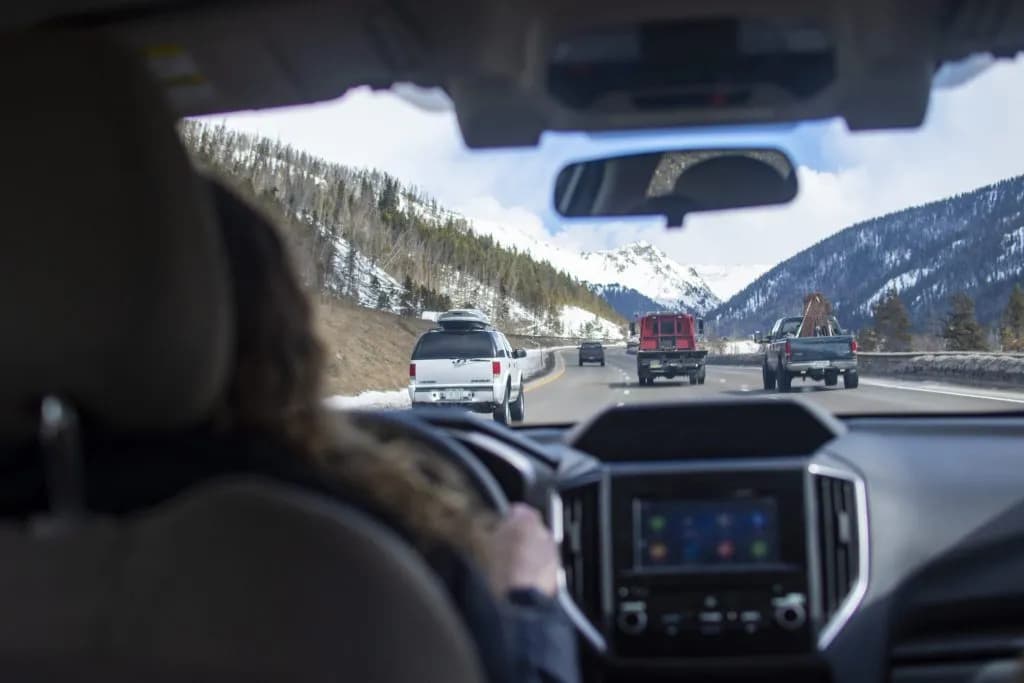
Aspen —Half of all passenger vehicle fatalities in Colorado involve someone who wasn’t buckled up. That’s the stark, counterintuitive reality driving this month’s enforcement blitz, even though the state’s seat belt use rate sits comfortably at nearly 91%.
Let’s do the math on that disconnect. You’d think that if 91% of us are clipping in, the death toll would reflect that compliance. It doesn’t. Nearly half the people dying in crashes are still unbuckled. That’s not a failure of infrastructure. It’s a failure of habit. And this month, the Colorado State Patrol and 48 local agencies are here to remind you of it.
The campaign is called “Click it or ticket,” which is less of a slogan and more of a threat. Starting now, expect increased patrols across the Western Slope. Officers aren’t just watching for speeders; they’re watching for the three seconds it takes to pull that strap across your chest.
State Patrol Chief Col. Matthew Packard puts it bluntly. “No other safety feature in your vehicle is more effective in reducing your risk of dying in a crash than donning a belt,” he said. He’s not talking about airbags. He’s not talking about anti-lock brakes. He’s talking about the piece of webbing that costs you nothing but saves lives. The data backs him up: 191 people died in Colorado in 2025 while not wearing a seat belt. Just that alone.
For context, consider the scale of the problem. In the past five years, more than 1,000 unbuckled people have died in passenger vehicle crashes. So far this year, 40 unbuckled drivers and passengers are already dead. The National Highway Traffic Safety Administration estimates that using a restraint reduces the risk of severe injury or death by up to 65%. That’s a massive reduction for a habit that takes three seconds.
During a similar enforcement period in April, officers issued 770 tickets for seat belt violations. That includes 27 citations for improperly restrained children. It’s not just adults forgetting to clip in; it’s families driving around with kids who aren’t secured properly.
Colorado Department of Transportation Director Shoshana Lew says buckling up should be an “automatic habit.” It’s a simple instruction, yet the numbers show it’s still a choice for many. “Increasing seat belt use is one of the most important steps we can take to reduce fatalities in Colorado,” Lew said.
This isn’t a new policy. It’s an enforcement spike. The Colorado State Patrol is coordinating with local agencies to issue citations specifically for unbuckled drivers and passengers. If you’re driving down U.S. 40 or weaving through Glenwood Springs, don’t assume you’re safe because you’re wearing a belt. Assume you’re being watched because you might not be.
The cost of ignoring this is measured in lives, but the cost of enforcement is measured in fines and court fees. For the average driver, a seat belt ticket is a nuisance. For the 191 people who died unbuckled in 2025, it was a fatal error.
The bottom line is simple. The state has done its job building the roads. The federal government has done its job setting the safety standards. The only variable left is you. Buckle up. It takes three seconds. The alternative is joining the nearly half of Colorado’s crash fatalities who didn’t.
Keep up with Aspen
The day's Western Slope news, one email each morning. Free.