Colorado Study Reveals Fruita Banned Black Residents After Dark
A three-year legislative study revealed Fruita banned Black residents after dark and barred them from the local cemetery until 1952. Researchers also identified nine state politicians who personally owned slaves.
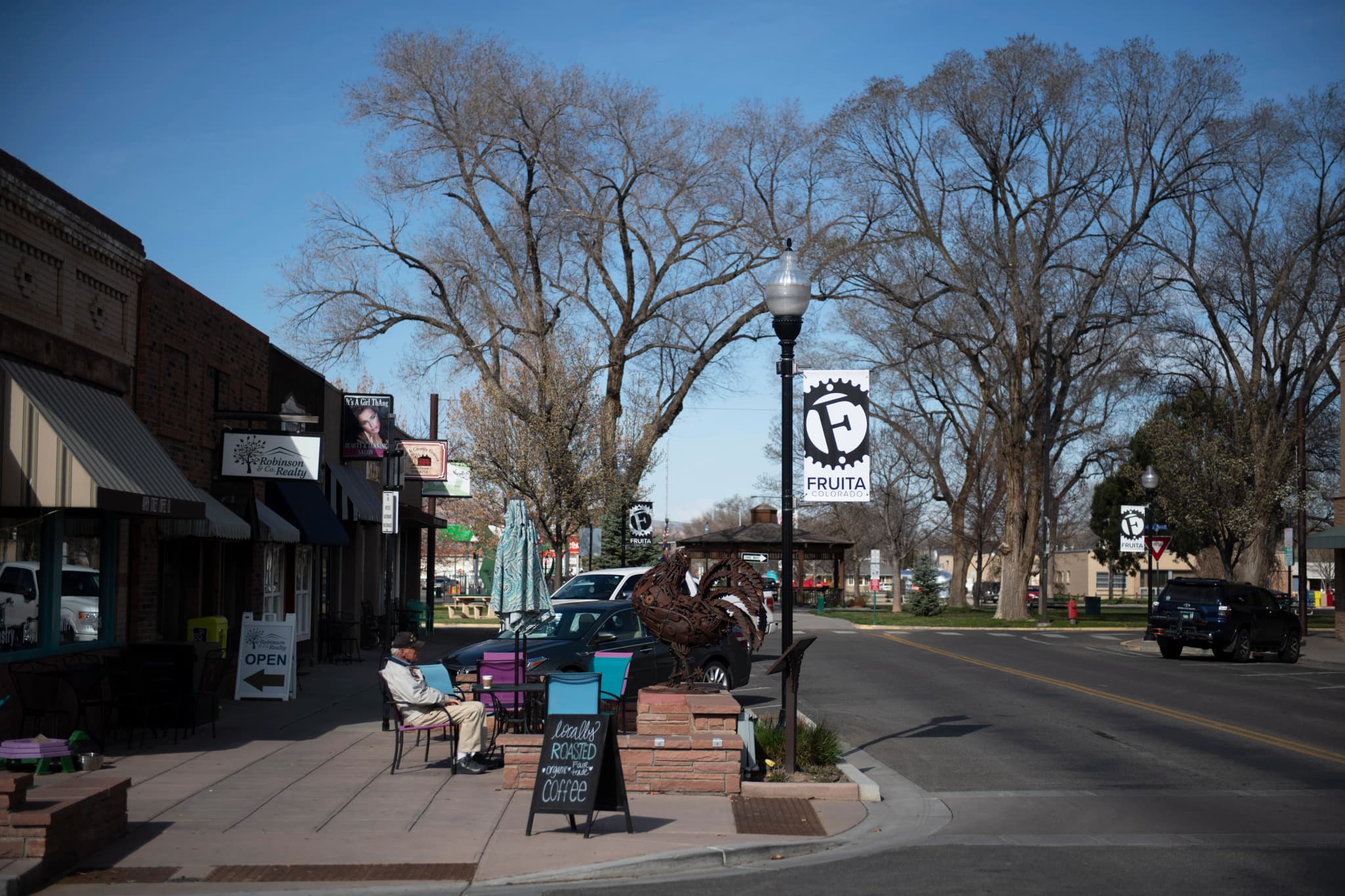
Fruita —Fruita, Colorado, banned Black residents from staying in town after dark.
That is the short version. But the details are sharper than the headline suggests.
The town is now famous for mountain biking trails. Tourists ride through Fruita on weekends. They likely don’t know about the "sundown" era. That era meant Black people had to leave before sunset. If they stayed, they risked violence.
The ban didn’t stop at the street level. It reached the graveyard.
Black families were barred from being buried in the local cemetery. This restriction held firm for decades. It finally broke in 1952. The catalyst? A specific family tragedy. That personal loss moved state lawmakers to act. They changed the rule.
This finding comes from a larger, three-year legislative-sponsored study. The goal was to quantify how slavery and racial discrimination shaped Colorado’s history. Specifically, the study looked at inequities in housing, education, healthcare, and criminal justice.
Researchers at History Colorado led the effort. The project started with a 2024 law. Funding came from over $1 million in private donations.
The findings now sit with the Black Coloradan Racial Equity Study Commission. This group oversees the whole process.
Right now, the commission is chasing money. They need about $300,000. That cash will pay economists to dig into the data. These experts will measure the economic impact of racism on the state’s population.
Once the analysis is done, the commission will write its report. It goes to the legislature and the governor by August 2027.
What happens next is uncertain. The law allows for recommendations that redress past wrongs. But it stops short of demanding financial reparations. The only constraint is that any proposal must be "consistent with the constitution."
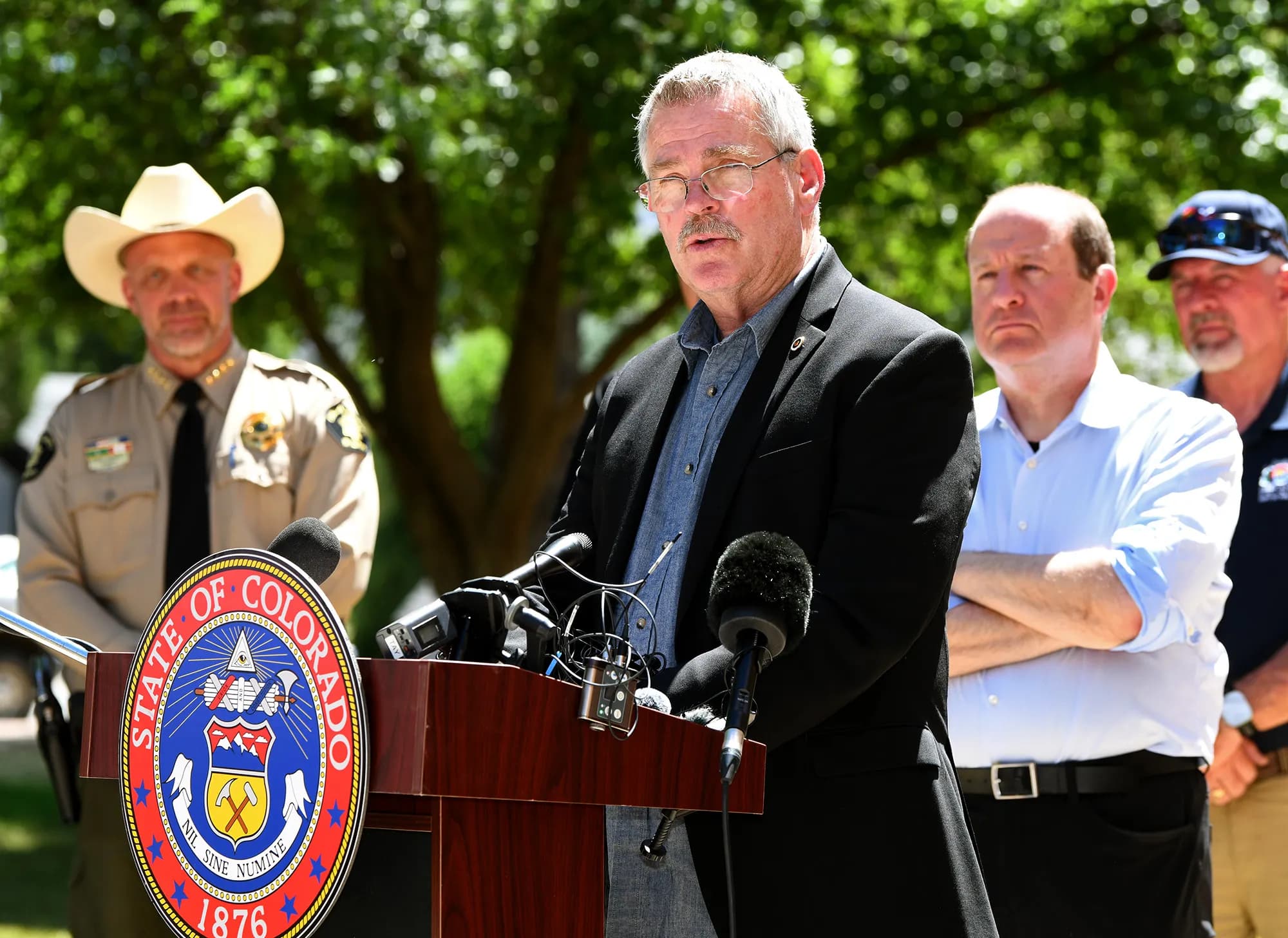
Senate President James Coleman leads the commission. His spokesperson, Ellie Lapp, kept expectations low. She said the team couldn’t comment on potential outcomes until the economic analysis was finished.
Make no mistake: this is the first time the state government has systematically documented racist policies across Colorado. Before this, many stories lived only in fading memories or lost records. Some discoveries even surprised the commission members themselves.
The study identified nine leading Colorado politicians who personally owned slaves. Dozens more were raised in slaveholding households. The state government also allowed lynchings of Black Coloradans to happen without punishment.
Back in Fruita, the mountain bikers keep rolling. They pass the cemetery where the 1952 change finally allowed Black burials. Do they look? Probably not.
The study ends in 2027. The town’s history doesn’t.
Keep up with Fruita
The day's Western Slope news, one email each morning. Free.
Century-Old Colorado Beaver Disputes Reshape Water Rights Today
Boston Couple Transforms Vail's Abandoned Post Office Into Nu Gnu Club