Colorado Sues USPS to Block 2026 Mail Ballot Rules
Colorado joined 24 states in suing the USPS to block new 2026 mail ballot rules. The lawsuit challenges federal control over voter identification and envelope standards.
Glenwood Springs —The wind off the Roaring Fork River carries a dry, sharp chill through Glenwood Springs. It’s late August, and the valley is quiet except for the hum of traffic on Highway 82. In the back offices of county clerks across the state, a different kind of tension is building. They have until October 9 to get mail ballots into the hands of registered voters. That deadline is now a target on their backs, not just because of the calendar, but because Washington, D.C. has decided to rewrite the rules mid-game.
Colorado joined two dozen other states on Wednesday, Aug. 26, in a lawsuit against the U.S. Postal Service. The goal is simple: block new rules for mail-in voting in the 2026 midterm elections. The short version is that the federal government wants to control who gets a ballot and how it looks, and Colorado says no.
This legal battle kicked off two days after the U.S. Supreme Court cleared a path for President Donald Trump to implement an executive order signed on March 31. The order directs the Department of Homeland Security to compile a list of U.S. citizens from federal databases. The agency must then send mail ballots only to voters on that list. It also mandates unique identifiers, like barcodes, on ballot envelopes to "enhance election integrity."
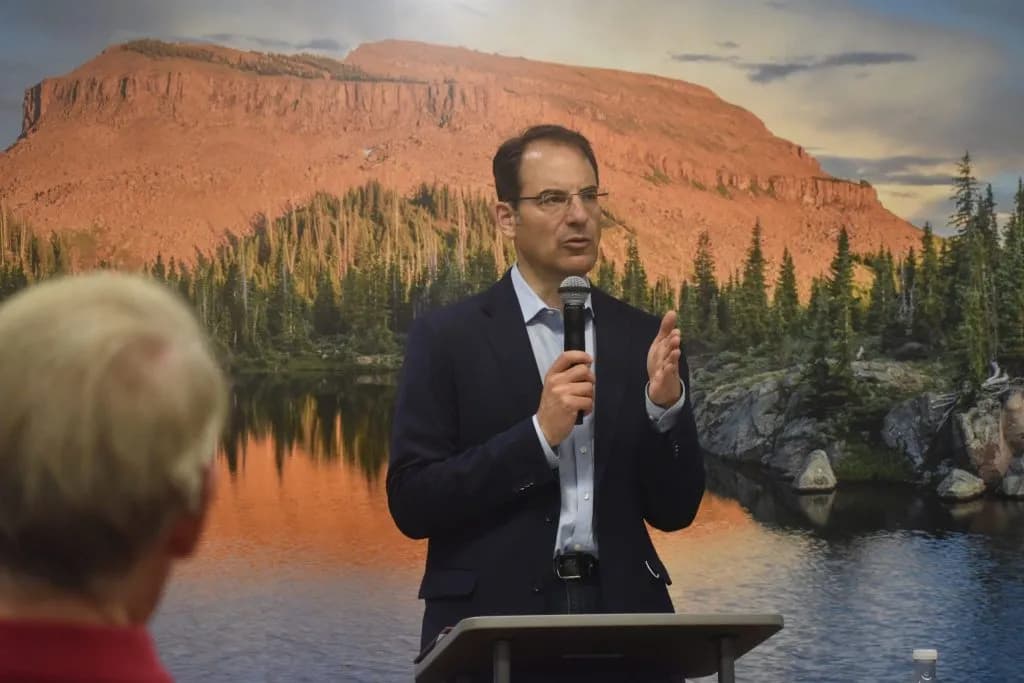
Colorado Attorney General Phil Weiser didn’t mince words in a statement. He called the rule "the latest attempt by the Trump administration to exert federal control over elections, cause mischief ahead of the midterm elections, and seize states’ constitutional authority to administer elections."
Read that again. Mischief. That’s a strong word for a legal document, but Weiser means it. He and other states sued when the rule was first proposed in April. That suit got a federal judge to block the order on July 25. The Trump administration appealed. On Monday, the Supreme Court’s conservative majority lifted that block. They didn’t rule on the legality of the order itself, only on the process. They said the states needed to wait until the rule was finalized. Now it is. The door is open for this new suit, but the clock is ticking.
The states argue that the rule violates the separation of powers. States and Congress oversee elections, not the president. They also claim it clashes with federal voting rights law and violates the Privacy Act. Weiser, a Democrat running for governor this fall, made his stance clear: "States determine the time, place and manner of elections – not the president."
Most Coloradans vote by mail. Weiser called it the state’s "gold standard election system" and said he will defend it. But the implementation timeline is where the real pain lies. County clerks can begin sending ballots on Oct. 2. They must finish by Oct. 9. That’s a seven-day window to execute a process that now requires cross-referencing federal citizen lists and adding specific identifiers to envelopes.
Voting rights groups warn the rules will be cumbersome. They argue this could disenfranchise voters right before a major election. The Postal Service says the changes protect integrity. The states say they create chaos.
The Supreme Court’s decision didn’t settle the constitutional question; it just moved the goalposts. Now the lower courts have to decide if a president can effectively gatekeep who receives a ballot in a state-run election. For folks in the valley, this isn’t abstract law school theory. It’s whether you get a ballot on time, or if your name gets lost in a federal database shuffle.
Weiser’s team is betting on the courts to stop the implementation before it starts. The Postal Service is betting on the executive branch’s authority. Neither side has offered a detailed plan for how they will handle the Oct. 2 start date if the lawsuit drags on. That silence is worth watching.
Keep up with Glenwood Springs
The day's Western Slope news, one email each morning. Free.
Colorado Animal Rescue Tackles Roaring Fork Housing Barriers
Colorado Climber Survives 500-Foot Fall Off North Maroon Peak