Colorado Sun Launches Series on Low-Water Crops for Drought Resilience
The Colorado Sun launches a solutions series asking if low-water crops like cow peas can secure the state's future, soliciting community recipes to shift agricultural habits.
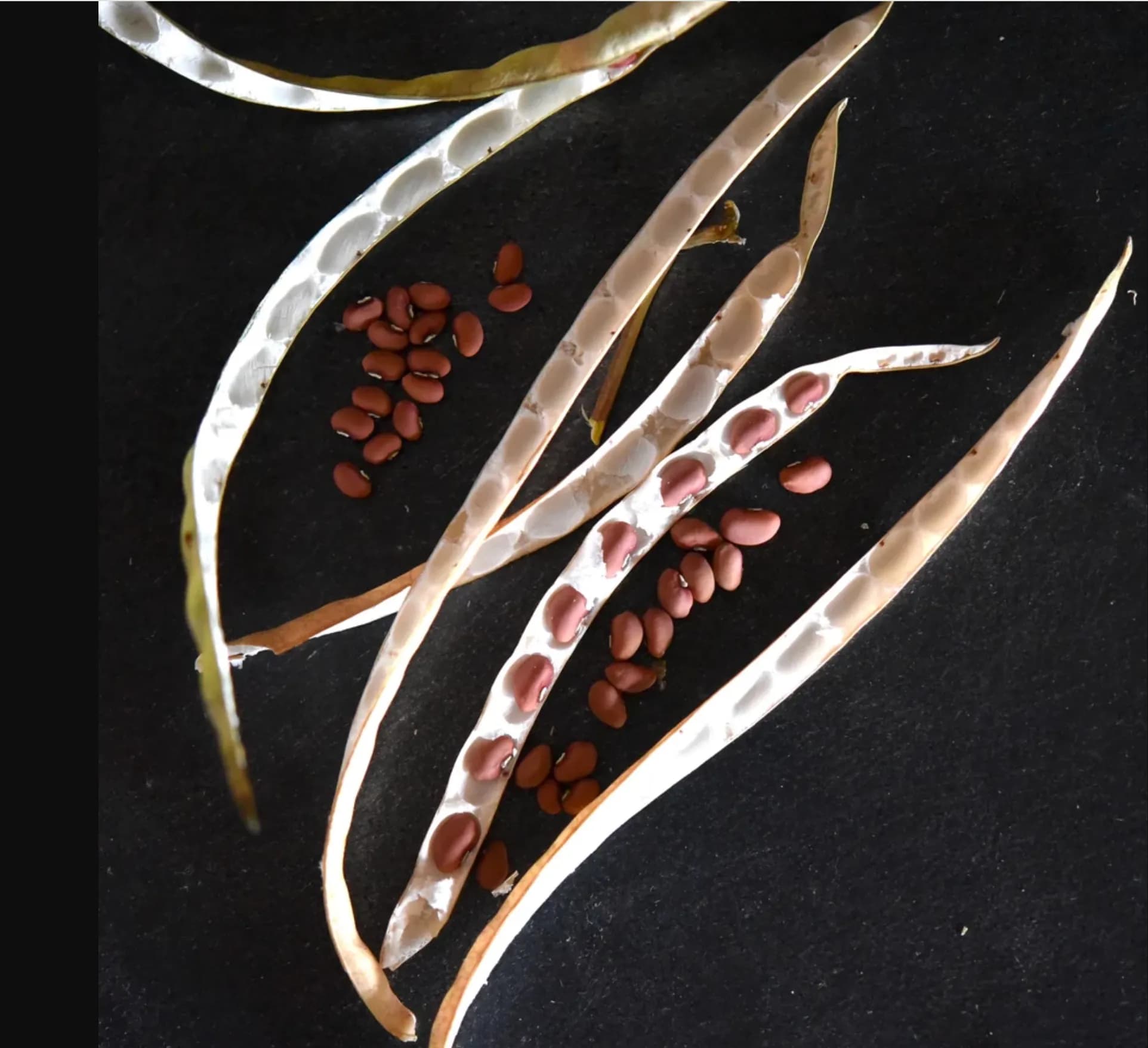
The dust settles on the dirt roads outside Cortez, where the air hangs thick and dry against the skin. In a small storefront window, packets of Red Ripper cow peas sit on the shelf, their labels promising survival in heat and poor soil. It’s a quiet, gritty reality of growing food on the Western Slope: you don’t get to choose your climate, but you can choose what survives it.
The Colorado Sun is asking a straightforward question: Can Colorado do more with less water? It’s not a rhetorical prompt. With up to 90% of the state’s water going to agriculture, the answer hinges on what we grow and how we eat. The paper is launching a solutions journalism series, “Can Colorado do more with less water?,” to assess whether conservation projects actually free up resources at scale or if they’re just noise against the backdrop of historic drought and interstate conflicts.
The focus is on low-water crops. The math is stark. Alfalfa, a staple forage crop, demands up to 44 inches of water per season. Black-eyed peas need about 15 inches. That’s a massive difference in a basin where every inch of runoff is contested.
To bridge the gap between agronomy and appetite, The Colorado Sun spoke with James Beard Award-winning author Adrian Miller. He noted that while black-eyed peas are native to sub-Saharan West Africa, they’ve spread across the Americas and Europe precisely because they handle scarcity. But a crop is only as good as its recipe. Miller provided suggestions, but the paper wants local input.
They are building a community cookbook featuring low-water ingredients like black-eyed peas, rye, okra, mustard greens, rhubarb, figs, and sunflower. The call is open to anyone with a recipe that works in this climate.
For folks on the Western Slope, this isn’t just about culinary experimentation; it’s about infrastructure. Pueblo Seed & Food Company in Cortez sells Red Ripper cow peas, a low-water legume that handles heat and drought. It’s the kind of crop that doesn’t beg for a new reservoir or a desalination plant. It just grows.
Let’s do the math on why this matters. If a farmer switches from high-water alfalfa to a legume like the cow pea, they aren’t just saving water for their own field. They’re reducing the strain on the entire basin’s allocation. When The Colorado Sun tracks these experiments from Akron to Aspen, they are looking for signs of success or failure that lead to water security. They want to know if local conservation can overcome immovable market realities or if it’s just a drop in the bucket.
The practical impact for neighbors is direct. If these crops become standard, the food system shifts toward resilience. You don’t need a degree in hydrology to understand that 15 inches of water is easier to manage than 44. The paper wants your recipes because they know that adoption depends on taste, not just data.
If you have a recipe using these drought-tolerant ingredients, The Colorado Sun is asking you to share it and explain why you love it. It’s a chance to be featured in a state-wide effort to define what water security looks like on the plate. The series will assess whether these shifts can free up water at a large scale, or if the drought is simply too powerful.
The bottom line is simple: water is the most expensive commodity in this state, and agriculture is its biggest consumer. Changing what we grow changes how much water the valley needs to function. Your recipe might be the piece that makes a farmer in Montrose or a home cook in Glenwood Springs rethink their pantry. The data says it works. Now we need to see if people will actually eat it.
Keep up with the Western Slope
The day's Western Slope news, one email each morning. Free.