Colorado Water Prices Drop to $85,000 Per Acre Foot
The cost of water in northern Colorado has decreased to $85,000 per acre-foot, down from $101,000 in 2022, according to a report by WestWater Research.
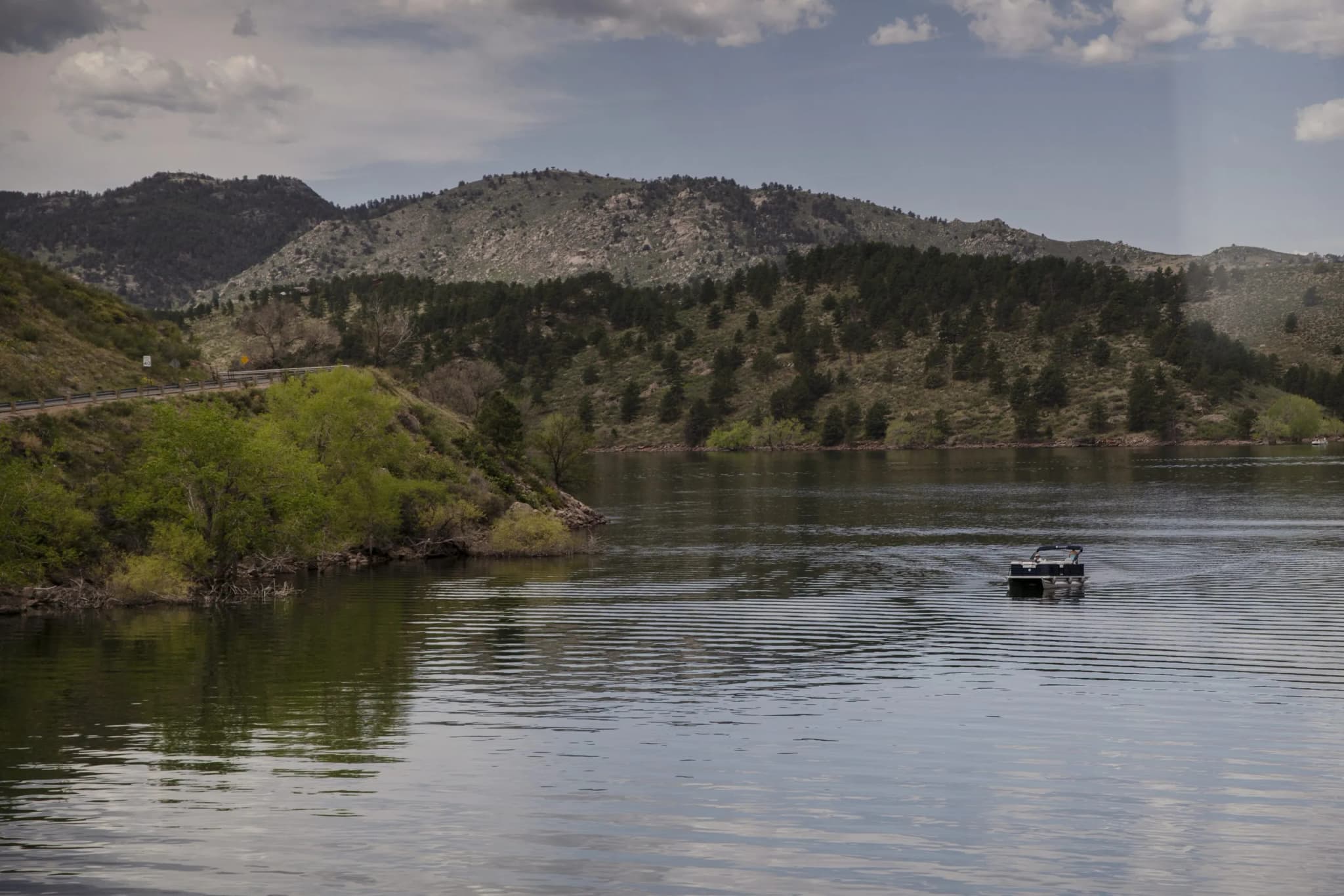
Colorado —$85,000. That's what an acre-foot of Colorado-Big Thompson Project water costs in northern Colorado, down from $101,000 in 2022. For context, one acre-foot of water equals 326,000 gallons, enough to serve two to four urban households for a year. This price drop, reported by WestWater Research, a Boise-based consulting firm, indicates a shift in the market. Let's do the math: a decrease of $16,000 per acre-foot is significant, especially considering the scarcity of water in the state.
According to Justin Bowen, a Colorado-based WestWater hydrologist and author of the report, the drop in prices is largely due to decreased demand. In 2022, the region was experiencing a housing boom, with many new homes being built. However, with construction of new homes flatlining and population growth slowing, the demand for water has decreased. On paper, this makes sense, but in practice, it's surprising to see water prices drop in a state where water scarcity is a major concern.
The federal Colorado-Big Thompson Project, which brings water from the Western Slope to the Front Range, provides a key benchmark in water pricing. WestWater Research tracks deals across the West and has looked at 2.5 million acre feet of water in leases and sales worth a combined $1 billion for its latest annual report. This data provides valuable insights into the water market, but considering the local context is vital. For folks around here, the fact that water prices have dropped may not be immediately relevant, especially if they live in areas where water is more scarce.
In areas like the Arkansas River Valley in southeastern Colorado, water prices have actually risen since 2022. The small Twin Lakes system, part of the federal Fryingpan-Arkansas Project, saw prices rise 17% between 2022 and 2025. This is likely due to the increased demand for water in these areas, where cities are growing, and agriculture is a significant industry. Water prices are influenced by a variety of factors, including supply and demand, housing and population growth, and environmental conditions, which affect the overall cost.
For comparison, water prices have risen dramatically in other Western states. Arizona, for instance, has seen a 75% increase in water prices. This highlights the complexity of the water market and the need for careful management of this limited resource. In Colorado, the situation is more nuanced, with prices dropping in some areas and rising in others, such as the area served by the Colorado-Big Thompson Project.
The practical impact of these changes in water prices is significant. For farmers and ranchers who rely on irrigation, a decrease in water prices could be a welcome relief. However, for cities and towns that are struggling to provide drinking water to their residents, the situation is more complicated. The fact that water prices have dropped in some areas may not necessarily translate to lower costs for consumers. In fact, the cost of treating and distributing water can be much higher than the cost of the water itself.
In Delta County, for example, the cost of providing drinking water to residents is a significant concern. The county spends millions of dollars each year on water infrastructure and treatment. If water prices were to rise, it could have a major impact on the county's budget and the cost of living for residents. On the other hand, if water prices continue to drop, it could provide an opportunity for the county to invest in more efficient water management systems and reduce costs for residents.
The bottom line is that the water market in Colorado is complex and influenced by a variety of factors. While the drop in water prices may be a positive development for some, considering the broader context and the potential implications for different regions and industries is vital for locals. The key takeaway is that the cost of water is just one part of the equation, and the real challenge is ensuring that this limited resource is managed sustainably and equitably.
Keep up with Colorado
The day's Western Slope news, one email each morning. Free.

Federal Report Sets 200,000 Acre-Foot Water Conservation Target for Upper Basin
Colorado Parks and Wildlife Deploys Precision Drones for Weed Control