Colorado Water Trust Leases River Rights to Keep Yampa Flowing
The Colorado Water Trust leases and releases existing water to maintain Yampa River flows during drought, leveraging seniority and cooperation rather than creating new supplies.
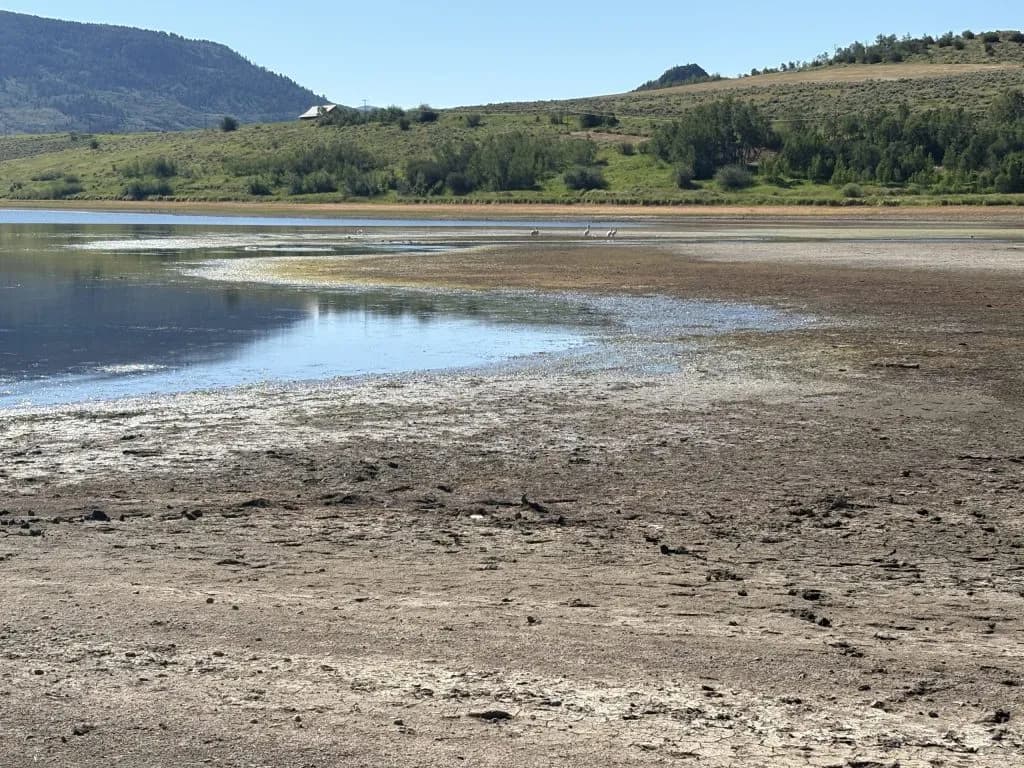
Steamboat Springs —The Yampa River runs low and clear near Steamboat Springs, the current hugging smooth stones rather than rushing over them. It is July 9, and the heat sits heavy on the valley floor.
Danielle Snyder stands there long enough to notice that absence. The water is present, but it is thin. It is not the swollen, muddy torrent of spring runoff, nor is it the dry bed of a severe drought year. It is something in between — a negotiated balance.
Snyder, a water resources specialist for Colorado Water Trust based in Durango, argues that keeping this balance requires more than just waiting for rain. It requires action.
“From my opinion, sometimes it’s geography, sometimes it’s water right seniority and availability, and other times it’s a little bit of luck,” Snyder told an online audience hosted by Water Education Colorado. “More often than not, though, it’s the people in the communities we work with that make it happen. A reservoir operator is going to make a release. A project partner is willing to lease us water. And (Colorado Parks and Wildlife) is willing to go into the river to evaluate conditions.”
That evaluation matters. The Colorado Water Trust, a nonprofit that started in 2001, has negotiated agreements returning over 32 billion gallons of water to streams. Kate Ryan, the trust’s executive director and a Boulder-based water lawyer, notes that in larger rivers like the Yampa and Colorado, nearly half of their added water comes through these specific efforts.
But adding water to a river is not as simple as turning on a tap. The state’s prior appropriation doctrine — the “first in time, first in right” rule embedded in the Colorado Constitution, complicates everything.
“Every single drop of water, if you go out in a stream today, is headed to somebody downstream,” Ryan said.
The most senior rights belong to those who claimed them first, often dating back to the 1900s. Yet seniority does not guarantee a full share during extreme drought. In years like this, even rights from the early 1900s are going unfilled because there is simply not enough water to go around.
The complication lies in timing. Junior users - those with rights established later; are cut off first when streamflow drops. This includes municipal, industrial, and environmental rights that were not recognized initially by the state. It was not until the 1970s that the Colorado Water Conservation Board authorized instream flow rights, legally requiring water to stay in rivers for environmental benefit.
Those 1970s rights are very, very junior. In a severe drought year, they get squeezed out by senior claims that have priority.
The Colorado Water Trust works within this rigid hierarchy. They use tools like instream flow agreements, reservoir leases, and water rights acquisitions to keep rivers flowing. They do not create new water; they move existing water around, leveraging the willingness of reservoir operators to release water and partners to lease it.
It is a system built on cooperation rather than conflict. It relies on the reservoir operator who decides to open the gates, and the park worker who wades into the shallow current to check the fish.
Snyder’s point about luck is valid, but it is not random. It is the result of preparation meeting opportunity. When the snowpack fails, as it did this winter, those who have leased water and secured rights are ready.
The Yampa does not stop flowing. It just flows differently, shaped by the hands that hold it.
Keep up with Steamboat Springs
The day's Western Slope news, one email each morning. Free.