Amy Dickson stood in the council chamber, watching the lights flicker on over Steamboat Springs
Amy Dickson stood in the council chamber, watching the lights flicker on over Steamboat Springs. She didn’t need a script to know what was happening. The ground beneath her feet — the local lodging market — was shifting again. On…
Steamboat Springs —Amy Dickson stood in the council chamber, watching the lights flicker on over Steamboat Springs. She didn’t need a script to know what was happening. The ground beneath her feet — the local lodging market — was shifting again.
On Tuesday night, the city councilor didn’t mince words about Steamboat Ski & Resort Corp.’s latest move. The resort giant has launched “Steamboat Hospitality,” a new business division designed to swallow up property management, real estate, and association services under one big, familiar roof. It’s an expansion that sounds like growth to the suits in Denver. To the independent operators on the mountain, it looks a lot like consolidation.
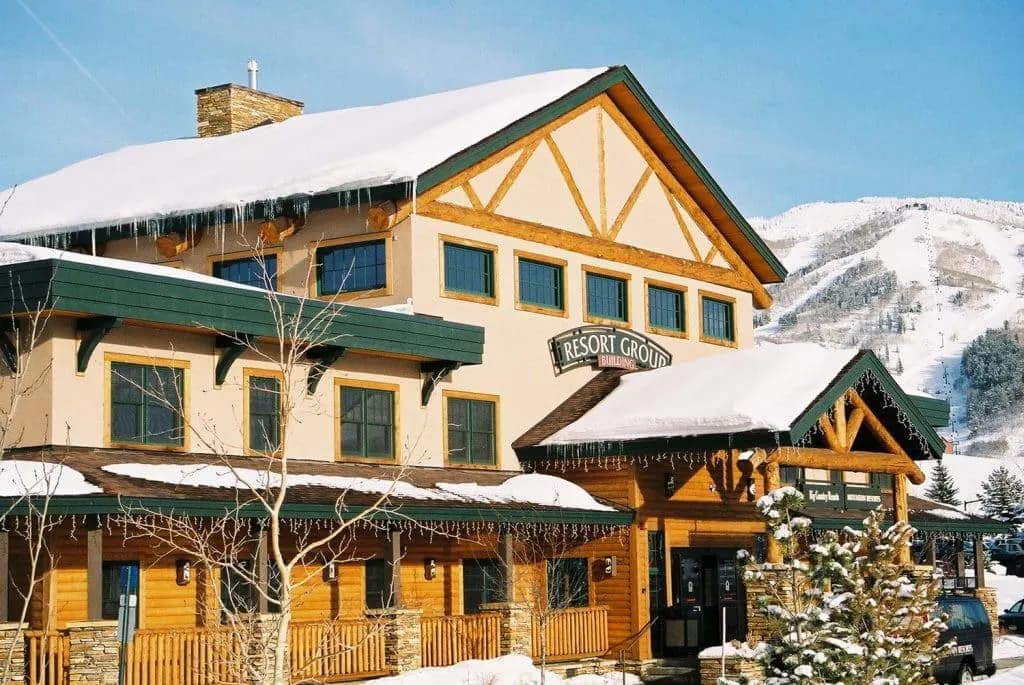
Maren Franciosi, Ski Corp.’s Director of Communications, announced the launch July 1. She called it a strategic move that brings together lodging and property management, homeowner services, real estate, and association management. The company pointed to its March acquisition of Resort Group as the catalyst. Franciosi wrote that this merger combines decades of local property management expertise with the strength and reach of the Steamboat brand.
It sounds nice on paper. The vacation rental brands under Resort Group, Mountain Resorts and Simply Steamboat - are now part of this new umbrella. MR Realty is becoming Steamboat Realty. Steamboat Association Management is getting a fresh coat of paint to match the visual identity. Franciosi noted that these businesses will continue providing trusted local expertise, personalized service, and long-standing relationships.
But Dickson saw the fine print.
During council reports, she summarized her take on this strategic expansion bluntly. Since the ski area acquired Resort Group, members of the local lodging community have been receiving notices. Steamboat Central Reservations is terminating its subscriber agreements with independent lodging partners, effective July 31.
Here’s the rub: Currently, properties listed through Steamboat Central Reservations can be property management companies throughout Steamboat, not just those owned by Ski Corp. After July 31, that door closes. Steamboat Central Reservations will no longer list any lodging that is not part of their in-house program.
“What this practically means is that small, local independent property management companies lose access to a marketing and booking relationship they’ve had for years,” Dickson said.
She argued that this reinforces a pattern we continue to see from Ski Corp. They are consolidating control over lodging, marketing, and distribution on the mountain. The strategy favors properties that are part of the ecosystem. Homeowners in those properties get direct alignment with Steamboat’s marketing, reservations, and guest service platforms. They also get access to exclusive owner benefits; preferred lodging opportunities, resort access, and seasonal rewards.
Dickson didn’t dispute that homeowners might benefit from the connection to Steamboat’s year-round marketing engine. That engine is designed to drive visitation and demand for Steamboat-managed properties. But she questioned who pays for that convenience, and who gets left out in the cold.
The part everyone skips past is the power dynamic. When the big brand owns the booking platform, it can dictate terms. Independent operators lose their listing spot unless they join the new Steamboat Hospitality fold. It’s a choice between staying independent and losing visibility, or joining the family and paying the price.
Stand there long enough and you can see the map of Steamboat changing in real time. The logos on the side of the shuttles stay the same. The name on the ski passes doesn’t change. But the people managing your condo, selling your house, and handling your HOA fees? They’re getting rebranded.
As July 31 approaches, the independent management companies are left holding their notices. They have to decide whether to let go of a marketing channel that has served them for decades, or to become part of the very corporation they’ve been operating alongside.
The council chamber emptied out Tuesday night. The lights dimmed. Outside, the wind picked up off the Yampa River, rattling the windows of the independent offices that still have their names on the doors.
Keep up with Steamboat Springs
The day's Western Slope news, one email each morning. Free.