Colorado Wildfires Burn 214,000 Acres as Stage 2 Restrictions Hold
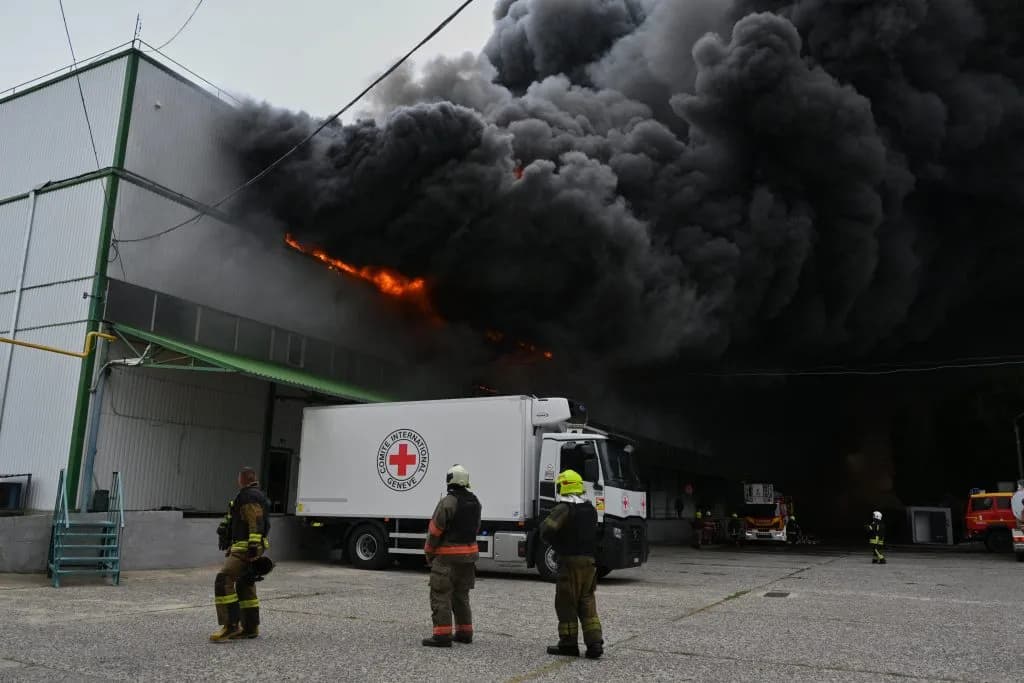
Wildfires have scorched over 200,000 acres across Colorado this summer, with 28 active fires burning approximately 214,000 acres while Stage 2 fire restrictions remain in place across nearly every county.
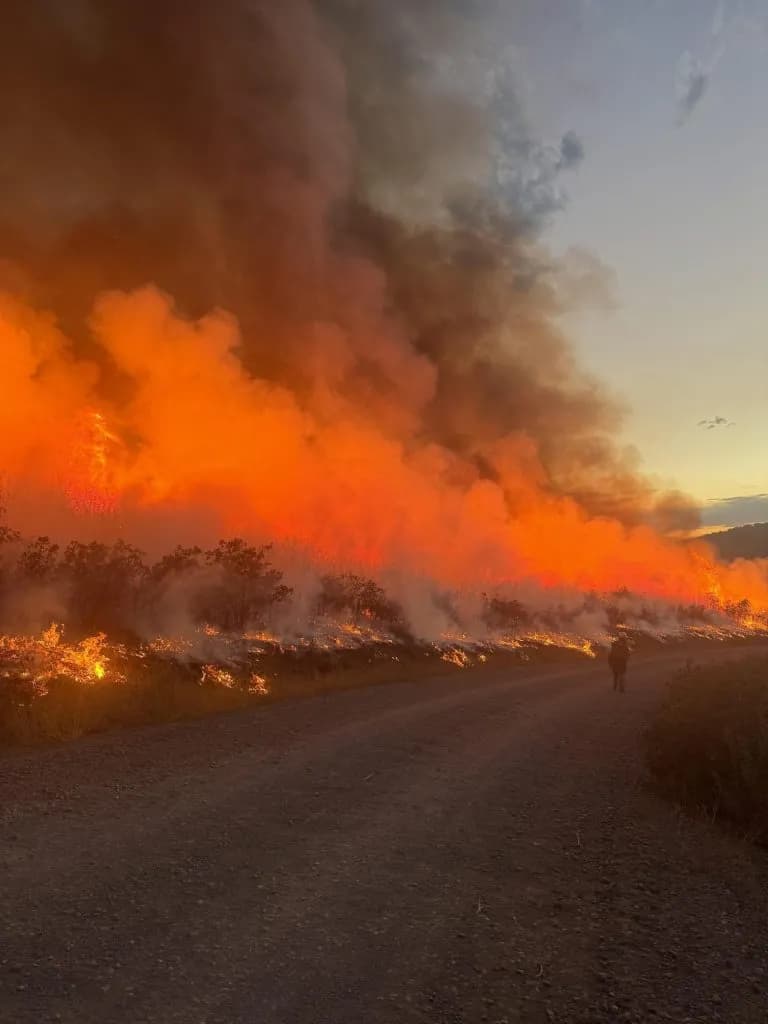
Aspen —The dry wind still carries the scent of smoke over the high country, even if the flames have moved on. On the ground near Steamboat, the grass is brittle, waiting for a spark that could turn a quiet afternoon into an evacuation notice. It’s a familiar tension for folks around here — the knowledge that the drought isn’t just a weather pattern, it’s a condition of the land.
Wildfires have scorched over 200,000 acres in Colorado this summer, and the Western Slope is feeling the weight of it. The Colorado Wildland Fire Status Dashboard shows 28 active fires as of Friday afternoon, burning a total of approximately 214,000 acres. The risk is extreme across the region, and Stage 2 fire restrictions — banning all campfires, remain in place in nearly every county.
To hear wildfire officials tell it, the scale of this summer’s activity is defined by a few massive blazes and a lot of smaller, persistent ones. The largest is the Aspen Acres Fire, which has burned just shy of 100,000 acres across Custer and Pueblo counties. It’s now the seventh largest fire in the state’s history. Containment has crept up to 48%, but the human cost is already significant. More than 1,700 personnel are battling the blaze, which investigators have determined was human-caused. It has destroyed hundreds of structures and forced thousands to evacuate.
Further west, the picture is different. In southwestern Colorado, the Ferris Fire has burned about 65,000 acres in Dolores County. It’s reached nearly 59% containment, and with about 1,180 personnel assigned, the effort is substantial. Unlike the Aspen Acres Fire, the Ferris Fire appears to have sparked from natural causes, likely lightning.
Just outside Ouray, the Gold Mountain Fire has been burning since late June, scorching about 37,700 acres. It’s only 13% contained, and with 875 personnel on the ground, it’s a slow burn that hasn’t revealed its cause yet. Near Leadville, the Willow Fire has burned about 6,875 acres and is nearly 37% contained. That one is also human-caused.
Closer to home, the activity is smaller but no less disruptive. In Rio Blanco County, the P-L Fire was discovered on Monday, July 13, and has already scorched about 1,600 acres. It’s only 15% contained, and humans are to blame.
In Routt County, two fires were discovered on Sunday. The Fishhook Fire, just southeast of Steamboat Ski Resort, has burned about 347 acres and remains uncontained. The Green Ridge Fire, south of Stagecoach Reservoir, has burned 41 acres and is 75% contained. That one started when a tractor was baling hay.
The math holds up: this is a summer defined by heat, dryness, and a lot of people paying attention. The question is whether the rains will come soon enough to break the drought, or if we’re heading into another long, smoky autumn. For now, the restrictions stay in place, and the crews keep working.
Keep up with Aspen
The day's Western Slope news, one email each morning. Free.