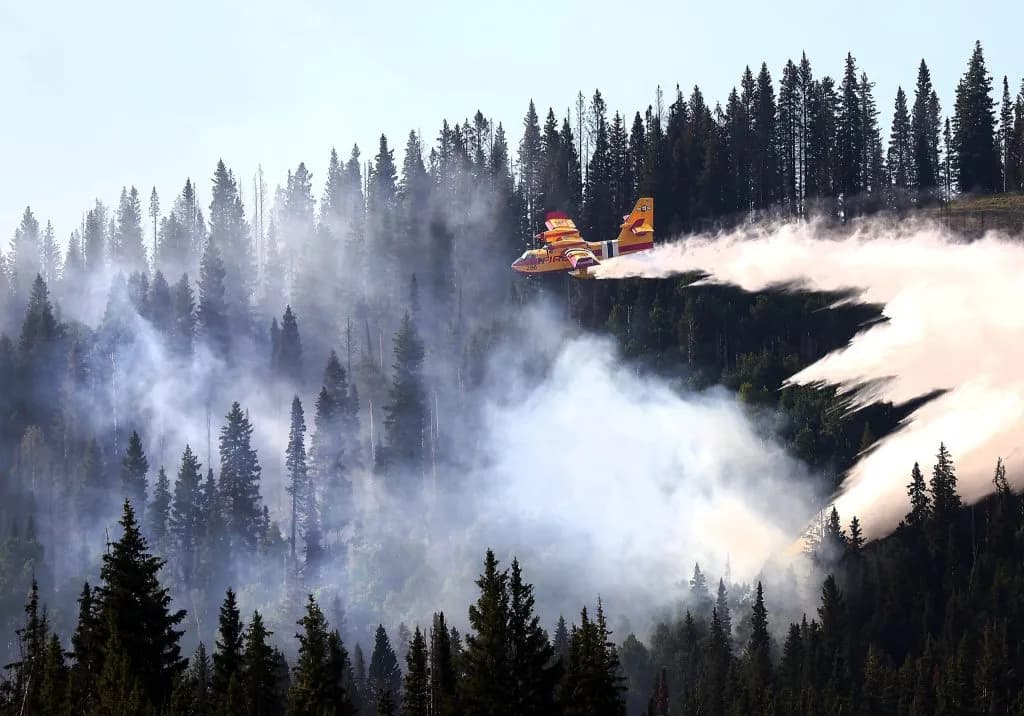
Colorado Wildflowers Bloom Earlier Amid Record Low Snowpack
Record low snowpack forces Colorado wildflowers to bloom one to two weeks earlier, shifting energy from spectacle to survival. Experts explain why the bloom is muted but still resilient.
Glenwood Springs —You might assume that when the snowpack hits record lows, the mountains go quiet. You picture a barren, dusty slope, a landscape holding its breath, waiting for rain that doesn’t come. But that’s the easy take. The reality is messier, more resilient, and frankly, more interesting than a simple "no bloom" headline suggests.
This summer, the wildflowers aren’t disappearing; they’re just getting strategic.
U.S. Forest Service Rocky Mountain Regional Botanist Tyler Johnson says the timing and vibrancy of the bloom are tightly linked to snowmelt, which remains the primary water source for these high-altitude ecosystems. So, after Colorado endured the worst snowpack on record this past winter, the floral season is undeniably impacted. But "impacted" doesn’t mean "gone." Johnson notes there will still be plenty of viewing opportunities, even if the season feels shorter, patchier, and less uniformly vibrant across the landscape.
Think of it like a jazz solo instead of a symphony. It’s not the same rigid structure we’re used to, but it’s still music.
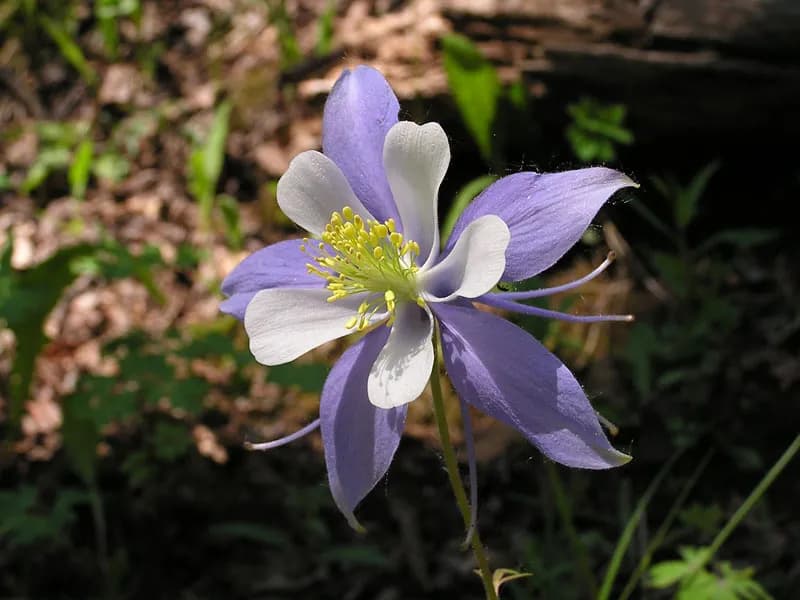
Sarah McCracken, Eagle County’s Horticulture and Natural Resource Specialist, has already spotted blooms starting earlier than usual. She expects the peak — typically a riot of blue columbine, Indian paintbrush, and alpine sunflowers exploding above 9,500 feet in late July or early August — to be muted. The flowers will open their petals one to two weeks earlier than normal, rushing to catch the warmth.
Why the rush? Because the plants are adapting. McCracken points out that wildflowers are incredibly resilient, capable of surviving even extreme drought conditions like the ones we’re facing now. In the Eagle River Valley, they’re going to make it through to next season. But they’re changing their investment strategy. Instead of pouring all their energy into being showy, fragrant, and attractive to pollators, they’re shifting their focus underground. They’re prioritizing survival over spectacle, putting their effort into what’s happening beneath the soil rather than what’s visible on the surface.
Jim Kravitz, Vice President of Programs at the Aspen Center for Environmental Studies, has been training naturalists to identify these plants in the Roaring Fork Valley every summer since 1996. He’s seen it all, yet he admits he’s never seen a snowpack quite this bad. Still, he insists that first-timers will be blown away. Whether you see the bloom at 95% of awesome or 78% of awesome, Kravitz says, "it’s still awesome."
The key, he notes, is understanding phenology, the timing of seasonal events. When plants sense the snowpack dissipating and temperatures warming, they kick into gear to capitalize on the growing season. This year, that signal came early, triggered by a record-breaking heatwave that pushed March temperatures skyward.
So, if you’re planning a drive up to Independence Pass or a hike along the Eagle River, don’t expect the carpet of color you might have memorized from postcards. Expect something more nuanced. Expect flowers that have learned to survive on less, blooming earlier and quieter, hiding their strength in the roots rather than the petals. It’s a different kind of beauty, one that asks you to look closer, to notice the subtle shifts in timing and tone. And when you do, you’ll find that the mountains are still here, still blooming, still holding on.
Keep up with Glenwood Springs
The day's Western Slope news, one email each morning. Free.