Monsoonal Moisture Brings Rain and Relief to Western Slope Heat
Monsoonal moisture overtakes the Western Slope, ending a record-breaking heat wave with rain and cooler temperatures, though dry thunderstorms pose a flash flood risk in burn zones.
Glenwood Springs —The heat hit Glenwood Springs like a physical weight. It was the kind of dry, oppressive warmth that makes the air itself feel thin and charged, the kind that turns the asphalt on Highway 8 into a shimmering mirage by mid-afternoon. For three days straight, the thermometer climbed past the comfortable, pushing into unseasonable territory that felt less like late August and more like a premature July.
But the sky is changing. The monsoonal moisture that has been hovering just off the map is finally moving in, and it’s bringing a shift that locals have been waiting for: rain, cooler air, and a chance to wash the smoke out of the valley.
For the past week, the Western Slope has been baking. According to National Weather Service Meteorologist David Byers, much of the state ran about 10 degrees above normal temperatures from Friday through Sunday. In some pockets of Garfield, Eagle, and Grand counties, thermometers hit record highs near 100 degrees. Lower elevation towns felt the brunt of it, while higher-elevation spots like Vail managed to escape the most intense heat, staying just cool enough to breathe.
Now, that’s about to change.
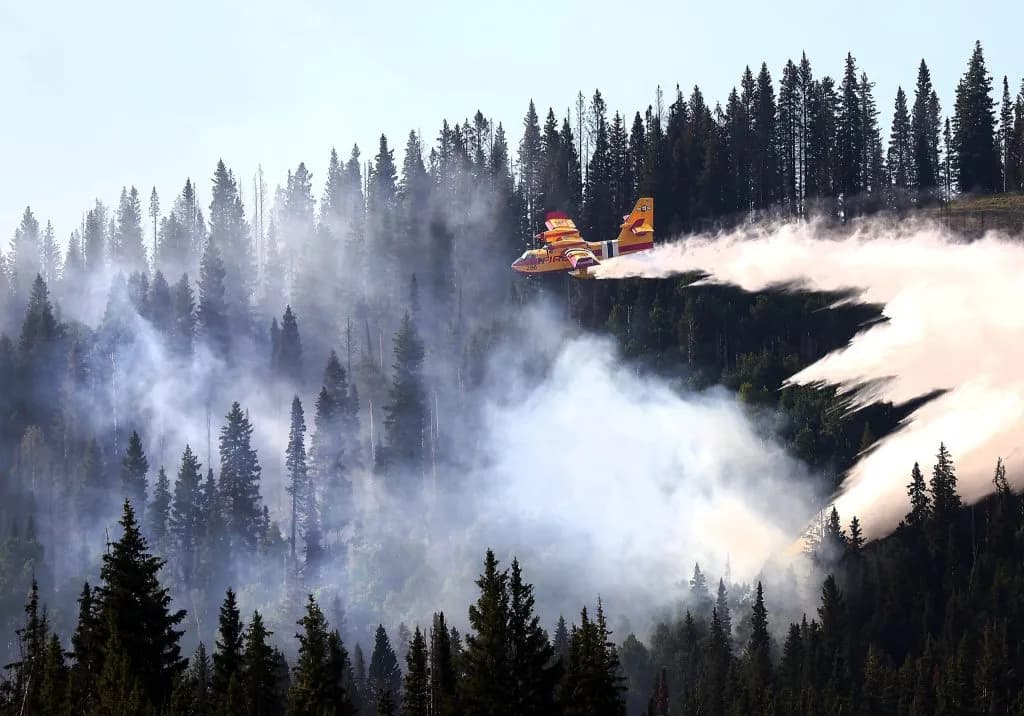
A surge of monsoonal moisture is overtaking the West, and the forecast is turning. It’s not just a simple shift from hot to cold; it’s a complex dance between relief and risk. For wildfire managers, the incoming rain is a double-edged sword. Cooler temperatures and higher relative humidity will temporarily weaken fire danger, and the rain itself will help clear out the hazy air that has settled over the state. But there’s a catch. Thunderstorms could bring "hit or miss rainfall, lighting and gusty outflow winds," OpenSnow Meteorologist Alan Smith wrote in a Monday report.
Dry thunderstorms — where rain evaporates before hitting the ground — are the real worry. They drop lightning onto already parched slopes, sparking new ignitions. And if a fire has already burned through an area, the ground can become hydrophobic, repelling water instead of absorbing it. That creates a critical threat for flash flooding in those specific burn zones.
“The rains will definitely put a damper on the fires, and the rains also tend to clear out the air,” Byers said. “But a risk that we’re concerned about is where there’s been a wildfire, the ground becomes hydrophobic. … those areas that become critical threats for flash flooding.”
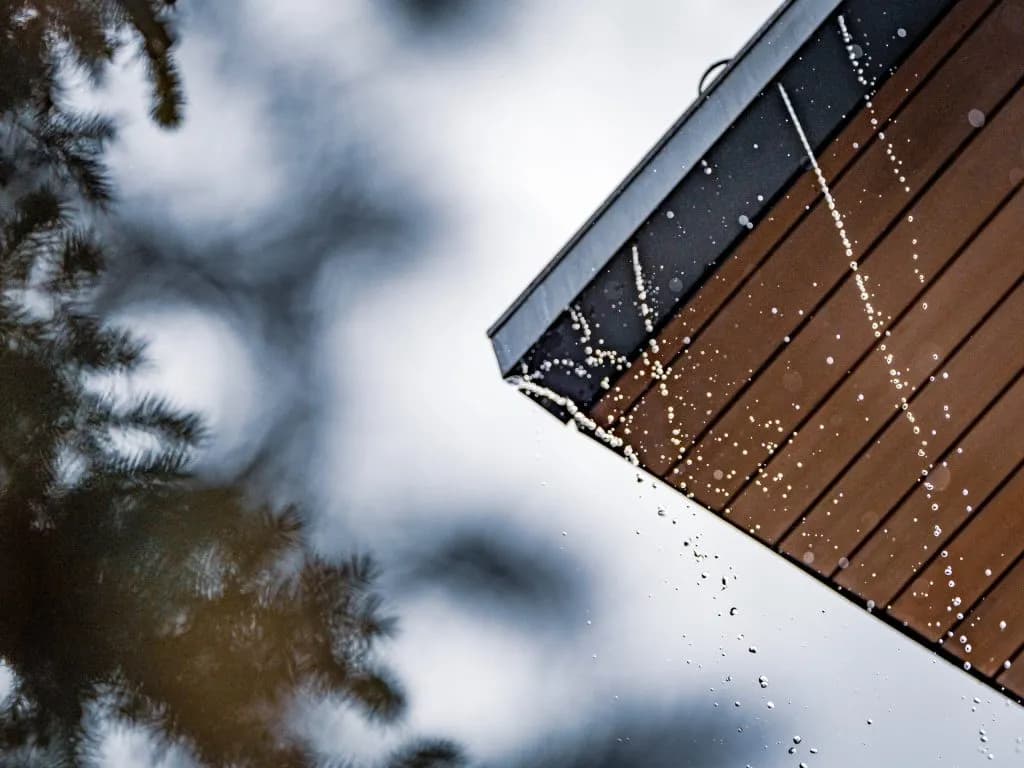
So, what does this mean for your Tuesday commute or your weekend plans? Monday and Tuesday look deceptively mild. Expect mostly sunny skies and temperatures lingering in the 80s and 90s. The real action starts Wednesday. The chance for precipitation picks up significantly, with estimates ranging from 40% in Glenwood Springs to 80% in Vail after noon. Cloudier skies might offer a small reprieve from the heat, which should continue to drop through the weekend.
Thursday looks even wetter. Chances for showers and thunderstorms climb to 60% in Glenwood and 90% in Vail and Aspen. That on-and-off precipitation is forecast to last through Saturday across most of the region. Nights will get noticeably cooler, transitioning from lows in the 60s and 50s on Monday night down to lows in the 50s and 40s by the weekend.
The air quality improvement is a welcome side effect. While smoke has been hanging over much of the state, upper-level winds are transporting the heaviest plumes north. Afternoon showers should help scrub the lingering smoke from Western Colorado’s valleys. Parts of far west-central Colorado might still see heavier smoke from upwind fires, but for most folks here, the air is going to feel cleaner, crisper, and significantly more alive.
Stand there long enough and you can almost feel the humidity rising. It’s a subtle shift, but one that matters. The dust settles. The heat breaks. And for the first time in days, the mountains look like they’re breathing.
Keep up with Glenwood Springs
The day's Western Slope news, one email each morning. Free.
Roaring Fork Transportation Coalition Proposes HOT Lane to Ease Aspen Congestion
Eagle County Judge Receives Legacy Award for Mental Health Court Reforms