Colorado Wins Federal Approval to Import Cheaper Prescription Drugs from Canada
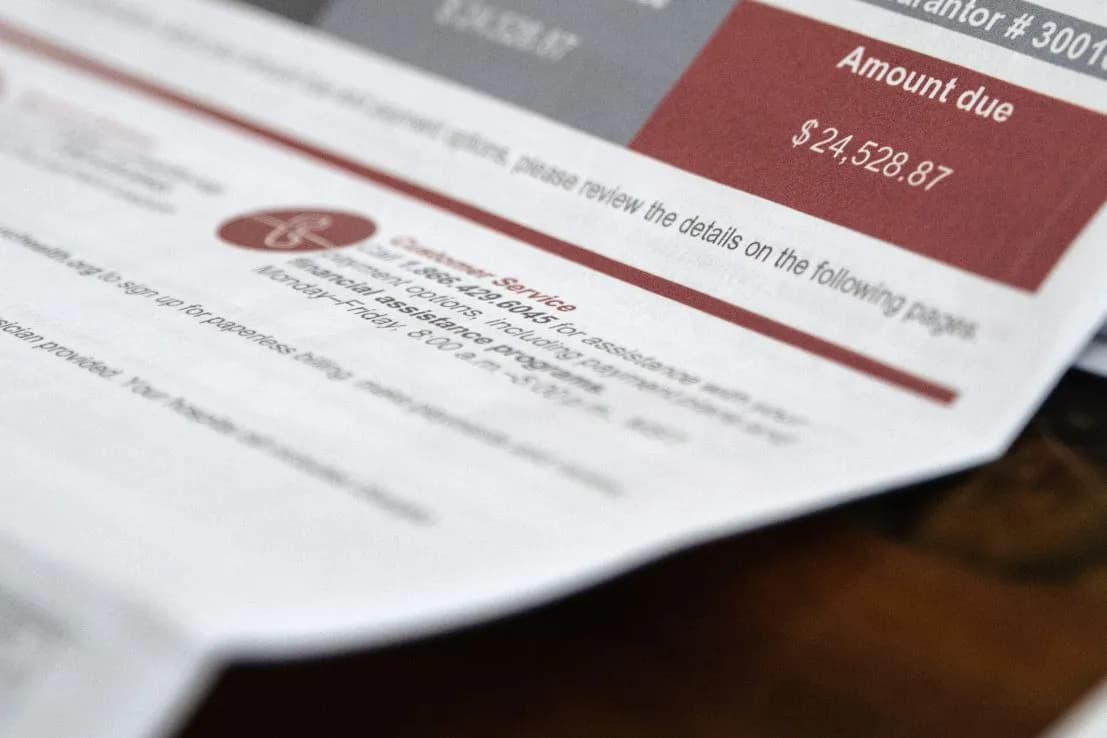
After seven years of planning, Colorado has secured federal approval to import lower-cost prescription drugs from Canada, a move expected to save residents $46.2 million over three years.
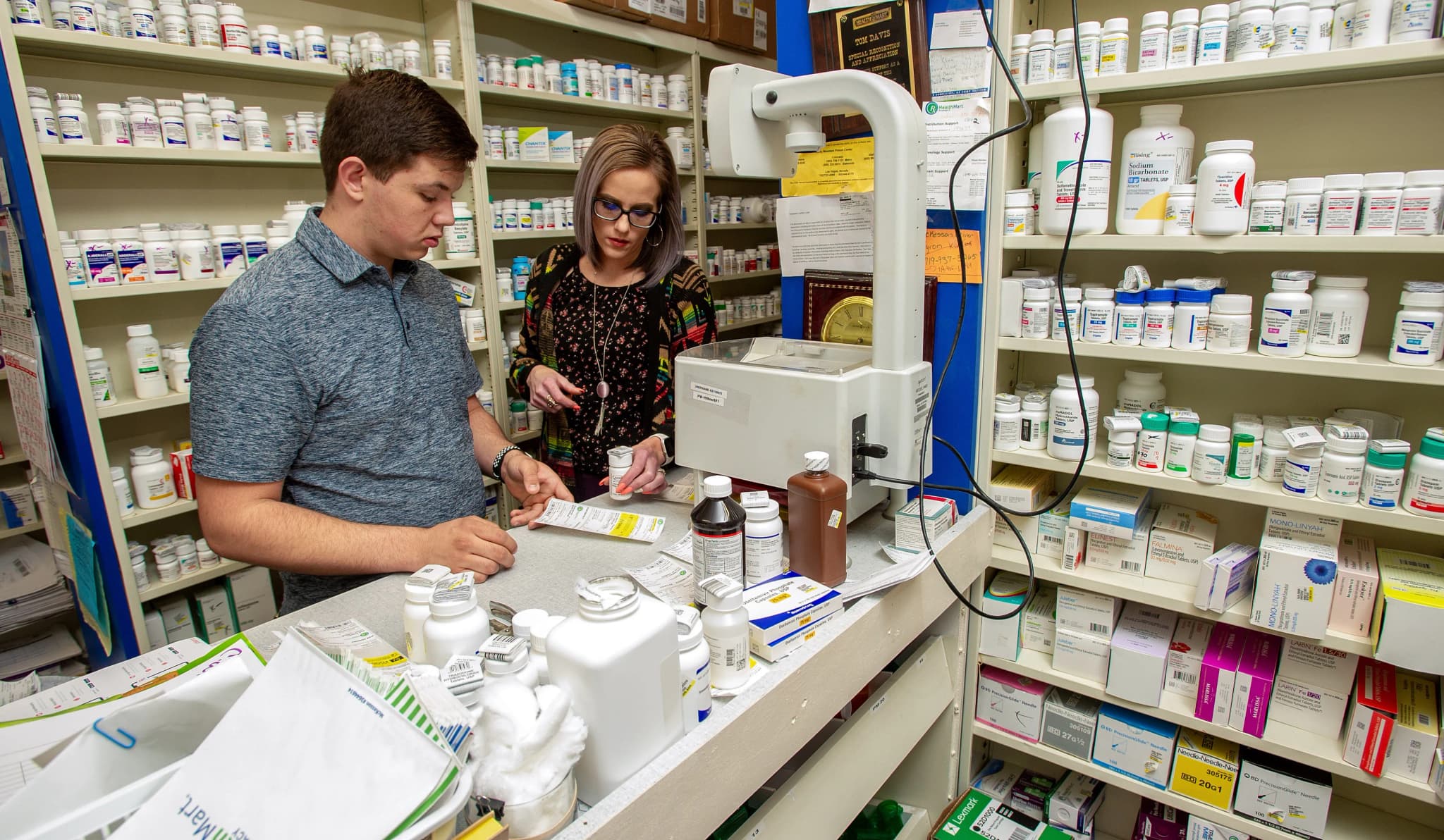
Colorado —The hum of the refrigeration units in a Delta County pharmacy is a sound locals take for granted, but the price tag attached to the insulin inside those coolers has become a source of quiet frustration for years. For the family driving down US-50 to pick up a monthly prescription, the difference between what they pay and what their neighbor in Canada pays isn't just a statistic — it’s money taken out of the grocery budget.
Last week, that dynamic shifted slightly. Colorado won federal approval to import lower-cost prescription drugs from Canada. After seven years of planning, reapplying, and waiting, the state finally has the green light to bring cheaper meds across the border.
But as Gov. Jared Polis noted in an interview this week, getting the paperwork stamped is the easy part. The real challenge is persuading pharmaceutical manufacturers to play nice.
“It’s been a long, hard road to get what should be simple approval,” Polis said. “We are after all talking about drugs that are made in the exact same factories, shipped to different places, and we want to simply bring them back in.”
The logic is straightforward. The drugs are identical. The factories are the same. The only difference is the price tag, which the Canadian government controls to keep costs down. Colorado wants to import 20 specific drugs from 10 manufacturers, including high-profile names like Ozempic and Eliquis, as well as lesser-known treatments like the leukemia drug Sprycel.
The potential savings are significant. The state estimates Coloradans could save $46.2 million over the first three years. That’s not just a drop in the bucket for private insurance holders; it’s a tangible reduction in premiums and out-of-pocket costs for thousands of people across the valley. For Sprycel, the savings could hit 68%. Three other drugs on the list could see price cuts of at least 50%.
“This is an uphill battle, and it’s rigged that way,” Polis said. “Really, Americans are getting ripped off on prescription drugs.”
The question is whether the manufacturers will cooperate. They don’t have to. They could simply say no and continue selling higher-priced drugs to Coloradans and their insurance companies. The state has to build a system to verify the drugs, relabel them, and ensure they haven’t been tampered with. Then, it has to convince the big pharma giants that letting go of a chunk of their pricing power is worth the administrative headache.
Florida won federal approval for its own program in 2024, but the program is currently stalled. It hasn’t imported a single medicine yet. Colorado is watching closely to see if it can avoid the same fate.
One major hurdle is Canada itself. The Canadian government has made it clear: they won’t export large quantities of drugs if it causes or worsens shortages back home. It’s a delicate balancing act. If Colorado buys too much, Canadians might not be able to get their own meds. If it buys too little, the savings aren’t worth the effort.
The state budget won’t see much impact from this, since Medicaid already purchases drugs at Canada-level prices. The savings will flow directly to people with private health insurance. That’s a crucial distinction. This isn’t about fixing the state’s general fund; it’s about putting money back into the pockets of the people who actually need the medicine.
The savings add up quickly. $46.2 million over three years is a lot of money for a state of Colorado’s size. It’s enough to cover road maintenance in several counties, or fund a significant portion of a school district’s technology upgrade. But in this case, it’s going to reduce the cost of living for families who are already stretched thin.
The approval is just the first step. The real test begins now, as the state sets up the testing systems, negotiates with manufacturers, and waits to see if the drugs actually start flowing across the border. If it works, it could be a model for other states. If it fails, it’s another expensive lesson in how hard it is to change a system that’s been rigged for decades.
“We want to simply bring them back in,” Polis said. The approval is in hand. Now, the state just has to prove it can do it.
Keep up with Colorado
The day's Western Slope news, one email each morning. Free.



Federal Report Sets 200,000 Acre-Foot Water Conservation Target for Upper Basin
Colorado Parks and Wildlife Deploys Precision Drones for Weed Control