Colorado Regulates Retail EV Chargers with 2027 Enforcement
Colorado mandates transparency for retail EV chargers, requiring registration and accurate billing, with enforcement set to begin in 2027.
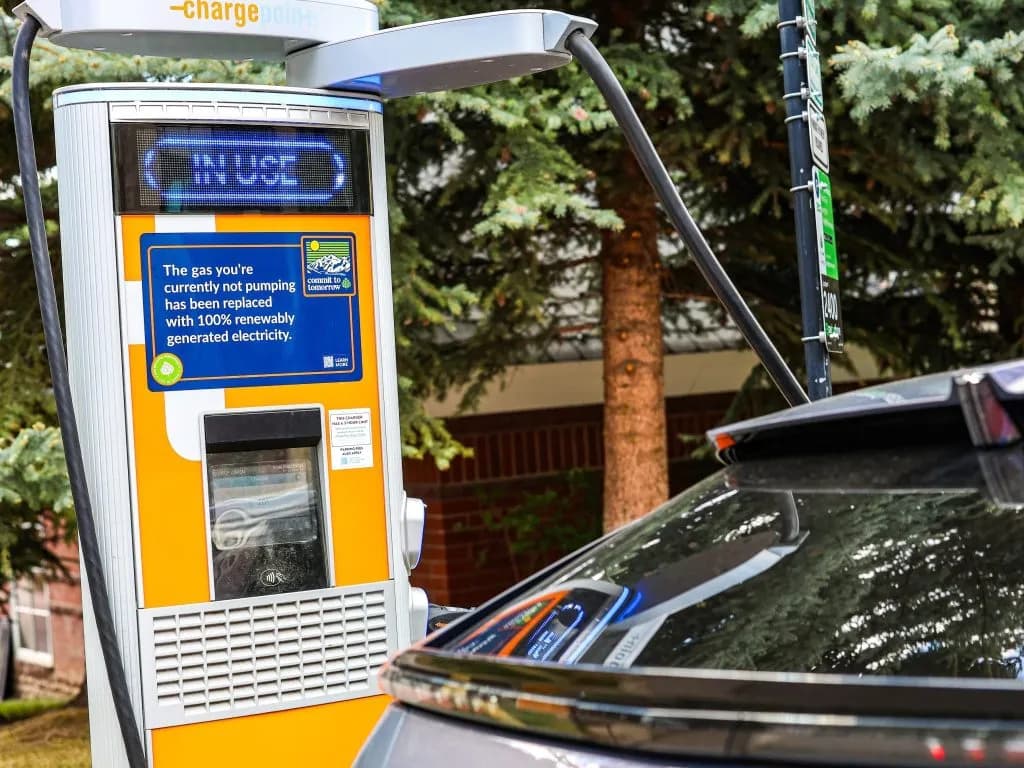
Aspen —Colorado is regulating retail electric vehicle chargers. The rules go into effect July 1. Enforcement waits until 2027.
That’s a three-year gap between the mandate and the stick. The state wants transparency. It wants accuracy. It wants you to know exactly what you’re paying for when you plug in. The Division of Oil and Public Safety is behind this push. Mahesh Albuquerque, the division’s director, calls it a “significant step forward in ensuring consumer protection and marketplace consistency.”
He says drivers need confidence in the infrastructure. Business owners need clear standards. This establishes a “foundation of trust.”
The short version: you will be charged for the electricity you actually use. No more guessing games on the meter. The rules apply to all retail EV charging stations in the state. They exclude free stations. They exclude private residences where there’s no retail transaction. They exclude wholesale electricity delivery.
If you run a charger in Delta, Grand Junction, or anywhere on the Western Slope, you need to register. Existing stations that charge a fee specifically for electricity and were activated before July 1, 2026, must register by Jan. 1. New stations placed in service after that date must register within 30 days of the first day the device is active.
Every retail EV charging device must be installed, tested, and activated by a registered service agent. The test results go straight to the division. New devices installed after July 1, 2026, must submit a Placed in Service Form within 90 days.
The forms are online at OPS.Colorado.Gov/retail-electric-vehicle-charging.
Albuquerque notes that as EV adoption grows, the stakes get higher. Inaccurate charging erodes trust. If a driver thinks they bought 10 kilowatt-hours and got 8, they won’t come back. If a business owner doesn’t know the standard for accuracy, they can’t compete fairly. This regulation tries to lock both sides in.
But look at the timeline. The rules are enacted now. Enforcement doesn’t start until July 1, 2027. That’s a long runway for compliance. It’s also a long runway for confusion. Some operators might register. Some might not. The division isn’t pursuing enforcement measures during that window, so the pressure is on self-regulation.
The goal is simple: charge accurately. But the mechanism is bureaucratic. Registration. Testing. Forms. Paperwork. It’s not just about the plug. It’s about the paperwork behind the plug.
For locals, this means more oversight on the chargers lining our highways and filling stations. It means less ambiguity when the bill comes. It also means more red tape for the folks maintaining those stations. Registered service agents. Specific forms. Deadlines.
Albuquerque says this builds trust. Make no mistake, it’s about stabilizing the market. As more cars roll off the lot, the grid needs to handle the load. But the consumer needs to know the price is real.
The rules don’t change how electricity flows. They change how it’s billed. And they change who checks the work.
If you’re planning a road trip out of town, check the station. Is it registered? Is it accurate? The state is watching. Just not until 2027.
Keep up with Aspen
The day's Western Slope news, one email each morning. Free.
The digital counter on the side of the bus in Carbondale ticks over, but the seats inside are half-empty

Eagle County Launches Aging Well Roadmap To Keep Seniors Housed