Bill Plock rebuilds Colorado’s Ride with 350 riders to spare towns
Cycling organizer Bill Plock transforms Colorado’s Ride into a sustainable, 350-rider event starting in Crested Butte, prioritizing local infrastructure over mass tourism.
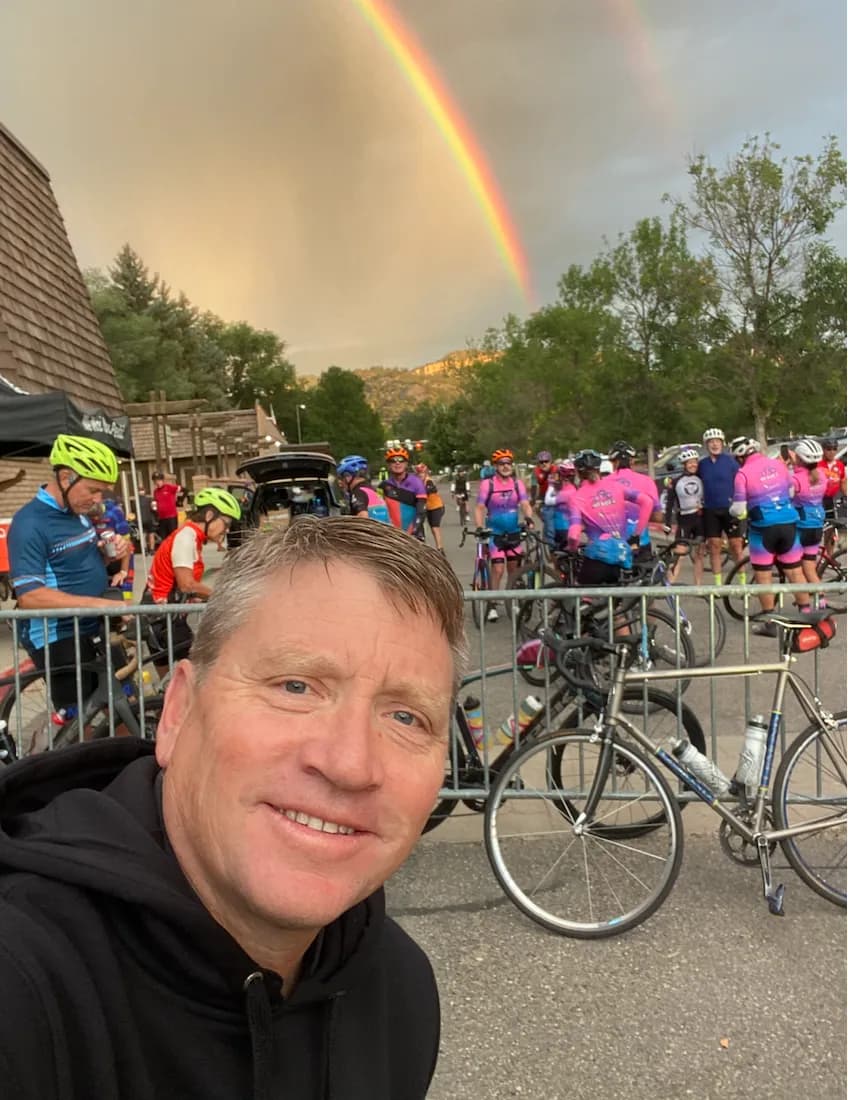
Colorado —“Colorado mountain towns have just gotten overwhelmed, and I don’t feel like they’re into a one-day bike tour coming into town with 2,000 people to take up all these hotels and camping spots,” Bill Plock said.
It’s a simple observation, but it cuts to the heart of why the big race didn’t just shrink — it changed its shape entirely. When the event called it quits in 2024, leaving a void in the high-country cycling calendar, Plock didn’t just fill it. He rebuilt it from the ground up, driven by a desire to stop treating Western Slope towns like parking lots for endurance athletes.
Now in its third edition, Colorado’s Ride is less of a spectacle and more of a neighborhood gathering for serious cyclists. The event starts and ends in Crested Butte, threading through Buena Vista, Salida, and Gunnison from August 9–14. It’s a tight loop. It’s a controlled environment. And it’s intentionally small. Plock caps participation at just 350 riders.
That’s a far cry from the thousands who once flooded the mountains during the peak years of the tour. The difference isn’t just about numbers; it’s about logistics. For years, the old model relied on towns absorbing the shock of 2,000 cyclists arriving simultaneously, grabbing a hotel room for a night, and leaving. It was efficient for the riders, sure, but it was exhausting for the locals managing the overflow.
Plock knows this because he lived it. He wasn’t a professional race organizer when he stepped in as interim director for the flagship event in 2022. He was a freelance writer who had bought into 303 Cycling and 303 Triathlon, media outlets that covered the Front Range endurance scene. He knew the athletes. He knew the media. But he didn’t know how to secure permits from scratch.
“I jumped in with it in April and the ride is in June,” Plock recalled. “When I started, we had zero permits. We only had a route.”
He spent those two months scrambling, meeting with host towns and government agencies, trying to keep the event alive while the ownership shifted to Ventures Endurance Events. It was stressful enough that he watched Ted Lasso repeatedly, emulating the show’s protagonist as a coping mechanism. But that year of chaos taught him what the next iteration needed to avoid.
The result is a ride that respects the communities it passes through. By limiting the field to 350, Plock ensures that the influx of cyclists doesn’t overwhelm local infrastructure. The route is designed to be sustainable, avoiding the logistical nightmares of the past. It’s a shift from volume to value.
This isn’t the first time Plock has tried to get this right. The first three years of Colorado’s Ride took place in Durango and Pagosa Springs, including the grueling climb up Wolf Creek Pass, which tops out at more than 10,800 feet. But the new route through the Gunnison Valley offers a different kind of challenge — one that balances difficulty with accessibility.
For the folks in Buena Vista and Salida, this means fewer traffic jams and more manageable crowds. For the riders, it means a more intimate experience, where the focus is on the climb and the camaraderie rather than the chaos of the pack. It’s a smaller event, yes, but it’s one that’s built to last.
The fourth running of the tour is set for August 9–14, and while the details are still being finalized, the commitment is clear. Plock isn’t just organizing a race; he’s curating an experience that acknowledges the reality of modern mountain life. He’s taking the lessons from the big show and applying them to a smaller, more sustainable package.
And that matters because it changes how we interact with our own backyards. It’s not just about who crosses the finish line first. It’s about whether the town can handle the visitors without losing its mind. In a state where tourism is both a lifeline and a burden, finding that balance is everything.
Picture this: a quiet morning in Gunnison, the air crisp and thin. Thirty cyclists roll through the main street, not as a blocking force of traffic, but as a stream of individuals. They’re tired. They’re focused. They’re not taking up all the hotel rooms in town. They’re just riding.
It’s a different rhythm. It’s a different ride. And for now, it’s working.
Keep up with Colorado
The day's Western Slope news, one email each morning. Free.
NWRM CASA Honors Judge O’Hara and Founders at 15th Anniversary
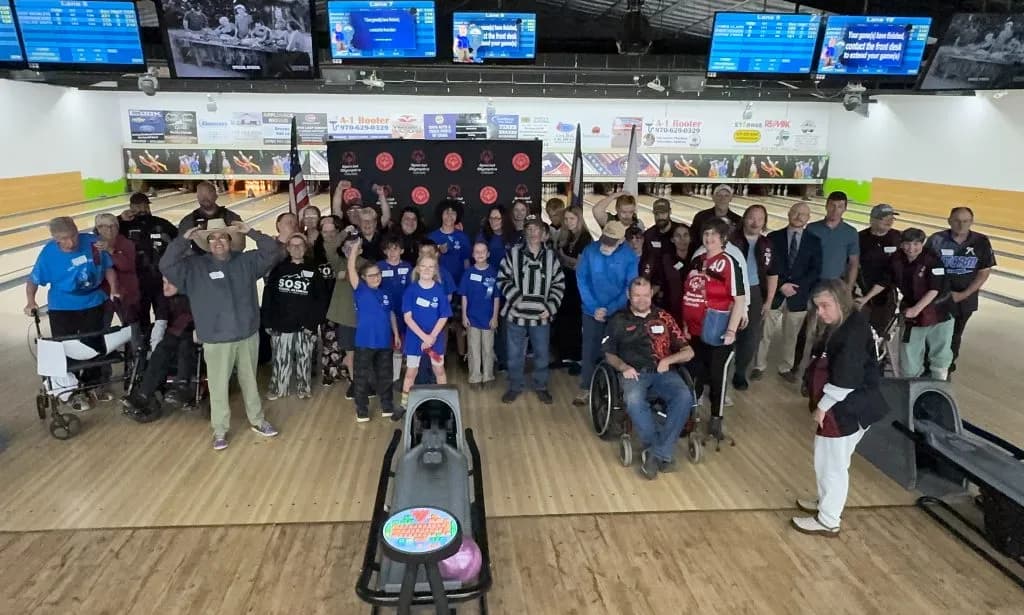
Craig Hosts Only Regional Special Olympics Bowling Competition
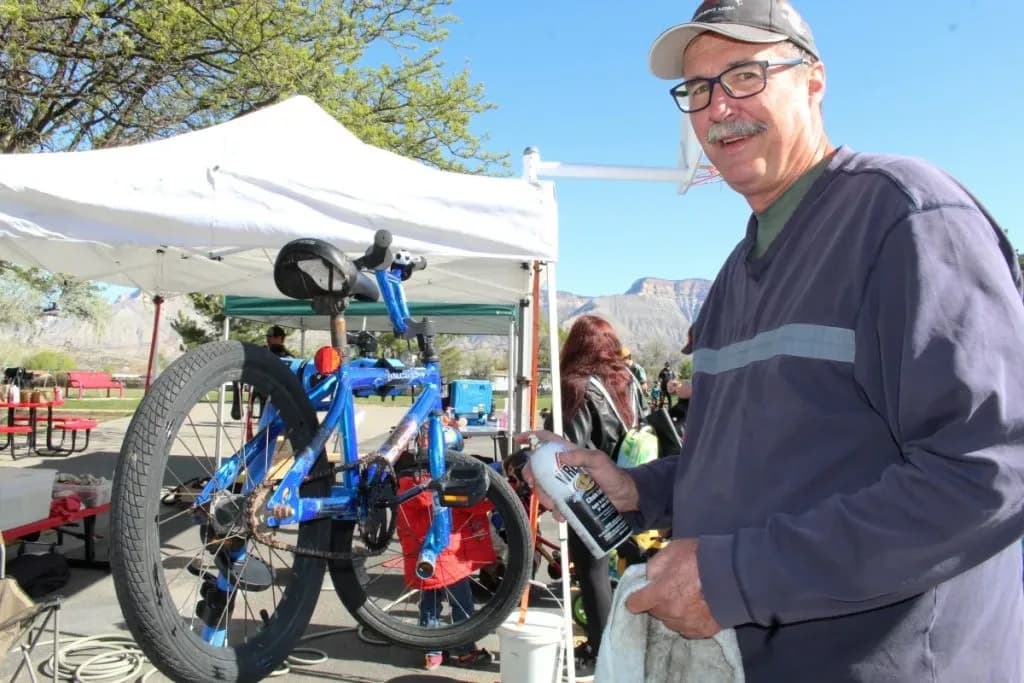
Parachute Bike Clinic Seeks Permanent Home After 66 Free Repairs
Federal Report Sets 200,000 Acre-Foot Water Conservation Target for Upper Basin
Colorado Parks and Wildlife Deploys Precision Drones for Weed Control