San Juan Forest Saves Wood for Life Amid Ferris Fire
San Juan National Forest crews protect small-diameter logs during the Ferris fire, ensuring thousands of Navajo and Hopi families receive essential heat through the Wood for Life program.
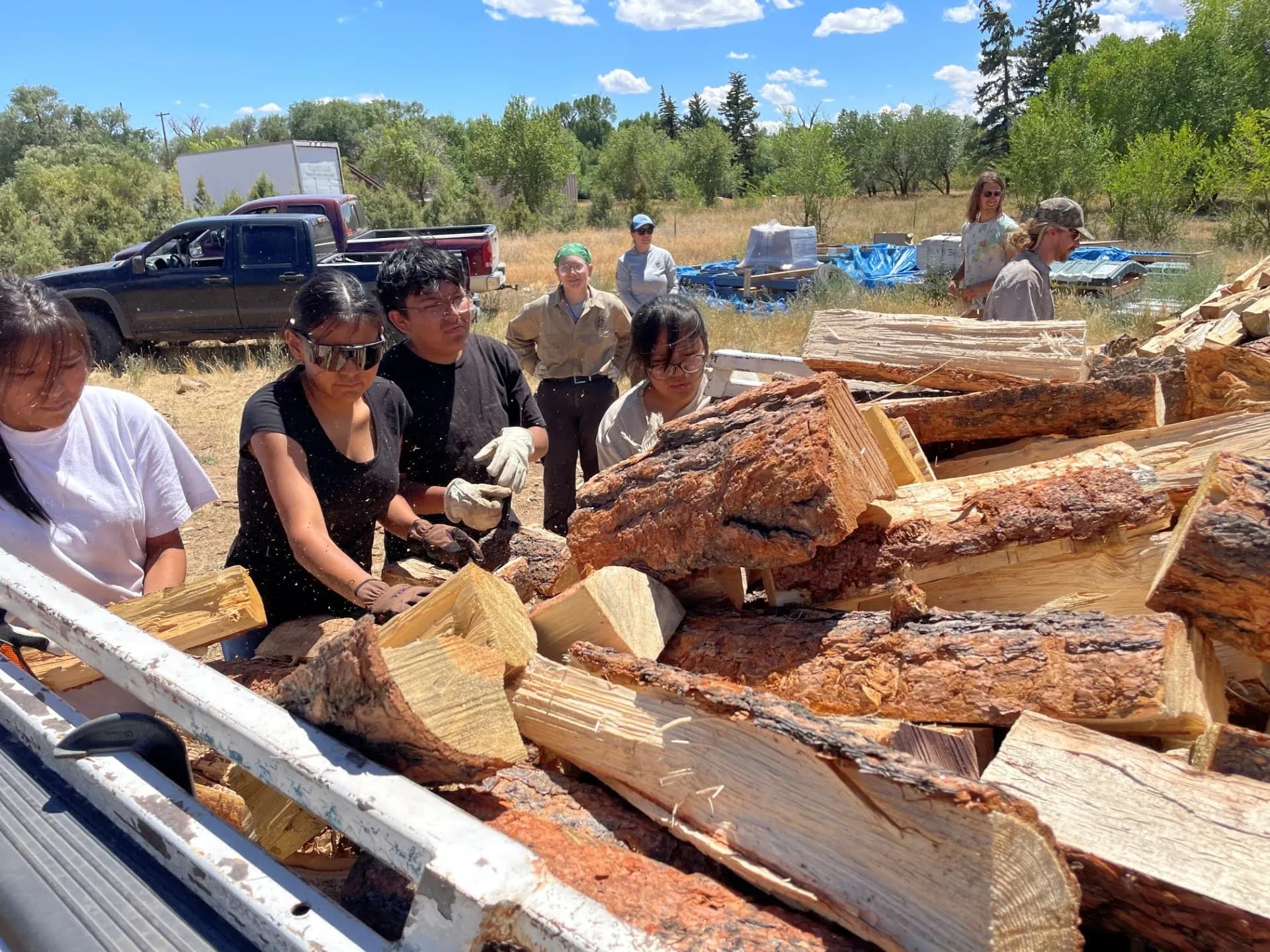
The air in the Glade, just north of Dolores, hung heavy with the scent of pine resin and dry earth. It was mid-July, but the San Juan National Forest felt like late autumn — brittle, quiet, and waiting for a spark. When the Ferris fire finally arrived over the Fourth of July weekend, driven by erratic winds and what officials called the driest summer in memory, firefighters didn’t just rush to hold back the flames. They rushed to save the wood.
It wasn’t water they were protecting. It wasn’t cattle, or even power lines, though those mattered too. The crews with chainsaws and pulaskis were guarding stacks of small-diameter logs, known as decks, earmarked for a program called Wood for Life. To hear them tell it, saving these logs was as critical as saving the forest itself.
The math holds up: without this wood, thousands of tribal members in the Southwest and Four Corners region would be left without heat when winter hit.
For years, Navajo and Hopi communities relied on the Kayenta Coal Mine for free or reduced-cost coal. But when that mine closed in 2019, and the Navajo Generating Station was decommissioned, that fuel source vanished. Tribal members began burning whatever they could find — clothes, furniture, pasture fencing, and sagebrush, to stay warm.
“The small-diameter logs the feds cut are bucked and split and loaded into trucks bound for tribal communities throughout the Southwest and Four Corners region,” according to a spokesperson from the San Juan National Forest, as reported by the Colorado Sun.
This is where forest management meets human necessity. The agency’s thinning operations in the Glade, near Narraguinnep Canyon, foster a diversity of tree ages and sizes, which burns at different rates and keeps fire closer to the ground. But thinning leaves behind huge piles of biomass - trees, brush, grass, and leaves; that become fuel for wildfires.
The solution was to turn that hazard into a resource. Out of these concurrent needs came Wood for Life, a partnership among the Forest Service, the National Forest Foundation, tribes, nongovernmental organizations, and conservation corps.
The program does three things at once. It treats hazardous fuels in the forest, it provides heat for tribal members, and it creates opportunities for young people. Take Tyler Cly, an 18-year-old member of the Navajo Nation. He’s been working with the program since its early days, watching how a “good collaboration of people helping people” can unify cultures and bring relief.
While the Ferris fire raged, crews protected those stacks of logs. They weren’t just saving timber; they were saving a winter lifeline.
Since its inception in 2018 and 2019, Wood for Life has delivered 32,620 cords of wood. That’s not just a statistic for the history books. It represents 32,620 cords of heat for families who might otherwise have to choose between buying expensive propane or burning what they can find.
The question is whether this model will scale as climate conditions shift and forest health remains a priority. To hear the Forest Service tell it, thinning is no longer just about preventing catastrophic fires, it’s about sustaining communities.
Cly puts it simply: “A good collaboration of people helping people” unifies cultures and brings relief. As the flames cleared in the Glade, those decks of wood remained standing, ready for the trucks.
Keep up with the Western Slope
The day's Western Slope news, one email each morning. Free.

El Jebel Grief and Glenwood Road Redesign Spark Community Debate

Aspen Old Gents Fall to Cardinals in Ruggerfest Opener