DraftKings and FanDuel Spend $1.5M Influencing Colorado Politics
An analysis of how $1.5 million from betting giants like DraftKings and FanDuel is flowing into Colorado statehouse primaries to shape sports betting regulation and secure political allies.
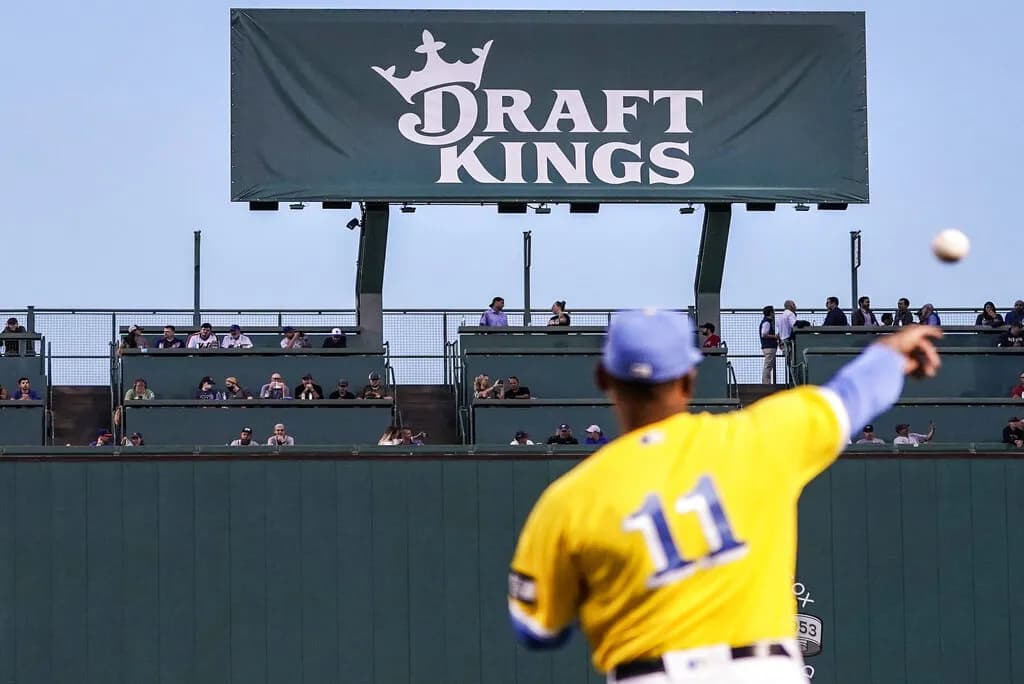
Colorado —Have you ever wondered why the same companies that sell you a parlay on the Broncos also seem to be funding the politicians who decide how that bet gets taxed? It’s a question that sits somewhere between the glow of your phone screen and the heavy ledger of state government. The answer, it turns out, is sitting right there in the $1.5 million flowing into Colorado’s statehouse primaries this year, money that is largely coming from the pockets of DraftKings, FanDuel, and Fanatics.
If you look closely at the political map, the pattern is distinct. The majority of that cash is going to Democratic contests, funneled through a state-level super PAC called American Future. This group has spent roughly $1.25 million on its own, backed by a federal super PAC of the same name that has been drinking from the same well as the betting giants. On the Republican side, the flow is different but no less significant: $250,000 in federal PAC money from those same three companies has moved into the Colorado Conservative Leadership Fund. That money isn’t just helping Republicans win; it’s helping the more mainstream GOP candidates defeat their harder-line opponents.
Why the split strategy? The New York Times reports that these three companies are planning to spend as much as $41 million on state legislative races across the country this year. The goal isn’t just to get their people elected; it’s to limit taxation and regulation. A spokesperson for the coalition told Axios that these organizations seek candidates who will "thoughtfully approach regulation and ensure legal sports betting can continue to support communities through billions in tax revenue and jobs across America." It’s a polite way of saying they want friends in the legislature who won’t cut the cord.
You can feel the weight of that history here. Voters allowed sports betting in Colorado and approved an associated taxation scheme that primarily raises money for water projects by passing ballot measures in the 2019 and 2024 elections. We voted for it. We voted for the revenue. But now, the house is buying its way into the room where the rules are written.
This year, the state legislature passed Senate Bill 131, a measure that prohibited online sportsbooks from sending push notifications or text messages encouraging bets, banned the use of credit cards to fund accounts, and limited bettors to six deposits per day. It also stopped sportsbooks from targeting people under age 21 with advertising and required operators to share betting data with the state. It was a tightening of the reins. Yet, the money American Future is spending on Democratic primaries doesn’t appear to be a direct response to that new law. The dollars are being spent primarily on open contests, where there is no incumbent, suggesting a long-game strategy rather than a reaction to immediate legislative threats.
There’s a warmth to the idea that our tax dollars from these bets are funding water projects, a tangible benefit for a state that lives and dies by its irrigation. But if you look closely at the flow of funds, you see that the entities collecting that revenue are also paying for the political insurance policy that keeps the collection going. It’s not just about who wins a primary; it’s about who decides what "fair regulation" looks like when the next ballot measure comes around. The smell of fresh ink on the campaign flyers mixes with the digital ping of a notification on your phone, reminding you that the game is always on, and the players are always watching.
Keep up with Colorado
The day's Western Slope news, one email each morning. Free.


Federal Report Sets 200,000 Acre-Foot Water Conservation Target for Upper Basin
Colorado Parks and Wildlife Deploys Precision Drones for Weed Control