Colorado Wolf Population Hits 32 at Critical Inflection Point
Colorado Parks and Wildlife reports 32 wolves as the state faces a critical inflection point; survival rates determine if the population expands or stalls.
Aspen —“‘We’re very much at an inflection point.’”
Eric Odell didn’t mince words when he told the Colorado Parks and Wildlife commission that. The wolf conservation program manager laid it out plain: the state’s gray wolf population is either going to take off or stall out. There is no middle ground.
With high survival rates and strong pup recruitment, the pack could expand in both size and distribution. That moves the needle toward recovery goals. But Odell warned that a single year of lower survival, high mortality, or low recruitment changes everything. It pushes the timeline back. It means more years of waiting, watching, and spending.
The short version? We are at a crossroads.
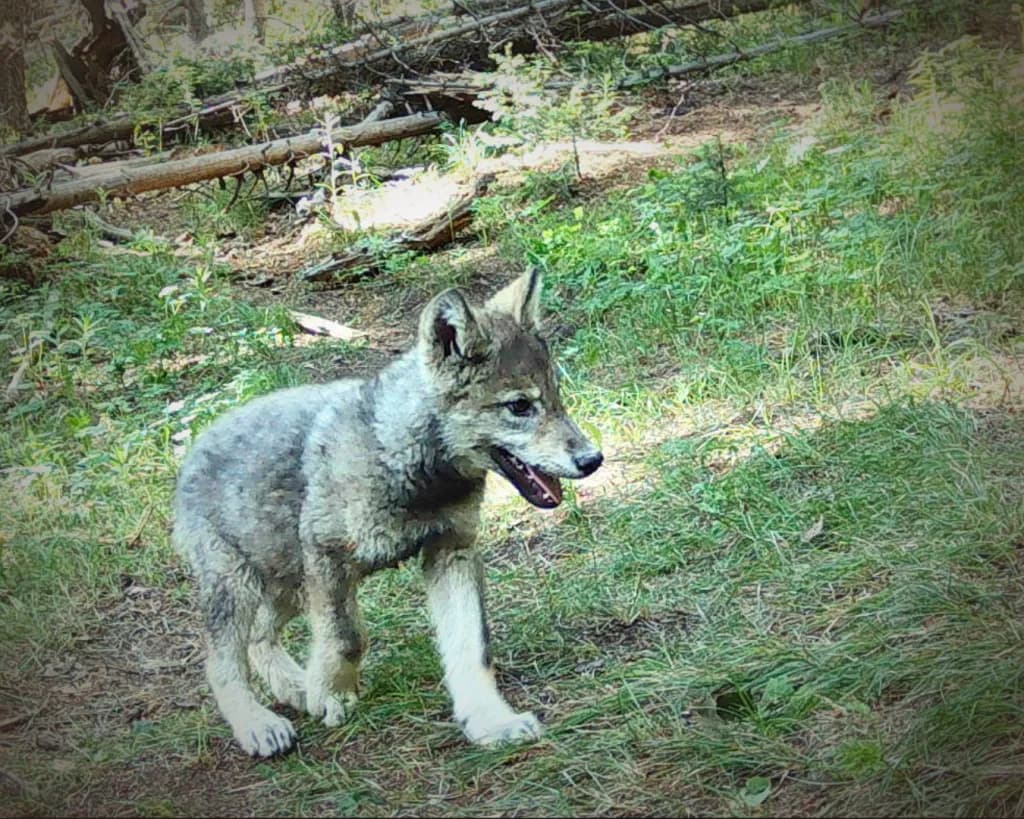
Colorado is home to at least 32 wolves right now. That number comes from the agency’s third annual wolf report, covering the period from April 1, 2025, through March 31, 2026. It’s a count that includes births, deaths, and the second wave of reintroduced animals.
The effort started in December 2023. Ten wolves went into Grand and Summit counties. That was the voter-mandated restoration of the apex predator. Nearly two and a half years later, the population has grown. But it’s fragile.
The report breaks down the numbers by pack. It’s not just a total count; it’s a map of who is holding the line and who is struggling.
The Copper Creek pack in Pitkin County is stable. Two pups. Four adults. Two of those adults are breeding. The other two were born to the pack in 2024. They are holding territory.
The King Mountain pack in southern Routt and Eagle counties is in trouble. Four pups. But the two breeding adults died this year. Zero adults left. If those pups don’t mature quickly or if new wolves don’t move in, that pack disappears. It becomes just a nursery, not a breeding unit.
The One Ear pack in Jackson County is doing well. Five pups. Four adults. That’s a healthy ratio.
The Three Creeks pack in Rio Blanco County is smaller. Three pups. Two adults.
And then there are the nomads. Seven collared adults and one uncollared adult are living outside the established packs. They are the wild cards. They might join a pack. They might start their own. They might get hit by a car or shot by a rancher.
The agency’s goal is a self-sustaining population. The Wolf Restoration and Management Plan doesn’t give a specific number for that. It just says the program needs to release 30 to 50 wolves in the first three to five years. We are past that window. We are at year three. The question is whether the population can feed itself now.
Odell said hitting that milestone relies on survival rates, reproduction, and future reintroduction opportunities. It’s a delicate balance.
Here is what the official statement didn’t say: The agency didn’t release a third group of wolves this winter. They planned to. They changed direction after the U.S. Fish and Wildlife Service shifted where Colorado could source the animals. That delay matters. It means fewer reinforcements if the current packs falter.
The minimum count of 32 wolves is based on winter surveys. It includes 18 adults and 14 pups born to Colorado’s four packs in the spring of 2025. That’s a lot of mouths to feed. It’s also a lot of potential conflict.
Locals in Pitkin, Rio Blanco, and Jackson counties are watching. They see the wolves. They see the collars. They wonder if the "inflection point" Odell mentioned means more wolves on their land or fewer.
The data shows growth. But growth is not guaranteed. One bad winter. One disease outbreak. One change in federal sourcing rules. That’s all it takes to reset the clock.
Odell’s warning hangs over the Western Slope. The wolves are here. They are breeding. But they are not secure yet. The population could expand. Or it could contract. The choice, for now, is up to nature and luck.
Read that again. The future of Colorado’s gray wolves depends on a single year of survival rates. That’s a risky bet for a state that spent millions to get them here.
Keep up with Aspen
The day's Western Slope news, one email each morning. Free.