Colorado Wolf Population Stalls at 32 as Program Manager Retires
Colorado's wolf population sits at just 32 animals, far below the 150 needed for self-sustaining status, as program manager Eric Odell prepares to retire amid uncertain reintroduction timelines.
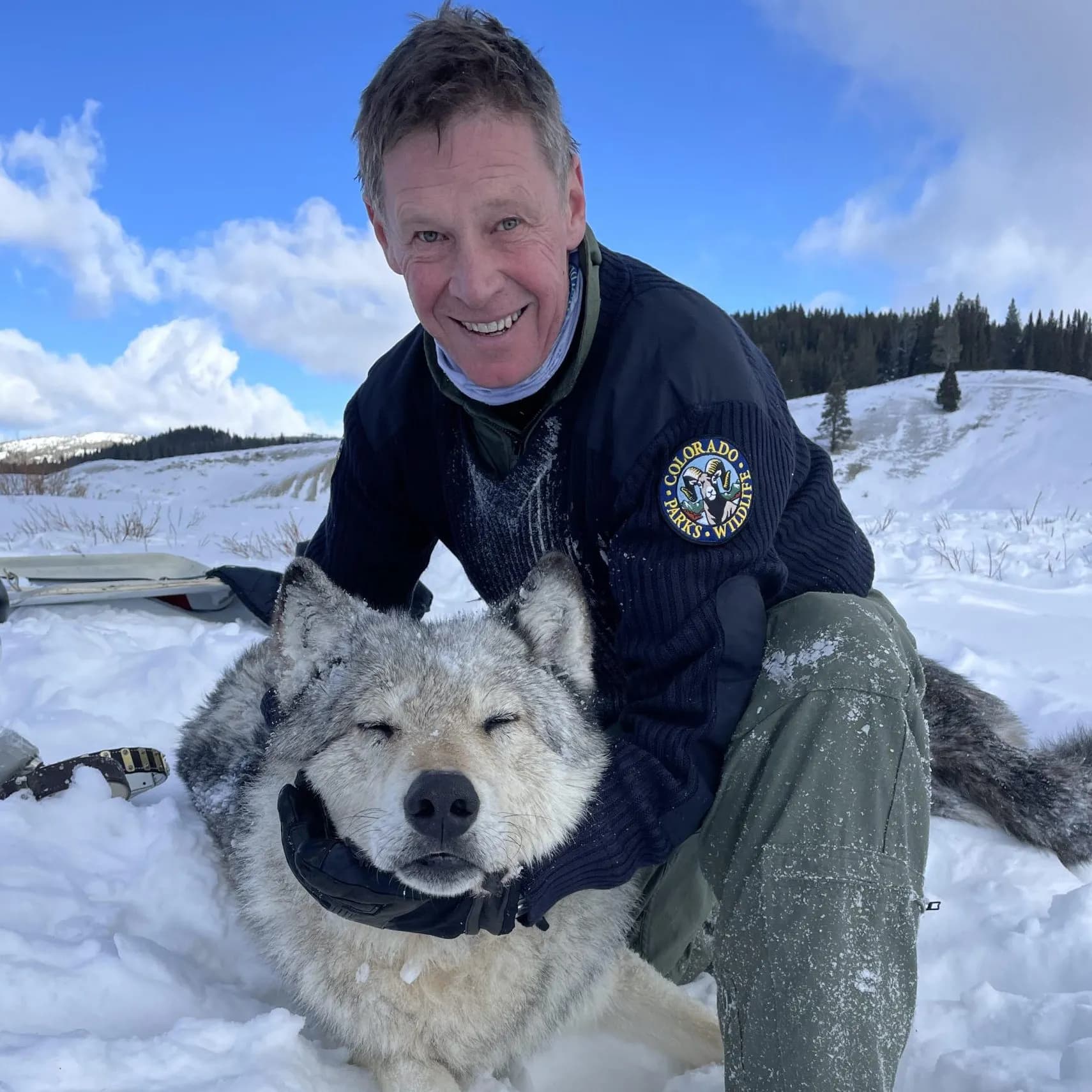
Colorado —“Just 18 reintroduced adult wolves are alive and 14 pups.”
That’s the entire herd. That is the total population of wolves currently roaming Colorado’s high country, according to the third annual report from Colorado Parks and Wildlife (CPW). For context, the management plan defines a self-sustaining population as roughly 150 to 200 wolves. We are currently at about 10% of the lower bound.
Eric Odell, the program manager who has herded this effort since voters mandated reintroduction in 2020, told the commission Thursday that he cannot provide a definitive timeline for when wolves will actually become a permanent fixture in the state. He is retiring in July. The job is closed. They are interviewing applicants.
Odell called the current situation an “inflection point.” That is bureaucratic code for: we are stuck, and we don’t know how to move forward without more luck or more money.
The numbers released Thursday are grim, even if officials insist they aren’t surprising. Of the initial cohort captured in Oregon and British Columbia and released onto the Western Slope, only 18 adults remain. Fourteen pups are alive. Odell noted that pup survival seemed “relatively high” in the last biological year, which is the only bright spot in a dataset that otherwise looks like a slow bleed.
But here is the catch. The U.S. Fish and Wildlife Service banned CPW from bringing in new wolves in October until the agency could account for every single animal already here. CPW met that deadline. Director Laura Clellan says they are “continuing to work with Fish and Wildlife.” But the logistical reality is that 15 wolves scheduled for translocation from British Columbia in January didn’t show up. That leaves all future relocations this year uncertain.
Let’s do the math on what that means for locals. The goal was to release 30 to 50 wolves over a three-to-five-year period. We have roughly 32 wolves total in the field right now. If the next batch doesn’t arrive, or if mortality spikes next winter, we are looking at years of stagnation rather than recovery.
Odell laid out the variables that will determine whether we hit the 150-wolf mark or stay stuck in this precarious limbo. Survival rates. Reproduction. Wolf-pup survival. And, crucially, reintroduction opportunities. If any of those variables dip, additional years of reintroduction are necessary. If they hold steady, the population could expand in size and distribution.
The report highlights a stark contrast between the ambitious mandate voters signed off on and the biological reality on the ground. We have a management plan with specific targets. We have a program leader who admits he can’t predict when those targets will be met. And we have a population that is barely a fraction of what is required to be considered “self-sustaining.”
For the folks living along the highways and in the valleys where these wolves are being tracked, the uncertainty is the only constant. The wolves are here. They are few. They are vulnerable. And the timeline for them to become a stable, predictable part of the ecosystem is currently undefined.
Odell’s departure marks the end of the first phase of this experiment. The next phase — whatever it turns out to be — will be led by whoever gets hired to replace him. Until then, the 32 wolves in the field are all we have to show for the last several years of effort, funding, and regulatory oversight.
Keep up with Colorado
The day's Western Slope news, one email each morning. Free.

Federal Report Sets 200,000 Acre-Foot Water Conservation Target for Upper Basin
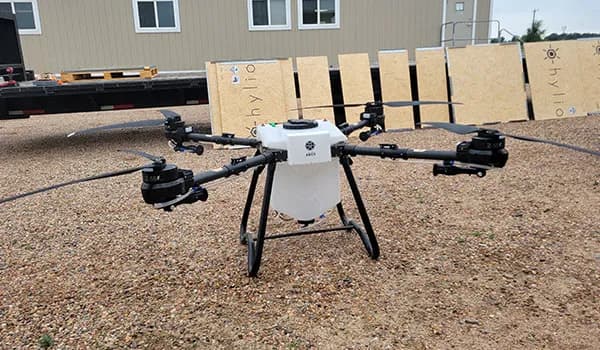
Colorado Parks and Wildlife Deploys Precision Drones for Weed Control