Colorado's 116,000 Job Seekers Quietly Drop From Labor Force
Colorado’s labor force has shrunk by 95,000 people in two years. State data reveals a sharp rise in workers who want jobs but have stopped looking, complicating the state’s economic outlook.
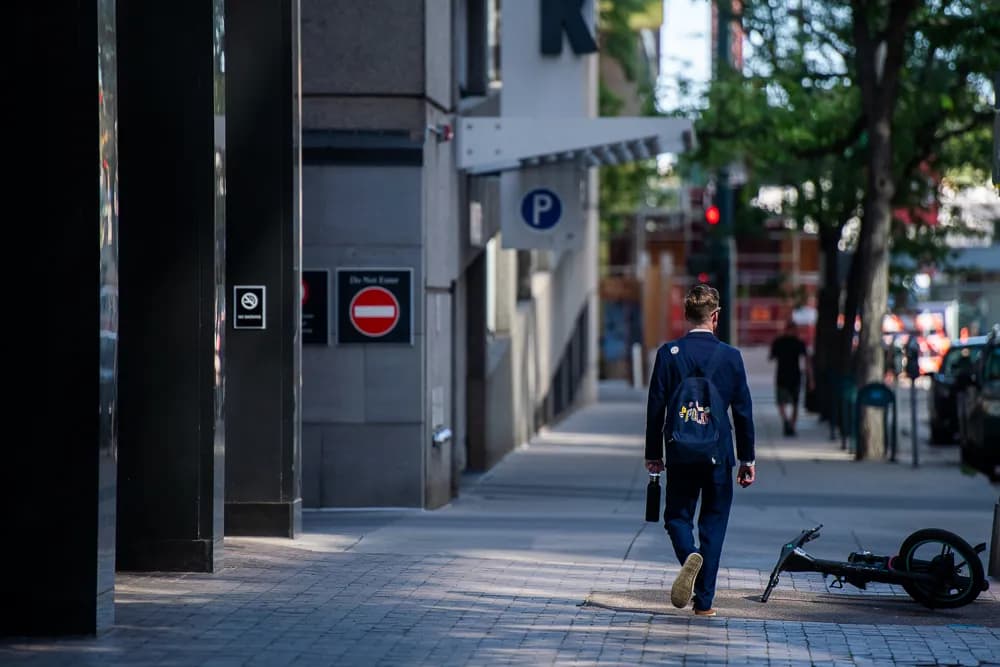
The wind off the Rockies picks up speed as it funnels through the narrow corridors of downtown Fort Collins, whipping past the glass storefronts on Martin Luther King Jr. Boulevard and rattling the window frames of quiet offices where the hum of HVAC systems is the only sound. It’s a crisp October morning, the kind that makes the air taste sharp and clean, but inside those offices, a different kind of stagnation is settling in. The state’s labor force has shrunk again, and while the initial headlines pointed to an aging population and slowing growth, a quieter, more complex shift is happening beneath the surface of the monthly data.
According to reporting by the Colorado Sun, the decline isn’t just about people retiring; it’s about a growing cohort of Coloradans who have stepped away from the workforce but are still looking for their way back in. Tim Wonhof, director of the state’s Office of Labor Market Information, tracks this specific segment with a cautionary note about sample sizes. He estimates that 116,300 people have left the labor force but want a job right now. That number has climbed sharply from 78,800 just four years ago. It represents about 10% of those currently outside the labor force, a slice of the community that has been largely invisible in standard monthly reports.
Wonhof noted in an email to the paper that while most individuals outside the labor force do not want a job, recent data shows a distinct rise in non-participants who express a desire to work. The demographics tell a story of life stages and friction. About 62% of those no longer in the labor market are age 55 and older, a group likely defined by retirement, though it could also be a mix of discouragement or health challenges. But the more volatile number is in the younger and middle-aged brackets. The group Wonhof calls “marginally attached to the labor force” has more than doubled since 2022. This group now numbers around 33,000 people, up from 14,000 four years ago. These are individuals who want and would accept a job but aren’t actively seeking work due to family obligations, education, or personal health.
If you look closely at the charts provided by the Department of Labor and Employment, you can see the shift in motivation. In 2026, only 3.1% of those no longer in the labor force said they stopped looking because of dismal prospects, represented by pink bars in the data. A much larger and growing number, at 25.2%, stopped looking for reasons unrelated to discouragement. This is the light blue bar, and it is rising faster than any other category in the state’s employment landscape.
For neighbors here on the Western Slope, this isn’t just abstract statistics. It’s the neighbor who left a tech job in Denver to care for an aging parent, or the graduate student in Grand Junction who paused their career search to finish a degree. The state’s overall labor force still stands at 3.18 million people, with a participation rate of 65.2%, which remains much higher than the U.S. average of 61.8%. But that labor force has shrunk by about 95,000 people in two years. The drop in "involuntary part-time workers" suggests that those who stayed are getting more hours, but the marginally attached group is a reservoir of talent and labor that isn’t being tapped because they aren’t technically "looking."
There’s a warmth to the idea that these people are still connected, still willing, just paused. But it also highlights a structural gap in how we measure economic health. We count the employed and the unemployed, but we often ignore the paused. As the state grapples with a shrinking labor pool, the 33,000 people who are ready to work but not looking might be the key to understanding where the economy is actually heading. The wind still howls off the mountains, but inside the labor market, something is quietly shifting gears.
Keep up with the Western Slope
The day's Western Slope news, one email each morning. Free.