Vail Lodges Brace for Slower Winter Despite Strong Fall
Colorado mountain lodges anticipate a sluggish winter despite strong fall numbers. Rising gas, airfare, and mortgage costs have dropped consumer confidence to a 12-year low.
Aspen —The wind off the Flatirons has that sharp, dry bite that signals the transition, stripping the cottonwoods down to skeletal branches while the sky above Vail remains a pale, washed-out blue. It is early autumn on the Western Slope, a time when the light hits the mountain face with a clarity that usually draws crowds, yet the lobby of a typical ski-town lodge might feel quieter than it should for this time of year. The strong finish to the summer season, driven by bargain-hunting visitors who stretched their dollars into September and October, has hit a wall as the calendar turns toward the holidays.
According to reporting from the Vail Daily, Colorado’s mountain lodging properties are bracing for a slower winter despite that robust fall performance. Tom Foley, director of business intelligence for Inntopia, noted that while consumers were eager to capture value during the cooler months, a distinct shift in behavior is now visible. Travelers are no longer looking ahead to the peak ski season with the same confidence; instead, they are weighing economic uncertainty against the memory of a winter that offered limited snow.
The pressure is coming from multiple directions simultaneously, creating a squeeze on household budgets that ripples all the way up to the mountain towns. As of last Friday, gas prices across most Western Slope counties were sitting above $4.70 per gallon. That local reality is compounded by national trends: surging jet fuel costs have driven airfares up by more than 22% compared to last year, according to the U.S. Bureau of Labor Statistics. For those driving in from Denver or further afield, the cost of getting to the valley is climbing. Meanwhile, average 30-year mortgage rates rose above 7% in September, adding hundreds of dollars to monthly bills for homeowners who might otherwise be planning a vacation.
Foley pointed out that these factors have conspired to pop consumer confidence down to a level not seen since 2014. “Getting a one- or two-year low is one thing,” he said in the Vail Daily. “Getting a 12-year low, going back to the tail end of the Great Recession, considering what we’ve gone through since then, is surprising.”
The data from the fall paints a picture of a market that worked only because it was cheap. For September, occupancy for Colorado properties was up 6.8% year over year, and average daily rates rose by a notable 7.7%. Together, those figures delivered a 15% gain in revenue for the month, according to a DestiMetrics monthly market briefing report from Inntopia. Foley described it as people hunting for value, booking September because it offered the feel of summer without the price tag. Across the full season from May through October, occupancy was up 2.2% and daily rates increased by roughly 4%, leading to an approximately 6% gain in revenues for the state’s mountain resorts.
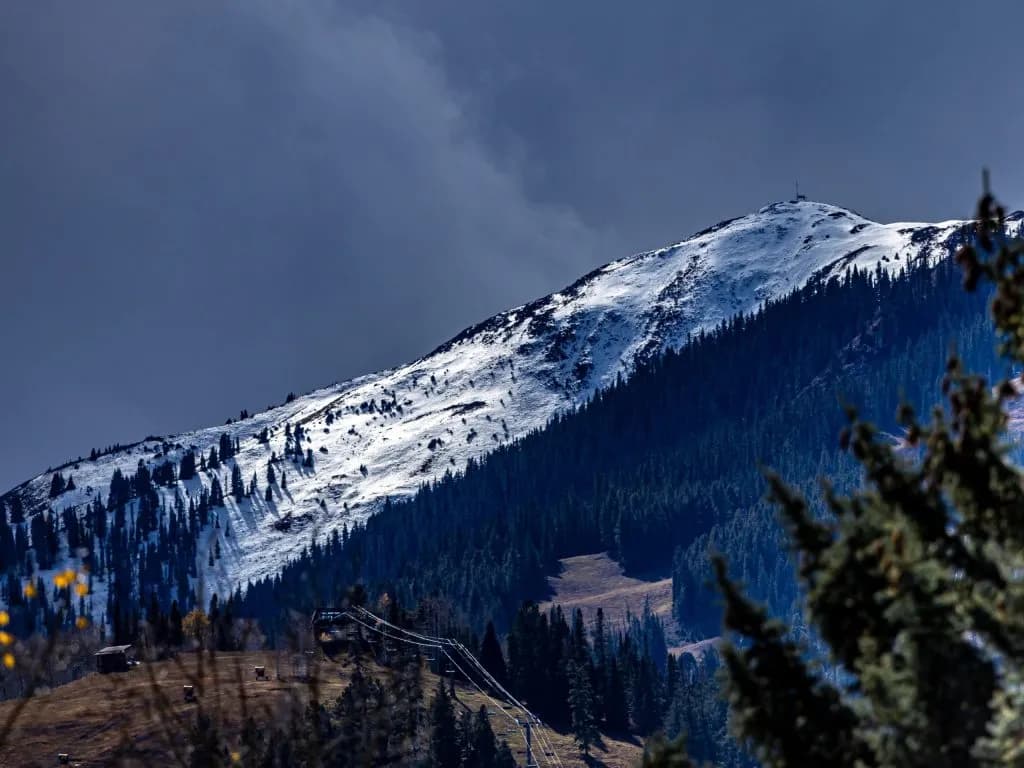
But that active streak has tapered off as winter approaches. The economic pressures that made fall a bargain haven’t disappeared; they’ve just shifted the hesitation from "is it too expensive?" to "will there even be snow, and can I afford the trip if I have to wait until spring?" For folks around here, who rely on that winter influx to keep the lights on and the shelves stocked, the silence in the booking systems is a loud warning. The mountain stands ready, its slopes white-capped and waiting, but the economic headwinds are making it harder for travelers to take off.
Keep up with Aspen
The day's Western Slope news, one email each morning. Free.